The Intersection of Music and Psychology
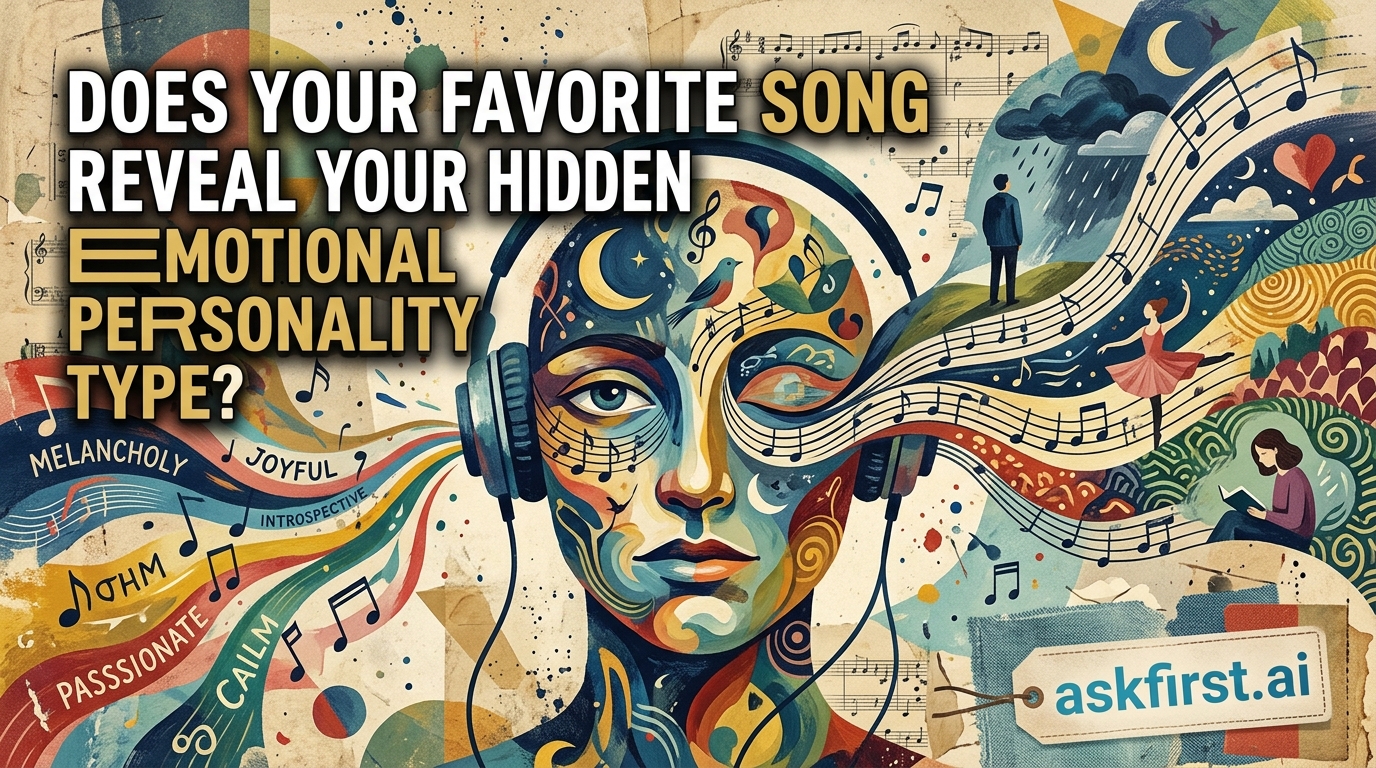
Music is far more than a collection of auditory frequencies; it serves as a sophisticated mirror reflecting the subconscious architecture of the human mind. The theory that musical preference acts as a proxy for personality traits has been a focal point of psychological research for decades. When a person gravitates toward a specific melody or lyrical theme, they are often unconsciously selecting a sonic environment that validates their internal emotional landscape. This phenomenon is rooted in the way the brain processes emotional stimuli and seeks 'affective matching,' where the external stimulus reinforces the individual's existing state.
The OCEAN Model and Musical Taste
Psychologists frequently utilize the Five-Factor Model, or the OCEAN model (Openness, Conscientiousness, Extraversion, Agreeableness, Neuroticism), to categorize human behavior. Research conducted by Dr. Peter Rentfrow and other prominent psychologists has identified clear links between these traits and genre preferences:
- Openness to Experience: Individuals high in openness typically gravitate toward complex, intricate, or unconventional music, such as jazz, classical, or experimental rock. These listeners find stimulation in nuance and structural innovation.
- Extraversion: Those scoring high in extraversion often prefer high-energy, rhythmic, or socially stimulating music. Pop, electronic dance music (EDM), and upbeat anthems serve to heighten their already high baseline of emotional stimulation.
- Agreeableness: Empathetic and cooperative individuals often choose acoustic, melodic, or soft pop music. The preference here is for lyrical content that emphasizes social harmony, love, and emotional connection.
- Neuroticism: While often misunderstood, this trait is linked to a preference for music that provides emotional catharsis. It is not necessarily about negativity; rather, it is about finding a space where complex, intense emotions are processed safely through song.
The Science of Cognitive Empathizing
One of the most compelling frameworks is the Empathizing-Systemizing (E-S) theory. This theory posits that listeners fall into two broad categories: Empathizers and Systemizers. Empathizers focus on the emotional depth of a song—the narrative of heartbreak, joy, or longing. They often prefer low-arousal, mellow, and intimate music. Conversely, Systemizers focus on the technical mastery of the piece, looking for complex instrumentation, mathematical rhythm structures, and instrumental brilliance. This distinction reveals that one's preference is often a reflection of how the brain prefers to organize information—either through emotional narrative or technical data.
Why We Bond with Anthems
Beyond basic personality traits, favorites often function as 'identity anchors.' During formative years, particularly adolescence, the brain undergoes significant development where neural pathways solidify personal preferences. A song listened to during this period often becomes hardwired into the neural representation of the self. Therefore, the favorite song becomes a relic of an emotional snapshot, signaling how the individual learned to soothe themselves, celebrate, or express vulnerability. This 'reminiscence bump' explains why an individual might maintain a favorite song for decades—it remains a primary tool for emotional regulation.
Myths About Genre Bias
Common misconceptions suggest that heavy metal or intense genres indicate aggression. Contemporary data, however, indicates the opposite. Research published in the Journal of Personality and Social Psychology suggests that fans of high-intensity music are often among the most sensitive and thoughtful listeners, using the music as a release valve for stress rather than a source of aggression. The 'hidden' personality revealed is often one of high intellectual curiosity and a need for high-stimulation environments to counteract boredom or emotional numbness.
Practical Applications and Self-Awareness
Understanding the link between musical choice and emotional personality offers significant benefits for self-development:
- Emotional Regulation: If an individual realizes their favorite genre encourages a specific mood, they can intentionally diversify their playlist to shift their physiological state, such as moving from high-tempo music to lo-fi or classical to manage anxiety.
- Social Connection: Musical taste serves as a powerful social lubricant. By understanding that musical preferences are tied to personality traits, individuals can better empathize with others who share or differ in their tastes, fostering more profound interpersonal communication.
- Creative Alignment: Identifying the 'why' behind a favorite song can unlock insights into personal creative drivers. Whether one seeks order, complexity, or emotional resonance, those patterns often mirror how one approaches work, relationships, and problem-solving in real-life scenarios.
Conclusion: The Soundtrack of the Self
Ultimately, a favorite song is not a coincidence; it is a manifestation of the brain's preference for certain patterns of emotional and structural input. By analyzing the 'why' behind one's favorite anthem, one gains access to a deeper level of self-awareness. Music serves as an indelible map of the subconscious, documenting the history of human feeling and the unique ways in which every individual processes the complexities of life.