The Psychology of Parasocial Relationships
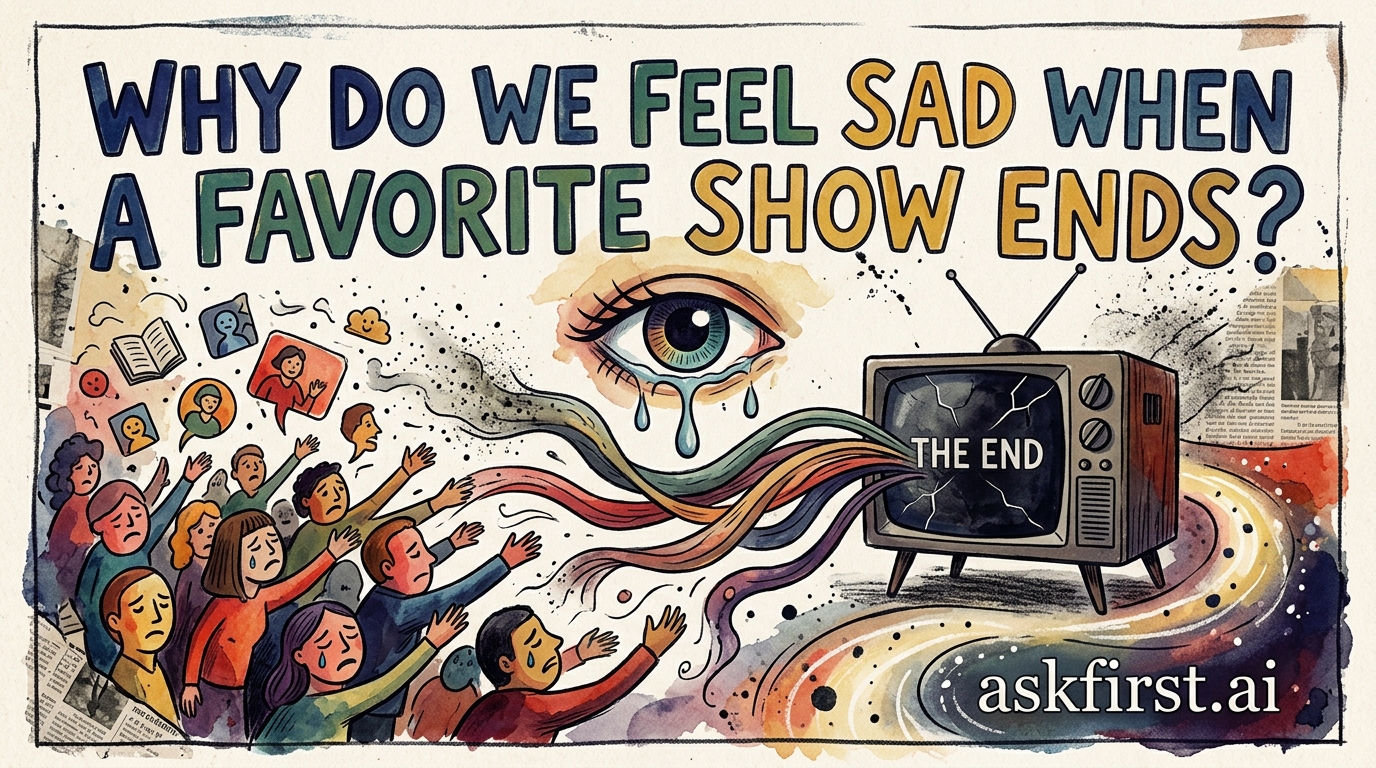
When a beloved television series concludes, many viewers experience a profound sense of loss often described as 'post-series depression.' This phenomenon is rooted in the complex mechanisms of parasocial relationships. These are one-sided emotional attachments formed between an audience and fictional characters or public figures. Although the viewer knows the interaction is mediated, the human brain often struggles to distinguish between the emotional reward of real-life social connection and the simulated camaraderie found on screen.
The Neurochemistry of Attachment
- Dopamine Release: Engaging with an engrossing narrative triggers the release of dopamine, the neurotransmitter associated with reward and motivation. Watching a character grow, overcome adversity, or succeed provides a consistent, reliable reward loop. When the show ends, this steady supply of dopamine is abruptly severed, leading to a biological 'crash' similar to withdrawal.
- Oxytocin and Bonding: Research suggests that long-term consumption of narrative media can stimulate the production of oxytocin. This 'bonding hormone' fosters feelings of empathy and intimacy. The brain registers the time spent with characters as time spent with social peers, meaning the end of the show feels like the physical departure of friends from one's social circle.
The Role of Narrative Transportation
Narrative transportation is a psychological state where an individual becomes completely immersed in a story, losing track of their immediate surroundings. When a show effectively transports the viewer, the boundary between the self and the character blurs. As the narrative reaches its conclusion, the viewer loses a secondary world—a psychological refuge where they explored different life paths and emotional landscapes. This is not merely the end of a program; it is the closure of a significant 'mental experience' that helped regulate mood and identity.
Why Endings Trigger Grief
- Loss of Routine: Humans are creatures of habit. A show provides a consistent structure to the week, turning passive consumption into a lifestyle component. The cessation of this routine creates a vacuum that triggers anxiety and restlessness.
- Identity Integration: Characters often serve as mirrors for personal development. By identifying with their moral struggles or triumphs, viewers incorporate aspects of these characters into their own self-concept. Watching their story end can subconsciously feel like a closing chapter in one’s own developmental arc.
- The 'Serial' Effect: Unlike a two-hour movie, series provide months or years of character development. This temporal investment creates a perceived longevity in the relationship, making the finality of the finale far more impactful than a shorter narrative.
Coping Strategies for the Narrative Void
Understanding the science behind this emotion is the first step toward mitigation. Experts recommend several strategies to ease the transition after a show concludes:
- Engage in Creative Output: Channeling emotional energy into creative endeavors, such as fan art, discussions, or writing, helps process the narrative experience rather than letting it sit as a loss.
- Diversify Social Inputs: Reconnecting with real-world social groups reminds the brain of the physical support structures that exist independently of media consumption.
- The 'Bridge' Technique: Watching a series that shares a similar tone, aesthetic, or cast member can act as a psychological buffer, preventing a total cold-turkey experience that worsens feelings of sadness.
The Evolutionary Perspective
From an evolutionary standpoint, humans are hardwired to value social alliances. Our ancestors relied on group cohesion for survival, and the ability to empathize with others—even characters in a fable—was a critical social skill. While we no longer need these stories to track tribal alliances, our brains haven't caught up to the technological reality of digital fiction. We treat characters as 'social information,' and when that information stops flowing, we process it as a genuine, albeit minor, social bereavement. Ultimately, the sadness felt after a show ends is a testament to the power of storytelling to enrich the human experience, proving that our capacity for connection is far-reaching and deeply deeply resilient.