The Science and Psychology of Dreaming
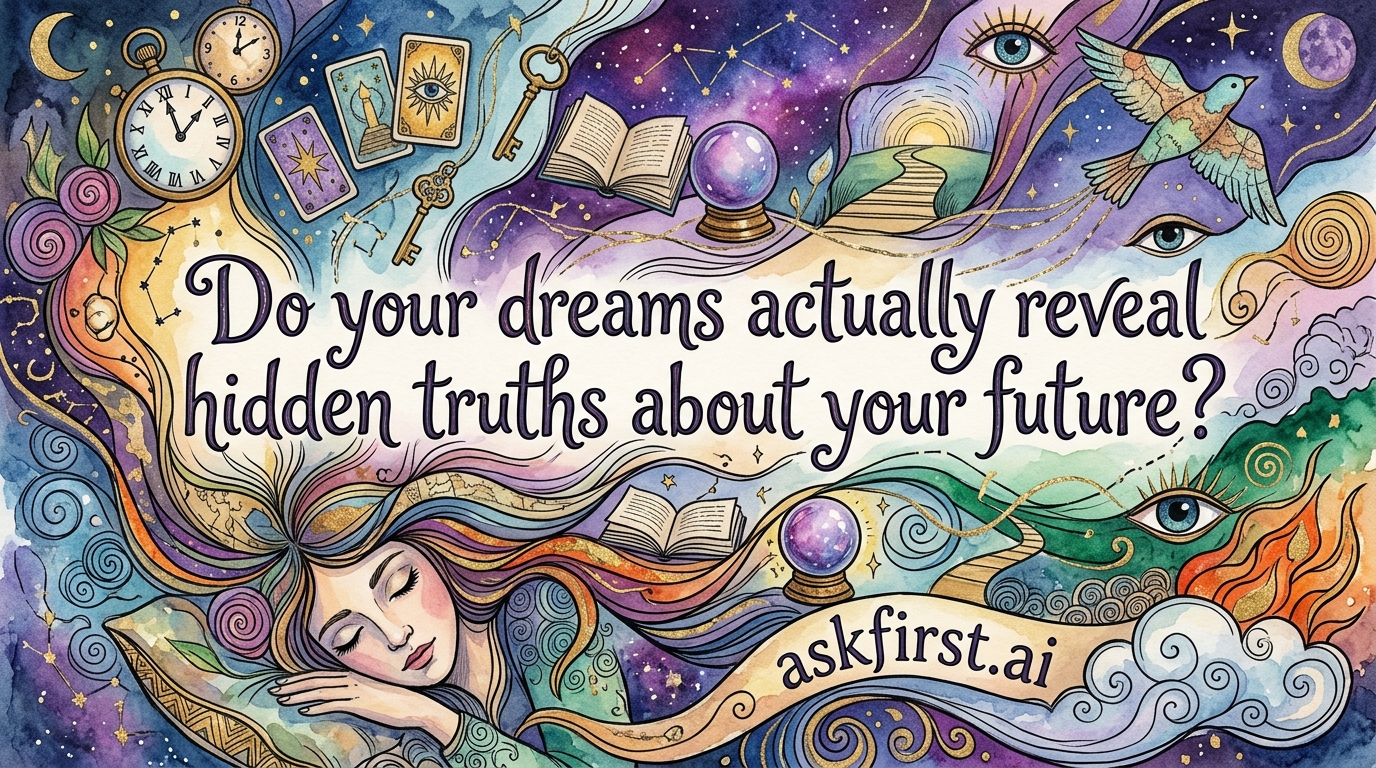
The phenomenon of dreaming has captivated the human imagination for millennia, serving as a primary source of folklore, prophecy, and artistic inspiration. While many cultures historically interpreted dreams as messages from the divine or glimpses into the future, modern scientific research offers a more complex, psychologically grounded explanation. Dreams are not literal windows into the future, but rather intricate cognitive processes involving memory consolidation, emotional regulation, and symbolic narrative construction.
The Mechanics of Memory Consolidation
One of the most widely accepted scientific theories regarding the purpose of dreaming is the Memory Consolidation Hypothesis. During the Rapid Eye Movement (REM) stage of sleep, the brain is highly active, performing a task akin to digital filing. The hippocampus interacts with the neocortex, replaying events, information, and emotions from the waking day. By reorganizing this data, the brain strengthens neural pathways and discards irrelevant information. When an individual perceives a dream as 'predicting' an event, it is often a result of 'thin-slicing'—the brain identifying subtle patterns and trends observed during the day that the conscious mind overlooked. This is not foresight; it is advanced pattern recognition.
Psychological Projection and Emotional Regulation
Dreams frequently function as a psychological mirror. They project subconscious desires, fears, and internal conflicts into visual narratives. The surreal nature of dreams, characterized by illogical transitions and heightened emotional states, suggests that the brain is prioritizing emotional processing over logical sequencing. If a person dreams of a specific outcome, it often reflects their deep-seated expectations or anxieties rather than a premonition. This creates a self-fulfilling prophecy mechanism: when a person strongly believes in a specific outcome, their waking actions often subconsciously align with those beliefs, making the dream seem accurate in retrospect.
Debunking the Myth of Premonition
Human cognition is inherently biased toward finding meaning in chaos, a concept known as apophenia. When an individual experiences a dream about a future event, they often succumb to confirmation bias. The brain vividly remembers the one dream that 'came true' while discarding thousands of dreams that were completely irrelevant. Furthermore, the sheer volume of dreams—the average person has several every night—ensures that statistically, some will incidentally mirror real-world events. This is the law of large numbers at work, not metaphysical intervention.
- The Availability Heuristic: The tendency to overestimate the importance of information that is easily recalled, such as a vivid or disturbing dream.
- Statistical Coincidence: Given the millions of people dreaming nightly, it is mathematically inevitable that some will dream of a scenario that closely resembles a subsequent waking event.
- Subconscious Anticipation: The brain processes subtle clues that indicate a probable outcome, which then surfaces in a dream.
Dreaming as a Tool for Creative Insight
While dreams may not provide factual information about the future, they are unparalleled tools for creative problem-solving. By removing the constraints of logic and societal norms, the dreaming mind can make 'distant associations'—connecting two ideas that the waking mind would consider unrelated. Famous historical figures, such as Dmitri Mendeleev, allegedly structured the Periodic Table based on a dream-inspired visual. In this sense, dreams do not reveal the future, but they do provide the raw material to invent the future.
Integrating Dreams into Daily Life
Instead of viewing dreams as cryptic fortune-telling devices, individuals are encouraged to use them as diagnostic tools for self-awareness. Keeping a dream journal allows for the observation of recurring themes. If a person frequently dreams about obstacles, it may indicate a suppressed fear of failure or a need to change their professional or personal strategy. Analyzing these patterns can lead to profound personal growth, as it encourages the conscious mind to address issues that the subconscious has highlighted.
Conclusion
Ultimately, the 'truth' revealed by dreams is not about external events yet to occur, but about the internal state of the dreamer. By shifting the focus from divination to psychological analysis, one gains a much more accurate and actionable understanding of their own trajectory. Dreams remain a testament to the staggering complexity of the human brain—a master orchestrator of logic, emotion, and creativity that functions around the clock to ensure survival, evolution, and innovation.