The Neurobiology of Laughter
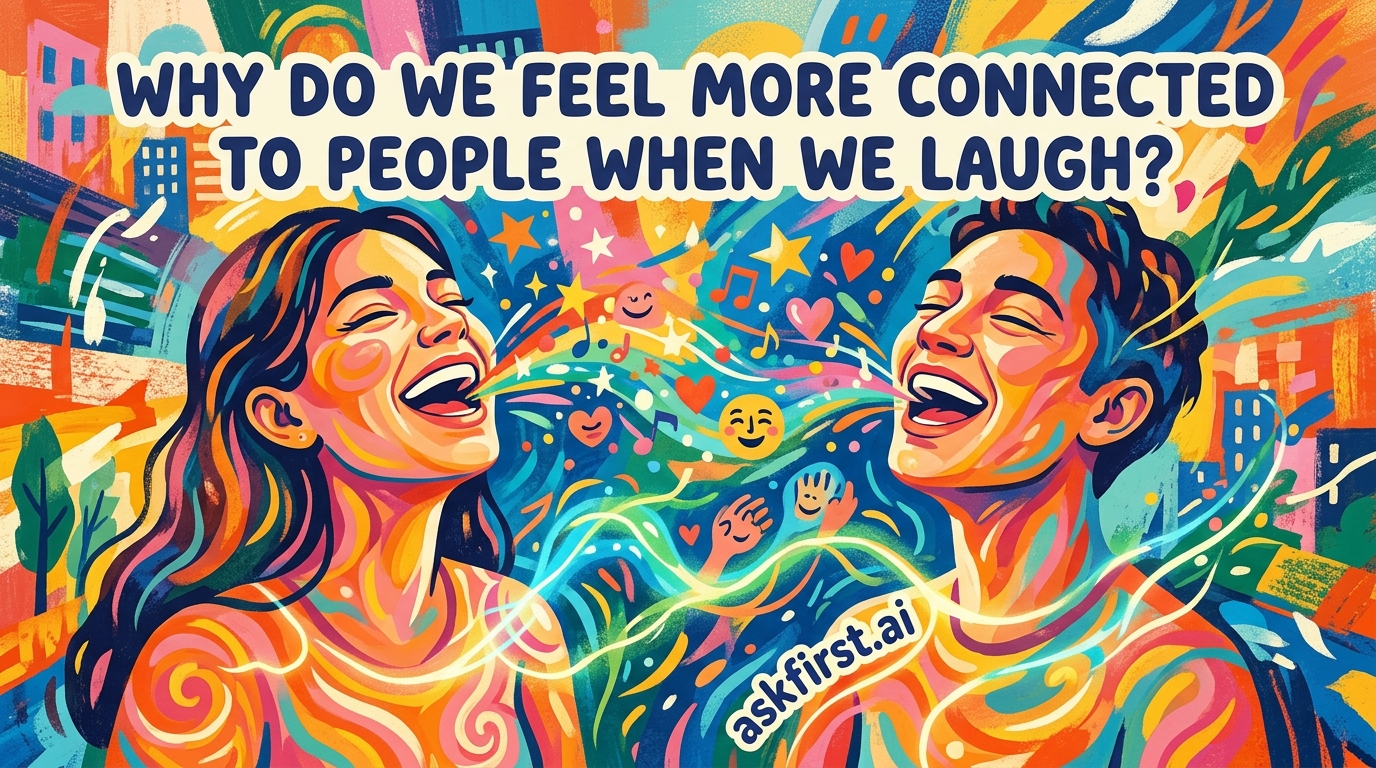
Laughter is often described as a universal language, yet its biological underpinnings reveal a sophisticated mechanism designed to forge social bonds. When humans laugh, the brain triggers a massive release of endorphins, the body's natural "feel-good" chemicals. These neurotransmitters interact with the opioid receptors in the brain, effectively creating a physiological state of comfort and trust. Research from the University of Oxford suggests that the intensity of laughter directly correlates to the surge of endorphins, explaining why shared laughter is a potent bonding agent. This process bypasses cognitive deliberation, signaling to the subconscious mind that the individuals present are "safe" and "aligned," which is a relic of our evolutionary past where social cohesion was a requirement for survival.
The Role of Social Grooming
Anthropologists often view laughter as a vocalized form of social grooming. Primates use physical touch and picking to maintain group hierarchy and cohesion, but as human groups grew larger, physical touch became inefficient for maintaining bonds with everyone. Laughter evolved as a "distance-grooming" signal. It allows humans to signal approval and affiliation to multiple people simultaneously. By laughing together, individuals synchronize their respiratory rhythms and neural activity, a phenomenon known as neural coupling. This synchronization fosters a sense of unity and shared reality, making people feel as though they are experiencing the world from a common perspective, which drastically reduces social friction and increases interpersonal trust.
Psychological Synchronization and Trust
Beyond chemistry, laughter facilitates a psychological phenomenon known as emotional contagion. When one person laughs, it triggers mirror neurons in the brains of observers, prompting a reflexive imitation of the behavior. This mirroring serves as an empathy-building exercise. By sharing a laugh, people validate one another’s worldview. If person A laughs at a joke told by person B, it signals that person A understands and accepts person B's cognitive framing of the situation. This confirmation of shared meaning is deeply reassuring to the human psyche. It effectively says: "I see things the way you do, and we are on the same team."
Key Mechanisms Behind the Connection
To understand why this bond is so profound, one must look at the specific psychological levers laughter pulls:
- Reduction of Defenses: Laughter requires a state of vulnerability. By letting one's guard down in front of others, an individual signals trust, which invites reciprocity from the group.
- Stress Attenuation: Laughter decreases levels of cortisol, the primary stress hormone. When people laugh together, they collectively lower their stress levels, creating a positive emotional landscape that links the group to a feeling of relaxation.
- The In-Group/Out-Group Signal: Laughter acts as a social marker. Knowing when to laugh at a subtle nuance suggests a shared culture, education level, or life experience, which strengthens the sense of "belonging" within a community.
Building Lasting Relationships Through Humor
In long-term relationships, laughter serves as a maintenance tool for emotional intimacy. Studies in positive psychology consistently show that couples who report higher frequencies of shared laughter exhibit greater relationship satisfaction and resilience. This is because laughter functions as a conflict-resolution mechanism. A well-timed joke during a disagreement can de-escalate tension by shifting the emotional state of both parties from defensive to receptive. It allows partners to distance themselves from their ego-driven narratives and reconnect with the shared enjoyment of the relationship.
A Tool for Evolution
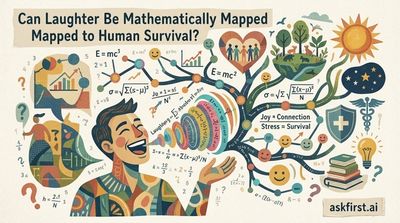
From an evolutionary standpoint, the survival of the species depended on the ability to form dense, cooperative networks. Laughter provided an efficient, low-cost way to reinforce these networks. It served as a "social glue" that transcended the necessity for complex language or physical proximity. Even in today's digital age, this mechanism remains largely unchanged. Whether through a meme, a video, or a witty comment, the ability to provoke shared laughter remains the fastest route to establishing rapport with a stranger or deepening a connection with a lifelong friend.
Conclusion
Ultimately, feeling connected through laughter is not just a pleasant sensation; it is a vital biological function. By inducing a chemical reward, synchronizing physiological states, and signaling shared social values, laughter bridges the gap between individual minds. It transforms a collection of separate beings into a unified group, proving that the simplest of human expressions remains our most powerful social tool.