The Intersection of Sound and Biological Resilience
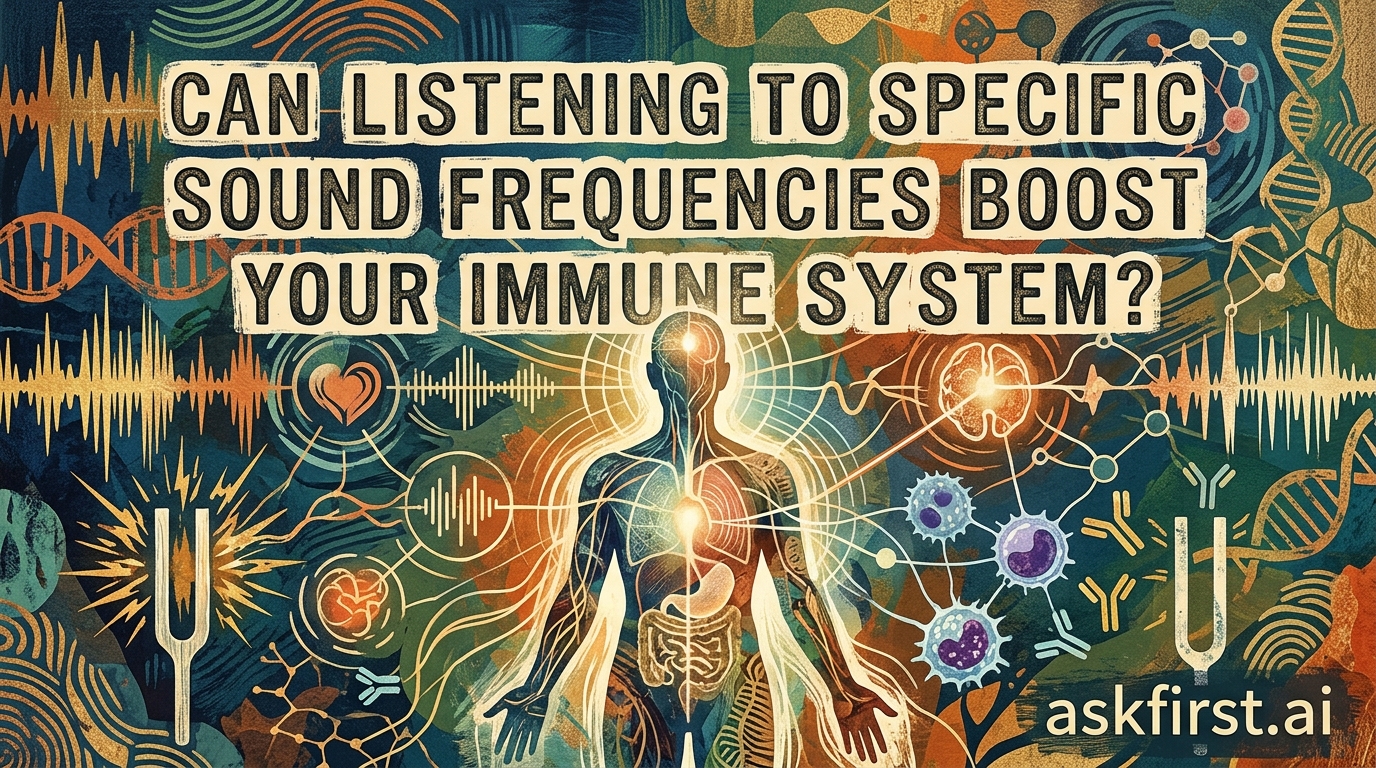
The notion that sound frequencies might influence human physiology is a subject of growing interest within the realms of bio-acoustics and integrative medicine. While traditional medicine focuses heavily on biochemical interventions, the study of how vibrational energy interacts with biological systems offers a compelling look at the subtle mechanisms of human health. The hypothesis suggests that since all matter vibrates at specific frequencies, auditory inputs might theoretically resonate with cells or tissues, potentially modulating physiological states.
The Science of Resonance and Entrainment
At the core of this discussion is the principle of entrainment, a phenomenon in physics where two oscillating systems fall into phase with one another. When applied to biology, the idea is that the human brain or cardiovascular system might synchronize with rhythmic sound patterns. Binaural beats, for instance, involve playing two slightly different frequencies in each ear, leading the brain to perceive a third frequency. Research indicates that such acoustic techniques can reliably alter brainwave activity, shifting individuals from high-stress beta states into restorative alpha or theta states. By reducing cortisol—a known immunosuppressant hormone—these acoustic interventions may indirectly support immune function.
Can Frequencies Directly Modulate Cellular Function?
While evidence linking sound to specific immune responses is preliminary, several theoretical pathways exist:
- Stress Reduction and Cortisol: Chronic stress is one of the greatest detractors from immune performance. Sound therapy, including 432Hz music or Solfeggio frequencies, is often cited for its ability to lower heart rate and reduce sympathetic nervous system dominance.
- Nitric Oxide Modulation: Some experimental studies explore whether specific sound vibrations can encourage the production of nitric oxide, a molecule crucial for cardiovascular health and immune regulation.
- Vagus Nerve Stimulation: The vagus nerve plays a critical role in the inflammatory reflex. Low-frequency humming or chanting can stimulate the vagus nerve, which may downregulate systemic inflammation and foster an environment where immune cells function more efficiently.
Busting the Myths: Separating Hype from Reality
It is essential to distinguish between scientific potential and pseudoscientific marketing. There is currently no definitive evidence that listening to a specific "immune-boosting frequency" (such as a 528Hz tone) acts as a replacement for vaccines or nutrition. The immune system is a complex, multi-layered defense network composed of white blood cells, cytokines, and signaling proteins. While sound can significantly modulate the environment in which these cells operate—by improving sleep quality, decreasing systemic inflammation, and balancing the autonomic nervous system—it is not a magical "switch" for disease resistance.
Optimizing the Acoustic Environment for Health
To leverage sound for well-being, consider the following evidence-based practices:
- Prioritize Nature Sounds: Studies in environmental psychology demonstrate that natural soundscapes (birds, flowing water, wind) consistently lower autonomic arousal more effectively than harsh or erratic man-made noises.
- Consistency over Intensity: The benefits of sound therapy are most prominent when integrated into a daily routine. Regular practice helps maintain a baseline of lower systemic stress, which allows the immune system to allocate resources toward repair rather than constant "fight or flight" responses.
- Individual Variation: Biological responses to sound are subjective. What induces relaxation in one person might be perceived as grating by another. It is vital to prioritize frequencies and soundscapes that subjectively correlate with feelings of calm and safety.
Future Directions in Bio-Acoustics
As we look toward 2030 and beyond, the field of digital medicine is rapidly expanding. Wearable technology is beginning to track how real-time acoustic environments impact heart rate variability (HRV), a key indicator of autonomic nervous system health and resilience. As researchers map the precise relationship between vibrational input and protein expression, it is likely that we will see the emergence of highly personalized "auditory prescriptions" designed to optimize recovery.
Conclusion
Does listening to sound boost your immune system? The answer is nuanced. While sound cannot substitute for foundational health habits like proper nutrition, exercise, and sleep, it is a powerful tool for modulating the internal landscape of the body. By leveraging the principles of entrainment and neurobiology to lower stress and systemic inflammation, individuals can foster a physiological environment where the immune system is primed to perform at its peak. The future of health may very well be found not just in the chemicals we ingest, but in the vibrations we choose to experience.