The Harmonic Path to Recovery
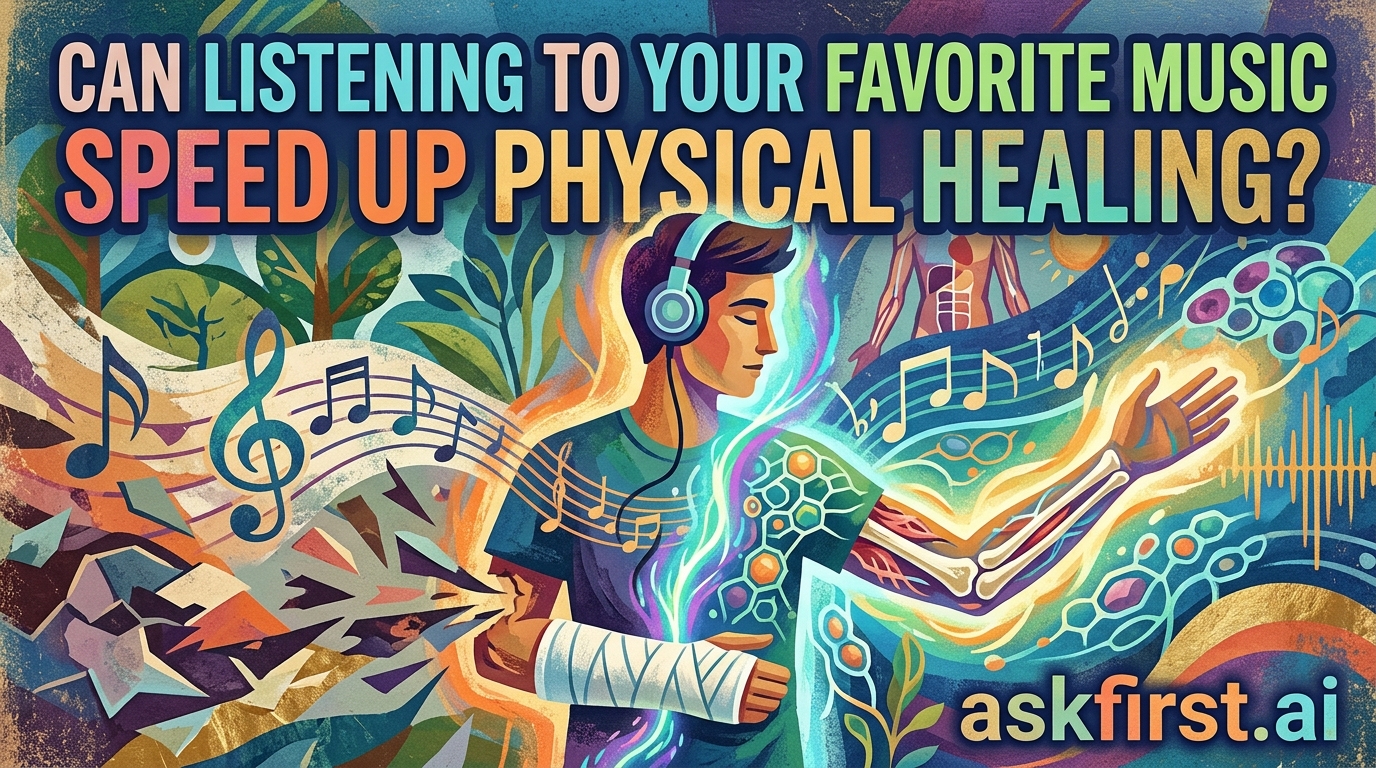
Music is often perceived merely as an aesthetic experience—a soundtrack to daily life or a mood-altering tool. However, emerging research in the fields of neuromusicology and psychoneuroimmunology suggests that music acts as far more than mere entertainment. The question of whether favorite music can accelerate physical healing touches upon the intricate connections between the auditory cortex, the autonomic nervous system, and the body’s endocrine responses. When a person listens to music they genuinely enjoy, the brain undergoes a cascade of neurochemical changes that can fundamentally optimize the internal environment for biological repair.
The Neurochemical Cascade
When a favorite melody reaches the brain, it triggers a reward response mediated by the release of dopamine in the ventral striatum. This pleasure-induced chemical surge does more than just make the listener feel good; it acts as a physiological buffer against stress. High levels of the stress hormone cortisol are scientifically proven to inhibit immune function and delay tissue regeneration. By lowering cortisol levels through the induction of a 'relaxation response,' music effectively removes the physiological 'brakes' that stress places on the body's natural healing processes.
- Stress Reduction: Music lowers heart rate and blood pressure, shifting the body from the 'fight-or-flight' sympathetic state to the 'rest-and-digest' parasympathetic state.
- Endorphin Release: Music facilitates the production of endogenous opioids, which function as natural analgesics, potentially reducing the patient's reliance on synthetic painkillers.
- Oxytocin Modulation: Bonding with music can elevate oxytocin, a hormone that not only promotes social connection but also assists in wound healing and anti-inflammatory processes.
Auditory Stimulation and Post-Operative Recovery
Evidence from clinical studies, particularly in post-operative settings, highlights the practical application of music therapy. Patients who engage in active or passive music listening following surgeries often report significantly lower levels of perceived pain. This reduction in pain perception is not purely psychological; it is tied to the Gate Control Theory of Pain. By engaging the brain with complex auditory stimuli, the neural pathways that transmit pain signals are effectively 'distracted' or overwritten. Furthermore, stable blood pressure and heart rates, achieved through rhythmic entrainment—where the body subconsciously synchronizes its biological rhythms with the beat of the music—allow the cardiovascular system to operate with greater efficiency, facilitating blood flow to damaged tissues.
The Importance of Personal Preference
Why is the term 'favorite music' so critical? The healing power of music is highly subjective. A tempo or genre that induces relaxation in one individual may cause agitation or increase cortisol in another. This is known as auditory preference. When a patient listens to music they personally cherish, the amygdala—the brain's emotional processing center—is downregulated, while the prefrontal cortex is stimulated. This synchronization creates a sense of personal agency and emotional safety, which are psychological states inextricably linked to physical resilience. An individual who feels emotionally empowered is physiologically better equipped to withstand the stresses of recovery and illness.
Beyond the Ear: Rhythmic Entrainment and Biological Function
Biological systems are inherently rhythmic. From circadian cycles to cardiac patterns, the body relies on oscillations to function. Music serves as an external pacemaker. When the frequency and tempo of a musical composition align with the body's desired homeostatic rhythm, it can assist in stabilizing erratic heart rates or breathing patterns. In cardiovascular recovery, the use of rhythmic auditory stimulation has shown promise in helping patients regain motor control and physiological stability.
Future Implications in Healthcare
As medical technology integrates more holistic approaches, the inclusion of music in clinical environments is moving from the fringe to the mainstream. Hospitals are increasingly utilizing 'music medicine' protocols, where curated playlists are prescribed alongside pharmaceutical interventions. The cost-effectiveness of this modality, combined with a total lack of adverse side effects, makes it an ideal candidate for integrative care. While music cannot replace essential surgical or medical treatments, it acts as a powerful adjuvant therapy. It creates a physiological baseline that is conducive to speedier recovery, proving that the human body is sensitive to the frequencies of its own environment.
Conclusion
In summary, the influence of music on healing is a testament to the profound connection between the mind and the body. By leveraging the power of personal preference, reducing the inhibitory effects of cortisol, and encouraging parasympathetic nervous system activity, favorite music does indeed contribute to a faster, more effective healing process. It turns the recovery period from a passive ordeal into an active, neurologically supported journey of restoration. As research continues to refine how specific frequencies and rhythms interact with human biology, the role of sound will likely become a cornerstone of personalized, integrative wellness in the decades to come.