The Eternal Sweetness: Why Honey Defies Time
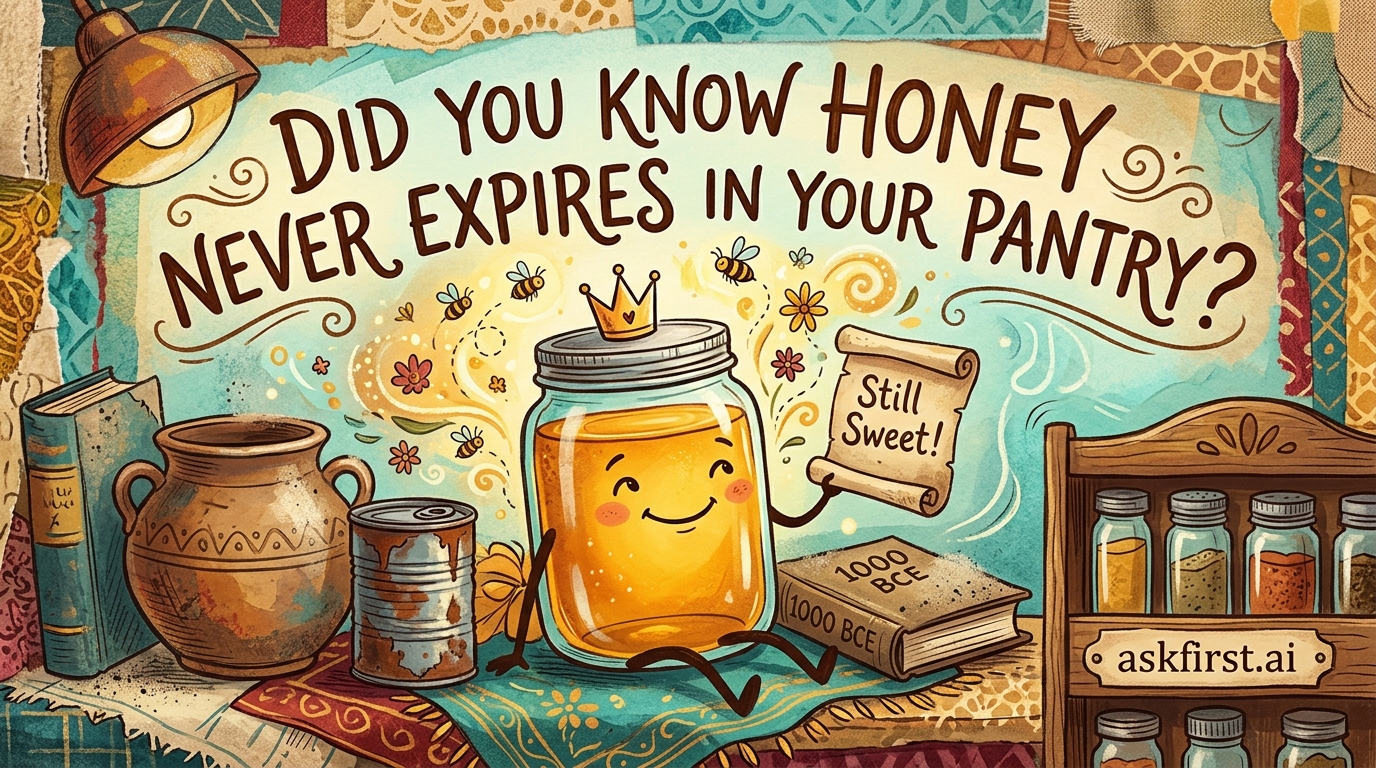
Honey is one of the most remarkable substances produced in nature, existing as a beautiful intersection of biological necessity and chemical perfection. Often referred to by food scientists and historians as a 'superfood' that defies the conventional rules of spoilage, honey remains the only food item known to man that can be stored indefinitely without ever losing its nutritional profile or safety for consumption. Archaeological discoveries of honey stored in ancient Egyptian tombs—thousands of years old—have shown that the substance is still chemically intact and theoretically edible, a phenomenon that invites deep scientific investigation.
The Chemical Architecture of Permanence
The secret to honey's eternal shelf life lies in a precise combination of chemical properties that create a hostile environment for microorganisms. To understand why honey does not expire, one must analyze its unique composition:
- Low Moisture Content: Honey is naturally hygroscopic, meaning it absorbs moisture from the air. However, in its original state, it has an incredibly low water content. Most bacteria and microorganisms require moisture to thrive and replicate. Because honey creates a hypertonic environment, it draws moisture out of any microbial cells that try to enter, effectively dehydrating and neutralizing them before they can spoil the product.
- High Acidity (Low pH): With a pH level typically ranging between 3 and 4.5, honey is acidic enough to inhibit the growth of common bacteria. Most pathogens struggle to survive in such an acidic landscape, making honey a natural fortress against bacterial proliferation.
- Hydrogen Peroxide: During the process of nectar conversion, bees introduce an enzyme called glucose oxidase. When this enzyme interacts with nectar, it produces gluconic acid and hydrogen peroxide. This trace amount of hydrogen peroxide acts as a natural antibacterial shield, providing a secondary layer of protection against invading organisms.
The Crystallization Myth: Understanding Physical Changes
A common misconception among consumers is that if honey becomes grainy, hard, or cloudy, it has 'gone bad.' This process is known as crystallization, and it is not a sign of expiration; it is a sign of high-quality, raw honey. Because honey is a supersaturated solution of two primary sugars: glucose and fructose, the glucose often precipitates out of the liquid phase over time. The speed of this crystallization depends on the floral source and the storage temperature.
- Reversing the Process: To return crystallized honey to a smooth, liquid state, one simply needs to place the jar in a bowl of warm (not boiling) water. Gentle heat breaks the sugar crystal lattice, returning the honey to its liquid viscosity without harming its integrity.
Optimal Storage Protocols for Longevity
While honey is technically immortal, its sensory qualities—flavor, aroma, and color—can change if improperly stored. To ensure the highest quality for decades, follow these professional guidelines:
- Seal It Tightly: Always keep the lid secure to prevent moisture absorption. If honey is exposed to the air for long periods in humid climates, it may absorb too much water and eventually become susceptible to fermentation.
- Avoid Metal Contamination: High-grade honey should be stored in glass or food-grade plastic containers. Acidic properties can react with certain metals, potentially altering the taste or introducing metallic impurities.
- Temperature Consistency: Store honey at room temperature. Extreme fluctuations or excessive heat can darken the color and diminish the delicate volatile compounds that provide specific floral notes.
- Use Clean Utensils: Always use a clean, dry spoon when dipping into the jar. Introducing crumbs or moisture-laden liquids like saliva or water will compromise the purity of the jar.
The Ecological Marvel: From Nectar to Nectar of the Gods
The transformation of nectar into honey is a labor-intensive process performed by the honeybee (Apis mellifera). It requires the constant fanning of wings to evaporate excess water, reducing the nectar's water content from approximately 80% to less than 18%. This mechanical dehydration, combined with the enzymes added by the bees, is what stabilizes the final product.
Conclusion
Honey represents a rare consistency in a world of perishable goods. By understanding the science of its moisture content, acidity, and enzymatic activity, consumers can appreciate honey not just as a sweetener, but as a masterpiece of biological engineering. Whether one is opening a jar bought last week or finding a hidden stash years later, the golden elixir within remains a testament to the fact that some things truly are designed to last forever. Always keep it sealed, keep it cool, and enjoy the ancient tradition of nature’s perfect preserve.