The Biological Connection Between Darkness and Mood
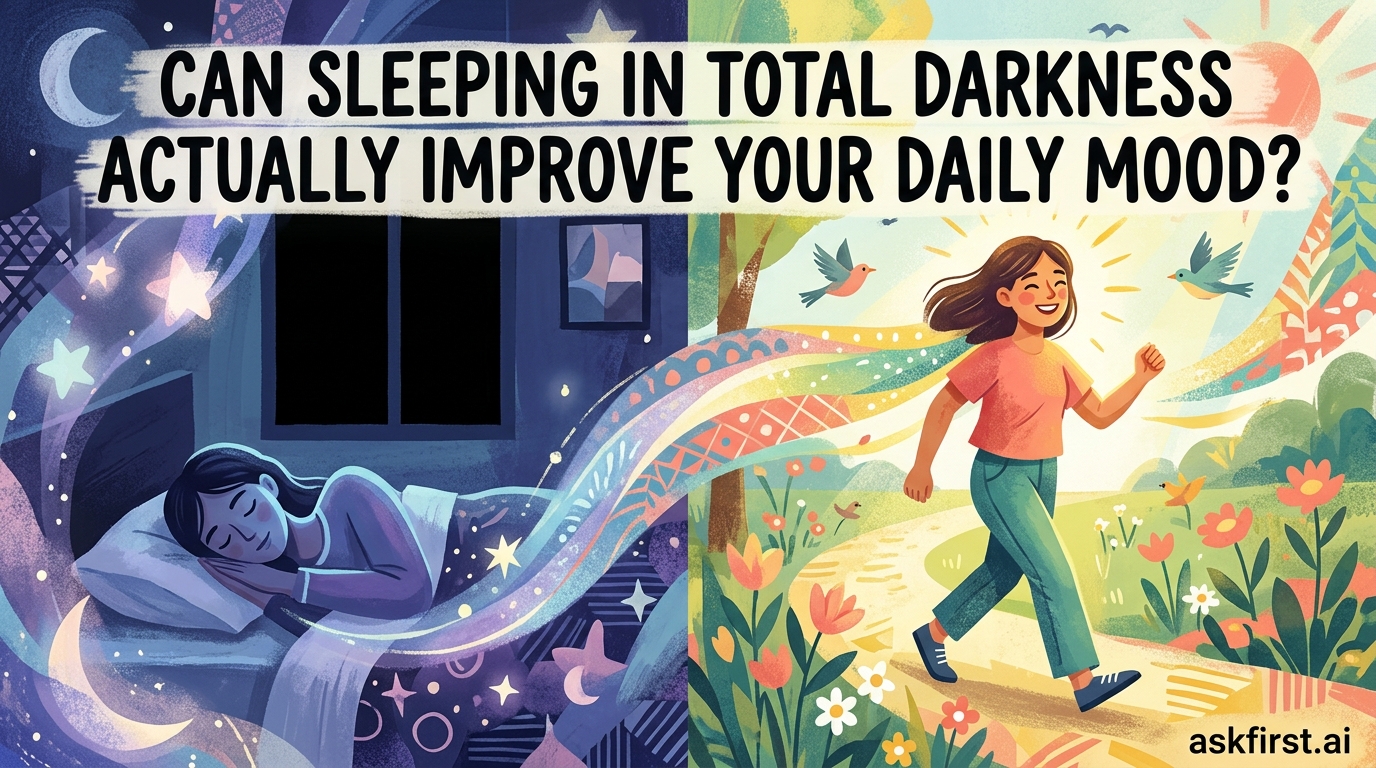
Modern sleep research has increasingly focused on the role of light, specifically the absence of it, in regulating human neurochemistry. Sleep in total darkness is not merely a preference; it is a biological necessity for optimal hormonal balance. When the human body is exposed to even minute amounts of artificial light during sleep, such as the ambient glow from a smartphone, a streetlamp, or a status indicator on a household appliance, the brain registers this input. This disruption, however subtle, interferes with the production of melatonin—a hormone synthesized by the pineal gland. Melatonin acts as the conductor of the body's internal orchestra, signaling to organs that it is time to shift from active maintenance to restorative repair.
The Melatonin-Serotonin Axis
Beyond sleep regulation, melatonin is intricately linked to the synthesis of serotonin, the neurotransmitter most closely associated with stable mood, happiness, and emotional resilience. When melatonin levels are suppressed due to late-night light exposure, the body faces difficulty maintaining a stable serotonin baseline during the following day. Research suggests that chronic exposure to artificial light at night (ALAN) correlates with emotional dysregulation. Conversely, maintaining absolute darkness during sleep allows for a peak in melatonin secretion, which facilitates deeper REM and non-REM cycles. These cycles are critical for processing emotional memories. During deep sleep, the brain 'reboots' the amygdala—the region responsible for processing emotional responses—effectively resetting the sensitivity to stress for the subsequent day.
The Science of Circadian Alignment
Humans have evolved to rely on the natural progression of light and dark. The circadian clock is the endogenous system that regulates nearly all physiological processes. Sleeping in total darkness mimics the natural evolutionary environment, which helps align the central circadian clock with the external environment.
- Enhanced Sleep Quality: Darkness increases the release of growth hormone and lowers cortisol levels.
- Cortisol Regulation: By eliminating light-induced interruptions, the body experiences a smoother drop in cortisol during the early hours of sleep, preventing the common phenomenon of 'waking up stressed.'
- Cognitive Preservation: Better sleep quality leads to improved focus, mental clarity, and executive functioning, all of which directly contribute to a higher perception of daily satisfaction and reduced irritability.
Practical Strategies for Total Darkness
To maximize the mood-lifting benefits of dark-room sleeping, one must look beyond simply turning off the bedside lamp. Light leakage is a common inhibitor of sleep quality, often overlooked by even the most disciplined sleepers.
- Blackout Curtains: Investing in heavy-duty, light-blocking curtains is the most effective way to eliminate external light pollution from streetlights or passing vehicles.
- Technology Quarantine: Electronic devices are notorious for emitting blue light, which is particularly effective at suppressing melatonin. Ensure all screens are powered off or removed from the sleeping quarters at least 60 minutes before bed.
- Appliance Masking: Cover LED lights on humidifiers, air purifiers, or power strips with dark tape to eliminate the 'micro-stimuli' that keep the brain partially alert throughout the night.
- High-Quality Sleep Masks: If environmental light cannot be fully mitigated through structural changes, a contoured, breathable sleep mask is an excellent, low-cost intervention that creates an immediate personal 'blackout zone.'
Long-Term Psychological Resilience
The cumulative effect of better sleep quality extends far beyond a temporary good mood. Individuals who prioritize total darkness as part of their sleep hygiene routine report higher scores on standardized emotional stability metrics. This is because high-quality, undisturbed sleep allows for the efficient clearance of metabolites from the brain. In 2013, studies published in Science highlighted the role of the glymphatic system—a waste clearance pathway that becomes significantly more active during sleep. Proper darkness ensures that this clearance system operates at peak capacity, removing the protein byproducts that accumulate during wakefulness. By reducing neuro-inflammation, total darkness helps protect the brain against the 'brain fog' that often contributes to anxiety and mood swings.
Conclusion: The Light at the End of the Dark
In a world where artificial lighting is ubiquitous, seeking true darkness has become a radical act of self-care. It is not just about feeling rested; it is about providing the physiological foundation for mental health. By ensuring the environment is perfectly dark, the body is permitted to perform its vital restorative work without interference. This leads to clearer thinking, balanced emotions, and a consistent, energized outlook on life. The evidence is conclusive: when the world goes dark, the mind and spirit have the best opportunity to shine.