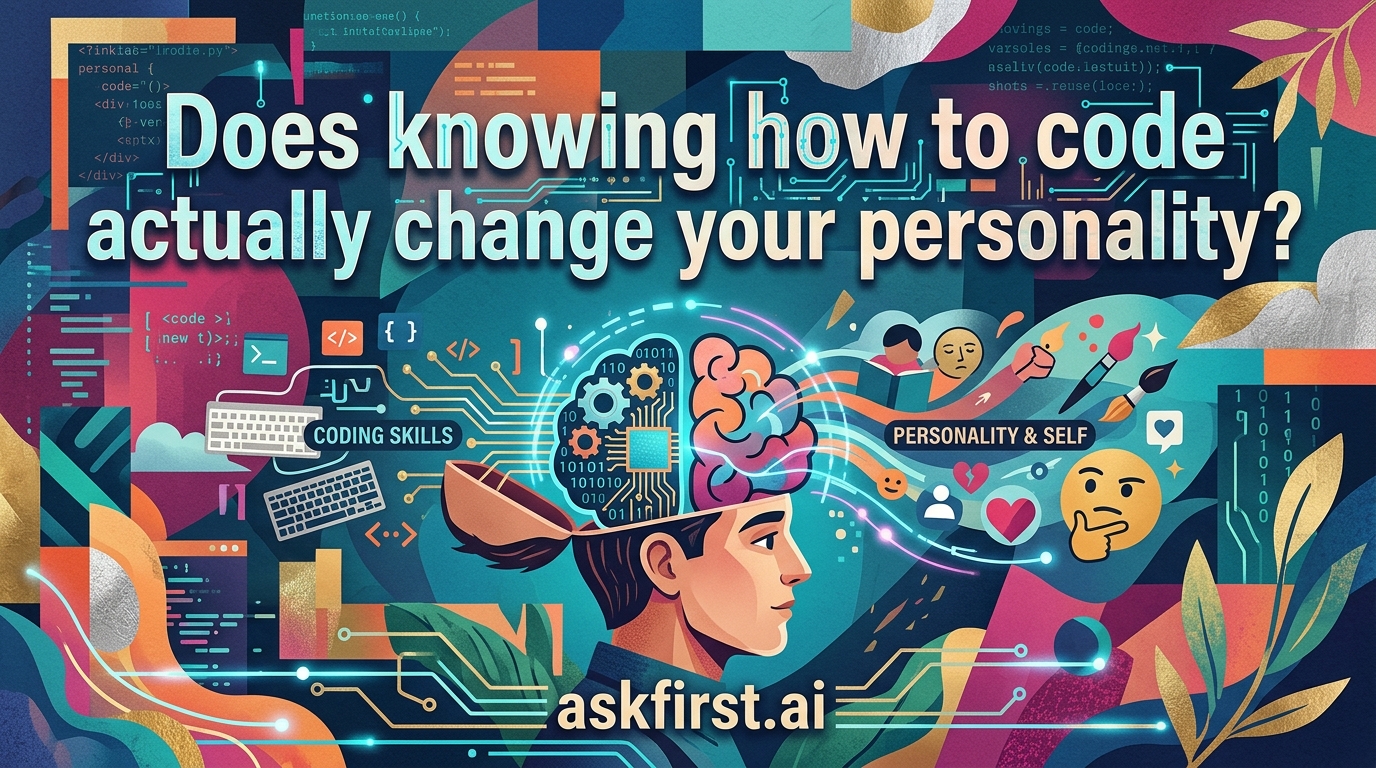
The Cognitive Metamorphosis: How Programming Sculpts the Mind
The pursuit of programming is frequently framed as the acquisition of a technical toolkit—a set of languages and frameworks used to build applications or automate processes. However, a growing body of evidence suggests that the act of learning to code facilitates a profound neuroplastic transformation that transcends the digital realm. Engaging with algorithmic logic and structured systems does not merely equip a developer with skills; it fundamentally alters the cognitive architecture through which reality is perceived.
Analytical Decomposition and Problem Solving
At the core of a programmer's cognitive shift is the practice of computational thinking. This methodology involves breaking complex, intimidating challenges into granular, manageable segments. Once a person adopts this mental habit, the approach to daily life evolves. Mundane problems, such as organizing a household move or planning a project, are subconsciously refactored into modular components. This shift often manifests as increased patience and a diminished fear of the unknown, as the brain becomes conditioned to believe that any obstacle, no matter how large, can be disassembled into solveable parts.
Debugging the Internal Narrative
Programming demands an intense focus on identifying logical fallacies—bugs that cause systemic failure. This process of iterative testing and refining breeds a unique form of intellectual humility. When code fails to execute, a developer learns that the culprit is rarely 'the universe' or 'bad luck,' but rather an error in the logic provided. This realization promotes a growth-oriented personality trait: taking radical responsibility for outcomes. The constant loop of failing, analyzing, fixing, and succeeding reinforces the belief that intelligence is not fixed but fluid and subject to refinement through effort.
The Intersection of Structure and Creativity
Contrary to the myth that coding is a purely robotic, binary endeavor, it is an inherently creative act of 'constructive reasoning.' Coding requires the synthesis of abstract logic and creative vision. Individuals who master this balance often find their personality gravitating toward a more structured form of creativity. They become adept at recognizing patterns—both in data and in human behavior. This pattern recognition allows for a heightened ability to predict outcomes in real-world scenarios, fostering a personality that is both more strategic and more observant of systemic efficiencies.
Neuroplasticity and Cognitive Resilience
The brain functions like a muscle; constant engagement with complex systems strengthens neural pathways associated with working memory, executive function, and logical reasoning. Studies in cognitive neuroscience suggest that learning a new programming language activates the same regions of the brain as learning a human language, but with the added complexity of maintaining rigid logical consistency. Consequently, those who code regularly often exhibit higher levels of cognitive resilience—the ability to remain calm and focused when faced with information overload or high-pressure decision-making environments.
Essential Traits Developed Through Coding
- Methodical Persistence: The ability to endure long periods of effort without immediate visible progress, fostering a 'long-game' mentality.
- Attention to Detail: A sharpened awareness of the significance of small variables, which leads to higher levels of conscientiousness in non-technical domains.
- Abstract Reasoning: The comfort with working within unseen frameworks, allowing for better comprehension of conceptual theories.
- Systems Thinking: An inherent tendency to see the 'big picture' of how independent pieces interact within a larger ecosystem, whether that ecosystem is a codebase or a social organization.
The 'Systemic' Lens on Reality
As the mind adapts to the rigors of logic, the individual begins to view the world through a 'systems lens.' This leads to a personality that is less prone to emotional volatility and more focused on cause-and-effect relationships. This is not to suggest a loss of empathy or warmth; rather, it indicates a shift toward clarity. The person begins to ask, 'What are the variables here?' and 'What is the most efficient logical pathway to the desired outcome?' This shift often results in an increased preference for transparent communication and well-defined expectations in personal relationships.
Conclusion: A New Way of Being
To code is to practice the art of clear thinking. While no single activity can replace the complexity of human personality, the discipline of programming acts as a catalyst for cognitive restructuring. It shifts the brain from a passive receiver of circumstances to an active architect of solutions. Whether it is through the development of patience, the mastery of iterative improvement, or the adoption of a systems-based worldview, those who embrace the logic of the machine often find themselves better equipped to navigate the chaotic unpredictability of the human experience. Ultimately, coding acts as a mental gymnasium, conditioning the individual to be more analytical, resilient, and structurally creative in every facet of their life.