The Paradox of Consuming Sadness
It is a pervasive curiosity in psychology: why do individuals seek out experiences—such as watching melancholic films—that appear, on the surface, to elicit discomfort or sorrow? The phenomenon, often described as the 'Tragedy Paradox,' suggests that what we perceive as negative entertainment actually serves a highly functional, adaptive purpose for the human psyche. Far from being a masochistic endeavor, engaging with cinematic sadness offers a unique, safe harbor for the regulation and understanding of human emotion.
The Role of Psychological Distancing
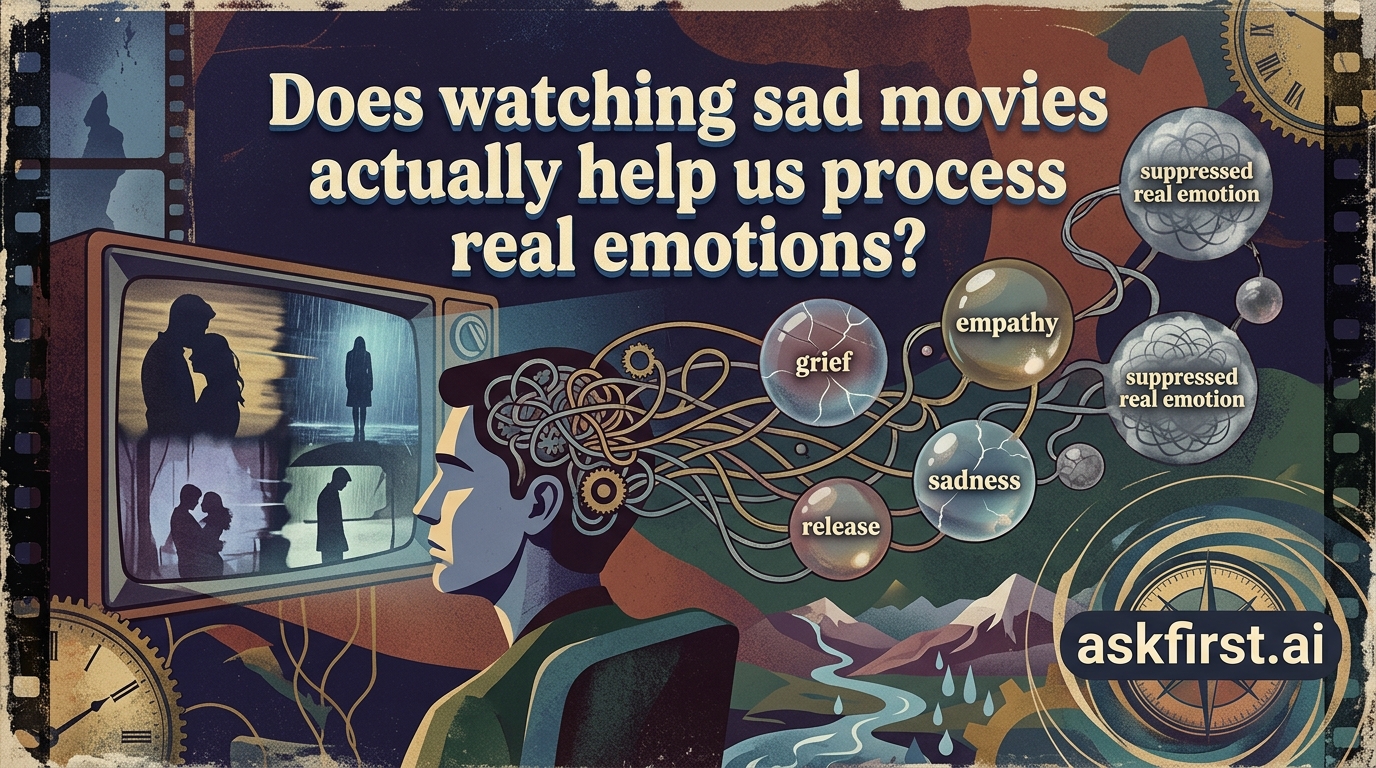
One of the primary mechanisms at play is psychological distancing. When a person watches a fictional story, they remain cognizant that the events occurring on the screen are curated and non-threatening. This awareness creates a buffer, allowing the viewer to engage with profound feelings of empathy and grief without the accompanying real-world consequences or existential risks. This safe environment enables individuals to "practice" feeling sadness, which acts as a form of emotional conditioning. It allows for the exploration of complex human conditions like loss, longing, or nostalgia within a controlled setting.
Neurochemical Rewards and Prolactin
Scientific research into human physiology suggests that shedding tears during a moving film can trigger the release of prolactin and oxytocin. These neurochemicals are naturally occurring hormones often associated with bonding, stress reduction, and comfort. Researchers like Dr. Paul Zak have extensively studied the role of oxytocin in empathy, noting that compelling stories can cause the brain to release this hormone, which then increases our willingness to help others. Therefore, the physiological act of crying during a sad movie is not merely an expression of pain; it is a profound biological reset button that fosters emotional equilibrium and connectivity.
Emotional Regulation and Catharsis
Psychologists emphasize the concept of catharsis—the process of releasing, and thereby providing relief from, strong or repressed emotions. In daily life, individuals often build emotional armors to function efficiently at work or in social settings. This suppression can lead to emotional blunting over time. Consuming sad art provides a structured outlet to dismantle those defenses. By identifying with a character’s struggle, viewers can project their own latent stresses or unresolved feelings onto the screen. This process allows the brain to process difficult emotions in a digestible, temporary format, effectively clearing the emotional backlog.
Building Empathy and Perspective
Beyond internal regulation, sad movies act as tools for social cultivation. By stepping into the life of a fictional character suffering from a relatable plight, the audience exercises their capacity for empathetic concern. This regular stimulation of the brain's empathy centers enhances one's ability to relate to the real-world experiences of peers. Studies indicate that fans of dramas often demonstrate higher levels of altruism and interpersonal awareness because they have spent years observing, analyzing, and emotionally responding to diverse character arcs.
Practical Strategies for Emotional Maintenance
To derive the maximum benefit from this phenomenon, consider the following approach to "Emotional Film Consumption":
- Active Reflection: Do not simply watch; analyze the specific triggers. Ask yourself why a certain scene elicited a reaction. This turns a passive viewing experience into a cognitive tool for self-discovery.
- Intentional Scheduling: View these films when you feel a sense of internal "stiffness" or unresolved tension rather than when you are already experiencing personal crisis.
- Diverse Selection: Expose yourself to narratives from different cultures and backgrounds. This maximizes the range of emotional responses you can safely navigate, broadening your baseline for empathy.
The Everlasting Benefit of Sad Art
In conclusion, the practice of watching sad films is a highly sophisticated form of emotional hygiene. It allows the human mind to traverse the landscape of sorrow from a position of absolute safety. By engaging with these narratives, we do not simply become passive consumers; we become active participants in our own emotional maturation. Whether through the physiological release of beneficial hormones or the cognitive expansion provided by experiencing diverse perspectives, the sadness on our screens is paradoxically one of the most effective tools we have for maintaining happiness and emotional health in our real lives. As we move forward into a future where digital content becomes even more immersive, the ability to use storytelling as a mirror for the soul will remain an indispensable skill for human well-being.