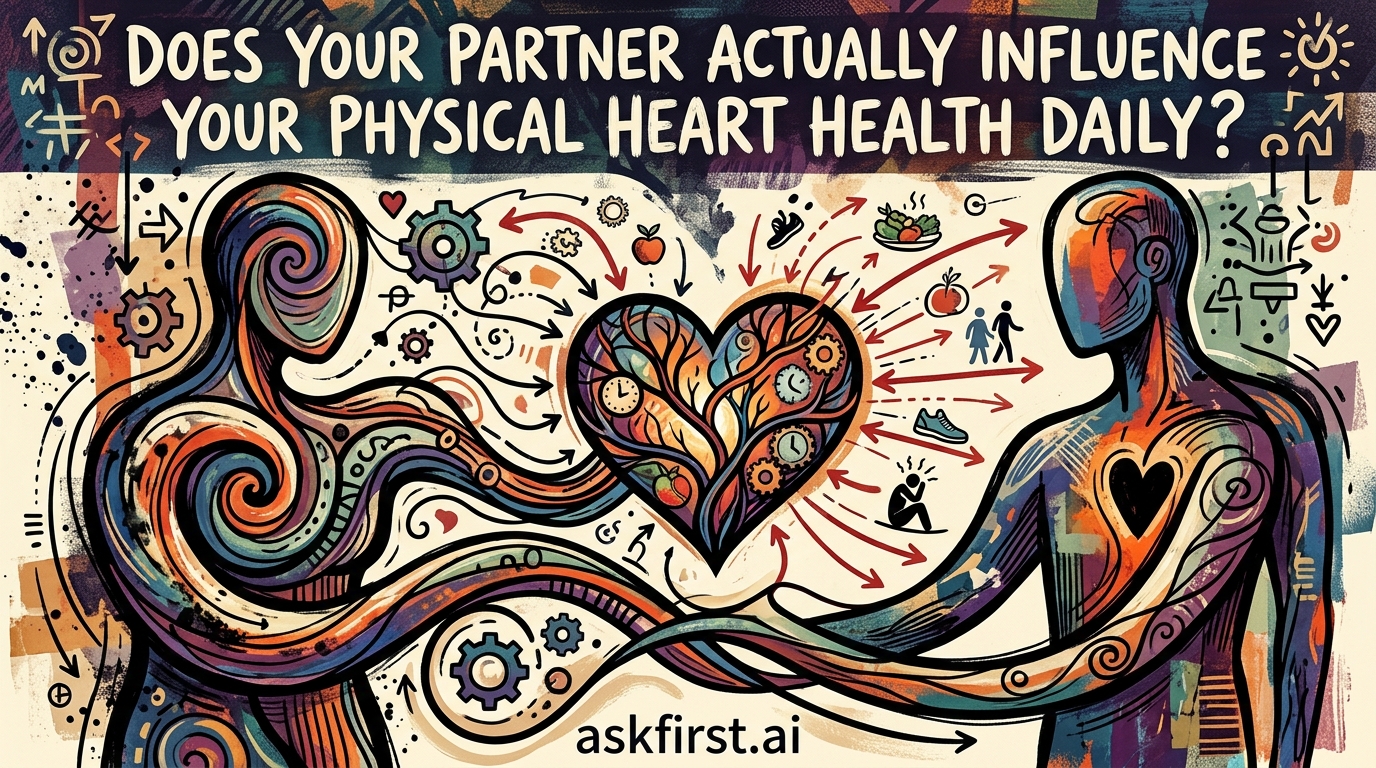
The Invisible Connection: Love and Cardiovascular Physiology
Recent scientific investigations into human relationships have uncovered a profound biological truth: social bonds, particularly those with a romantic partner, act as a constant regulatory system for cardiovascular health. This phenomenon extends far beyond emotional comfort. It operates through a complex web of neurobiological, hormonal, and psychological pathways that influence heart rate variability, blood pressure, and systemic inflammation on a daily basis.
The Neurobiology of Co-Regulation
At the core of this influence is the concept of dyadic co-regulation. When individuals are in proximity to their partner, the autonomic nervous system undergoes subtle shifts. Research in biobehavioral science suggests that physical touch, or even the mere presence of a supportive partner, can dampen the body’s physiological "fight or flight" response. This process reduces the secretion of cortisol and adrenaline, hormones that, when chronically elevated, impose severe strain on the heart muscle and arterial walls. Consequently, the partner acts as a biological stabilizer, effectively lowering the baseline "stress load" that the heart must manage throughout the day.
The Heart Rate Variability (HRV) Marker
Heart Rate Variability (HRV) serves as a primary metric for autonomic health. High HRV indicates a resilient cardiovascular system capable of adapting to stress. Studies have demonstrated that harmonious interaction with a partner often correlates with higher nocturnal HRV. When partners sleep in the same proximity or maintain strong emotional alignment, the parasympathetic nervous system remains more active, promoting deep rest and cellular repair. Conversely, conflict or relational instability acts as a persistent stressor, potentially keeping the heart in a state of sympathetic dominance, which may prevent full recovery during downtime.
Psychological Buffering and Inflammation
Beyond immediate hormonal shifts, partners influence long-term physical health through the mechanism of psychological buffering. Living with a supportive partner influences health behaviors and psychological states, which in turn modulate inflammation markers like C-reactive protein (CRP). Chronic inflammation is a known precursor to atherosclerosis. By providing social support, a partner reduces the perceived threat of everyday stressors, which diminishes the inflammatory response. This "buffer" protects the endothelium, the delicate inner lining of the blood vessels, ensuring that blood flow remains optimized and arterial plaque accumulation is minimized.
The Impact of Shared Lifestyles
It is essential to recognize the behavioral component of this heart-health link. Couples often engage in "behavioral synchrony," which encompasses:
- Nutritional Alignment: Partners often mirror each other's dietary patterns. If one partner prioritizes heart-healthy foods, the other is statistically more likely to follow suit.
- Physical Activity Motivation: The presence of a partner who values movement increases the likelihood of consistent daily exercise, which is the most potent intervention for long-term cardiovascular longevity.
- Sleep Hygiene Consistency: Synchronized sleep schedules and shared environment management significantly improve the quality of restorative sleep, directly impacting blood pressure regulation.
Busting the Myth: It Is Not Just About Romance
Many mistakenly believe that this cardiovascular influence only occurs during the "honeymoon phase." Research indicates that the stabilization effect is actually more prevalent in long-term, stable, and secure attachments. In these relationships, the partner becomes a "safe harbor" that provides a consistent biological baseline. It is not necessarily the intensity of the romance that influences heart health, but the predictability and safety felt within the connection.
The Cardiovascular Impact of Relationship Quality
While positive relationships enhance heart health, the inverse is equally true. Dysfunctional or high-conflict relationships can create a state of chronic physiological arousal. When a partner is perceived as a source of stress rather than a source of safety, the cardiovascular system is constantly exposed to higher systemic pressures. This suggests that the quality of the bond is a primary variable in determining whether a partner functions as a protective shield or a metabolic burden for the heart.
Practical Implications for Daily Life
To optimize this cardiovascular influence, couples can adopt practices that enhance their biological synergy:
- Prioritize Emotional Coherence: Engage in brief daily check-ins to lower collective stress levels before they accumulate.
- Foster Physical Proximity: Even non-sexual physical contact, such as holding hands or hugging, triggers the release of oxytocin, which serves as a natural vasodilator, helping to lower blood pressure.
- Encourage Collaborative Wellness: Move from individual health goals to couple-based objectives, making heart health a shared value rather than a solo task.
Conclusion
The evidence is clear: humans are fundamentally interdependent biological entities. The heart does not exist in a vacuum; it responds dynamically to the environment provided by our most intimate relationships. By understanding this, individuals can consciously cultivate deeper, more supportive connections, knowing that every expression of warmth and stability is a tangible contribution to their own long-term cardiovascular health.