The Neuroscience of Musical Euphoria
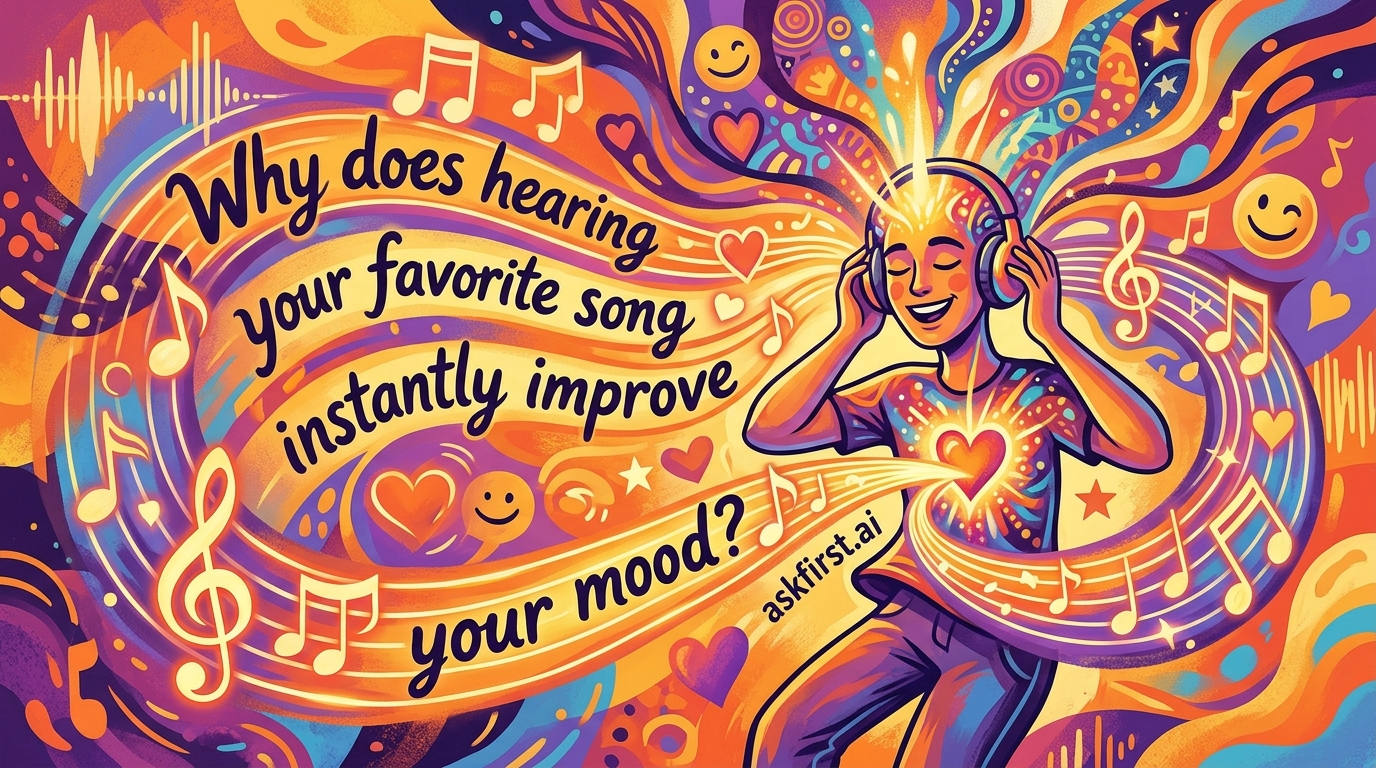
Hearing a favorite song triggers a complex, cascading neurological event that functions much like a "synaptic shortcut" to happiness. When a melody resonates with personal history or aesthetic preference, the brain initiates a multifaceted response involving the limbic system, the reward centers, and the auditory cortex. This phenomenon, often termed the "chills response" or frisson, represents a peak emotional state where the body reacts physically to abstract auditory stimuli.
1. The Dopaminergic Reward Pathway
At the core of this mood enhancement is the release of dopamine in the nucleus accumbens, a central structure in the brain's reward circuit. When a favorite song begins, the brain engages in a predictive process known as "anticipatory reward." As the familiar notes play, the brain anticipates the satisfying resolution of the chord progression or the rhythmic hook, triggering a release of dopamine even before the most climactic moment of the song arrives. This process is strikingly similar to the neurochemical response associated with food, social bonding, and other survival-linked behaviors.
2. The Role of the Limbic System
The limbic system, which houses the amygdala and hippocampus, acts as the emotional gatekeeper. Because music is often deeply encoded with personal memories—such as a graduation, a first date, or a significant life transition—the hippocampus links the auditory patterns to specific episodic memories. As the song plays, the amygdala modulates the emotional intensity of these memories. If the song is linked to a positive experience, the brain effectively "re-lives" that positive affect, leading to an immediate boost in mood that bypasses conscious rationalization.
3. Entrainment and Physiological Synchronization
Beyond neurochemistry, music induces a process called neural entrainment. The human brain tends to synchronize its oscillatory rhythms with external periodic stimuli. When the tempo of a song matches the listener's internal biological rhythm—such as heart rate or breathing patterns—the body enters a state of homeostasis. This synchronization can lower cortisol levels (the primary stress hormone) and stabilize the autonomic nervous system.
- Reduction in Anxiety: By providing a predictable, rhythmic structure, music acts as a form of grounding, helping the brain move out of a "fight or flight" state.
- Social Connectivity: Even when listening alone, the structure of music—which mirrors human vocal intonation—simulates a sense of connection, addressing the human need for social belonging.
4. The "Aesthetic Chills" Mechanism
Studies published in journals like Nature Neuroscience suggest that the intense euphoria experienced during a favorite song is linked to the prediction errors in the brain. When a musical piece contains unexpected but ultimately pleasing variations (such as a sudden change in key or a crescendo), the brain experiences a brief "surprise" that is immediately resolved. This successful resolution creates a surge in brain activity that triggers a somatic response: goosebumps, dilated pupils, and a rapid shift in emotional valence. This is why music is often described as a "drug for the brain"—it mimics the pleasure of discovery without requiring a physical reward.
5. Practical Implications for Well-being
The psychological benefits of listening to music are profound and accessible. By curating a playlist of "mood-regulating" tracks, individuals can effectively perform self-administered cognitive-behavioral interventions. This is not merely anecdotal; clinical studies have shown that music therapy significantly aids in managing chronic stress and improving cognitive performance.
- Cognitive Loading: Music consumes enough cognitive bandwidth to prevent ruminative negative thoughts while leaving enough space for focus, making it an ideal companion for work.
- Emotional Regulation: Utilizing music as a tool to shift one's baseline mood is a valid and highly effective strategy for long-term emotional resilience.
Conclusion
The instant improvement of mood via music is a masterful interplay of biology, memory, and rhythm. It is a biological testament to the fact that humans are fundamentally wired to find meaning and pleasure in organized sound. By understanding the mechanisms behind this experience—the dopamine surges, the hippocampal memory retrieval, and the entrainment of biological rhythms—one can better harness the power of music to lead a more balanced and joyous life.