The Psychology of Parasocial Relationships
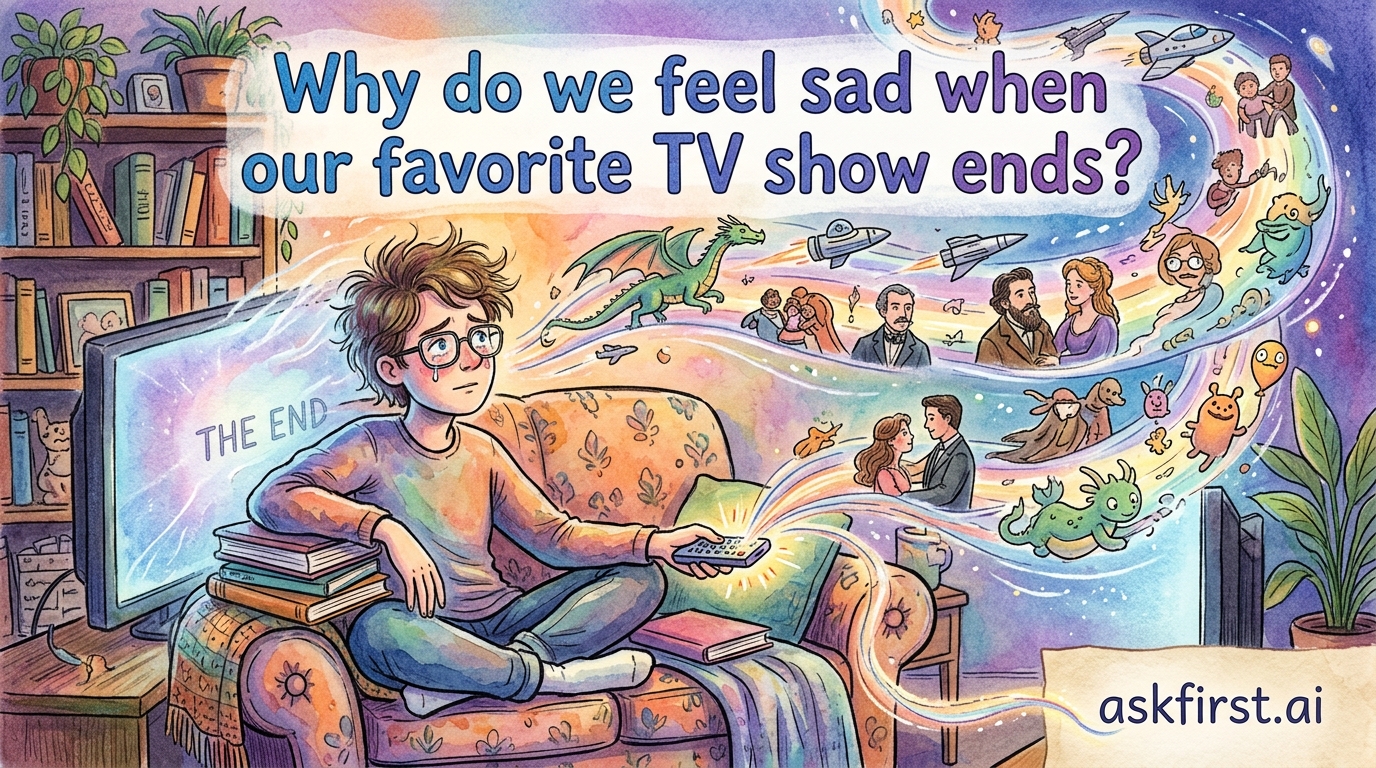
When a long-running television show concludes, many viewers experience a genuine sense of loss that mirrors the grief felt after a personal relationship ends. This phenomenon is rooted in the formation of parasocial relationships—one-sided psychological bonds where media consumers develop feelings of intimacy, friendship, and attachment toward fictional characters or public figures. Because the human brain is evolutionarily wired to recognize social cues and prioritize tribal connection, it often fails to distinguish fully between real-world social interaction and the consistent, scheduled exposure provided by episodic television. When the show ends, the brain experiences a sudden termination of this perceived social feedback loop, triggering a biochemical response akin to separation distress.
The Dopamine Reward Loop and Narrative Immersion
Television shows serve as sophisticated engines for neurochemical stimulation. Each episode acts as a rhythmic stimulus that triggers the brain’s reward system, particularly the release of dopamine. This neurotransmitter is associated with anticipation, pleasure, and the satisfaction of curiosity. Long-form storytelling, such as serial dramas, creates a state of 'flow' where the viewer is deeply immersed in the character's journey. When the narrative terminates, the consistent availability of this reward system vanishes. The sudden drop in dopamine levels can lead to a period of 'withdrawal,' characterized by restlessness, a lack of interest in starting new shows, and an emotional void. This is not merely a sign of obsession but a biological reaction to the cessation of a habitual comfort mechanism.
Psychological Identification and Identity Construction
Beyond basic rewards, favorite shows often contribute significantly to the viewer's sense of self-identity. Throughout the viewing experience, individuals project aspects of their personality onto characters, adopt their values, or use the show as a mirror to understand their own lives. This psychological identification means that the conclusion of a series feels like the end of a personal chapter. If a show was a primary source of escapism or emotional validation, its absence creates a vacuum where the viewer must confront the reality of their own life without that specific lens. This leads to existential reflection, where the viewer evaluates their current state of happiness compared to the vibrancy of the fictional world they inhabited for months or years.
Strategies for Navigating Post-Show Blues
Understanding the mechanics of why this sadness occurs can help mitigate its intensity. Psychologists suggest several strategies to navigate this transition period effectively:
- Engagement in Community Discussion: Reconnecting with other fans through forums or analytical content helps normalize the experience and provides a social outlet for the emotions being felt.
- Creative Reinterpretation: Engaging in 'fandom' activities, such as writing fan fiction, creating fan art, or analyzing the narrative themes, allows the viewer to maintain a cognitive bridge to the story while regaining agency over it.
- Mindful Media Consumption: Acknowledging the ephemeral nature of the show from the beginning helps manage expectations, framing the conclusion as a complete narrative arc rather than a loss of a friend.
- The 'New Show' Bridge: Seeking out programs with similar creative teams or themes can provide a 'soft landing,' allowing the brain to gradually shift its focus to new character dynamics without the harsh 'cold turkey' effect of a total media hiatus.
Evolutionary Perspective on Storytelling
Humans have always been a storytelling species. Throughout history, legends, myths, and oral histories served as a primary means of social learning and emotional regulation. Modern television is essentially the hyper-evolution of these ancient traditions. We do not mourn the show itself as much as we mourn the cessation of the communal experience that the show provided. The sadness felt is actually a testament to the power of human empathy—the capacity to care deeply for entities that exist beyond our physical reality. By recognizing that this emotional response is a byproduct of human creativity and social bonding, we can shift our perspective from one of 'loss' to one of appreciation for the work that was able to move us so profoundly. The end of a show is not the end of the connection, but rather the solidification of a memory that continues to shape our perspectives, values, and emotional resilience long after the screen goes dark.