The Biological Architecture of the Embrace
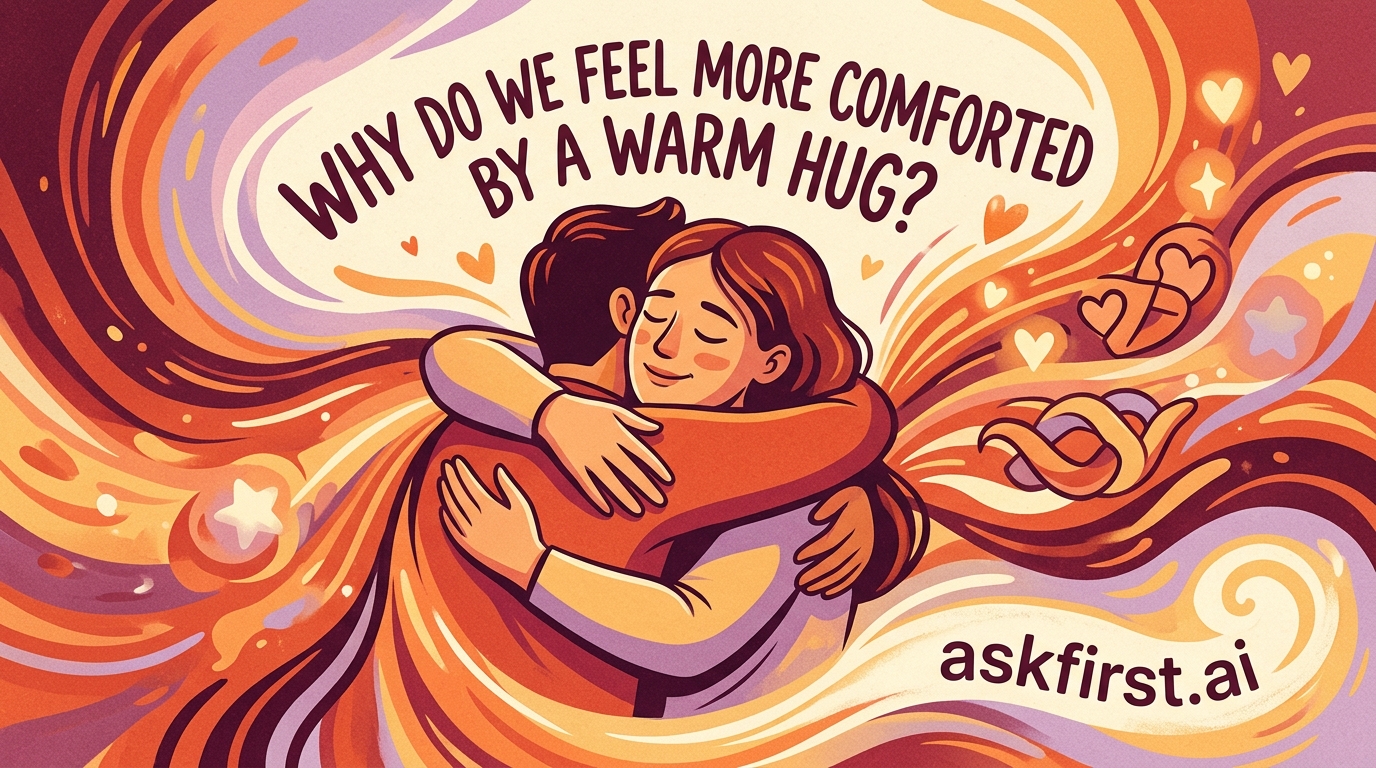
The phenomenon of the warm hug is not merely a social custom; it is a sophisticated biological interaction that deeply influences the human nervous system. When two individuals engage in a warm embrace, the body initiates a complex cascade of neurochemical reactions designed to reinforce social bonding, mitigate stress, and foster a sense of security. At the core of this mechanism is the release of oxytocin, often referred to as the 'cuddle hormone.' Produced in the hypothalamus and released by the posterior pituitary gland, oxytocin surges during physical touch, acting as a potent neurotransmitter that facilitates trust and lowers levels of the stress hormone cortisol.
Neurochemical Regulation and Cortisol Reduction
Research in interpersonal neurobiology suggests that hugs act as a natural regulator for the hypothalamic-pituitary-adrenal (HPA) axis. When life stressors provoke an anxiety response, the body pumps cortisol into the bloodstream, triggering the 'fight-or-flight' mechanism. A sustained hug—generally lasting at least twenty seconds—serves as a physiological 'reset' button. By stimulating the vagus nerve, which runs from the brainstem to the abdomen, the pressure applied during a hug slows the heart rate and decreases blood pressure. This effect is not merely subjective comfort but a verifiable stabilization of cardiovascular health.
The Role of Somatosensory Input and C-Tactile Afferents
Underneath the skin lie specialized nerve fibers known as C-tactile afferents. Unlike fast-conducting nerve fibers that signal pain or sharp pressure, these fibers respond specifically to slow, gentle, and warm pressure—the exact conditions present in a meaningful hug. These nerves send signals directly to the insular cortex, the region of the brain responsible for emotional awareness and processing sensory information from the body. Because these fibers prioritize social touch over objective environmental stimuli, the brain interprets the hug as a signal of safety and interpersonal connection, effectively buffering the individual against feelings of loneliness or social exclusion.
Evolutionary Significance: Survival Through Connection
From an evolutionary psychology perspective, the need for physical affection is rooted in early mammalian development. Human infants are born in a relatively altricial state, meaning they require constant physical contact with caregivers to regulate their internal temperature, heart rate, and emotional stability. This biological blueprint persists into adulthood. Individuals who engage in regular physical affection demonstrate higher levels of resilience against environmental stressors. Evolutionarily, those who prioritized tight-knit group cohesion through physical contact were more likely to survive, as touch served as a non-verbal indicator of group solidarity and protection against external threats.
Psychological Benefits and Emotional Resilience
Beyond neurochemistry, hugs provide a psychological 'grounding' effect. In moments of high emotional volatility, a hug provides spatial and physical boundaries that help the mind re-center. This is essential for psychological homeostasis. Studies indicate that participants who receive hugs prior to facing stressful social situations show significantly lower levels of performance anxiety and higher levels of self-esteem. This 'buffer effect' functions even when the hug is from a relatively new acquaintance, proving that the human brain is wired to extract immediate comfort from physical touch regardless of the longevity of the relationship.
Clinical Observations and Health Implications
In various clinical settings, therapeutic touch has been observed to enhance the efficacy of immune responses. Research has shown that frequent huggers may be less susceptible to the common cold and other infectious diseases. While the exact correlation is still being mapped, experts believe that the reduction in chronic cortisol levels—which are known to suppress the immune system—plays a significant role. Furthermore, individuals experiencing 'touch starvation,' a condition where the lack of physical contact leads to physiological distress, often report immediate improvements in mood and cognition after a period of sustained, high-quality touch.
Conclusion: The Science of Sustenance
The comfort derived from a warm hug is a masterful interplay of ancient neural pathways and modern emotional requirements. By lowering cortisol, stimulating the vagus nerve, and activating C-tactile afferents, a simple physical action facilitates a profound shift in human physiology. As we continue to navigate a world increasingly dominated by digital interactions, recognizing the vital importance of tactile connection remains essential for maintaining physical and mental well-being. Hugs are not just a social nicety; they are a fundamental component of the human survival strategy, reminding us that we are inherently social beings designed to thrive through connection.