The Science of the Therapeutic Smile
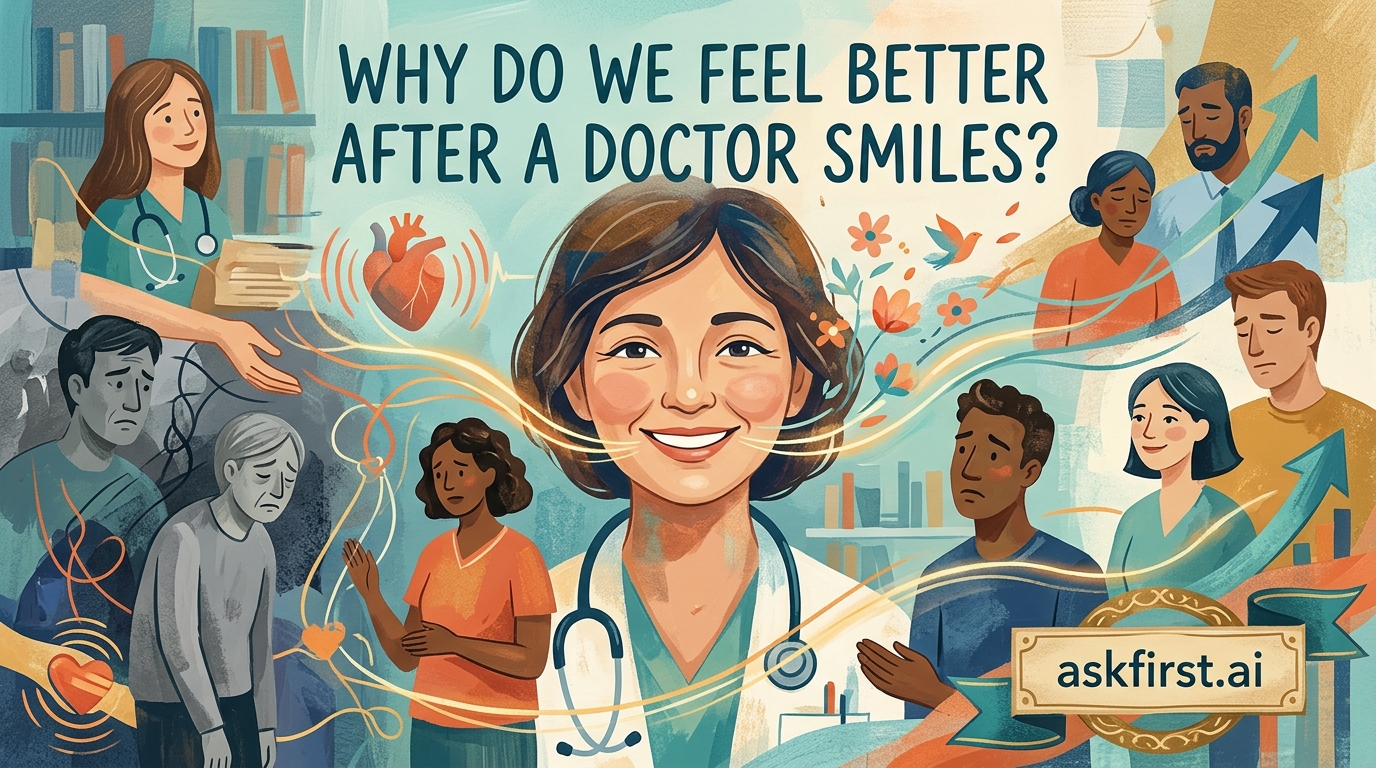
When a physician offers a warm, genuine smile, they are not merely performing a social nicety; they are engaging in a sophisticated biological interaction that directly impacts the patient's physiology. The phenomenon of feeling better after a doctor smiles is rooted in the complex interplay between neurobiology, evolutionary psychology, and the fundamental mechanics of the therapeutic alliance. This interaction initiates a cascade of chemical and psychological responses that can fundamentally alter the trajectory of a clinical encounter.
The Neurobiology of Social Connection
At the core of this experience lies the mirror neuron system. When a patient observes a smile, their brain mirrors the action, activating neural pathways associated with positive emotions. This process triggers the release of oxytocin, often referred to as the 'bonding hormone.' Oxytocin plays a critical role in reducing the levels of cortisol, the primary stress hormone responsible for the physiological 'fight or flight' response. As cortisol levels drop, the patient experiences an immediate decrease in anxiety, which has a secondary effect of lowering heart rate and stabilizing blood pressure.
The Placebo and Contextual Healing Effect
Beyond immediate hormonal shifts, a smile acts as a potent contextual cue. Medicine is not strictly defined by the mechanical intervention of a drug or procedure; it is deeply reliant on the context in which that intervention is delivered. A smiling practitioner signals safety, competence, and empathy. This signal serves to activate the brain's internal pharmacy—the endogenous opioid system. Research into the placebo effect has demonstrated that positive expectations and a sense of trust in a caregiver can induce the release of endorphins and dopamine, which act as natural analgesics. When a doctor smiles, the patient subconsciously interprets this as an indicator of a successful outcome, which serves to amplify these self-healing processes.
Building the Therapeutic Alliance
Communication experts highlight the importance of the therapeutic alliance, which is the collaborative bond between provider and patient. A smile is a powerful non-verbal tool for bridge-building. It breaks down the perceived power hierarchy, making the doctor seem more accessible and human. This shift in perception is essential for the following reasons:
- Increased Disclosure: Patients are significantly more likely to share accurate medical histories and concerns when they perceive the physician as approachable.
- Improved Adherence: Trust fostered through positive body language translates directly into higher rates of patient compliance with treatment plans.
- Reduced Defensive Mechanisms: A clinical environment is often perceived as threatening. A smile lowers these psychological barriers, allowing for more open communication.
Evolutionary Significance
From an evolutionary perspective, the ability to read facial expressions is a critical survival mechanism. Throughout human history, identifying a 'friend' versus a 'foe' was a matter of life or death. A genuine smile—one that engages the eyes (known as the Duchenne smile)—is universally recognized as a sign of safety. In a modern medical setting, this evolutionary hardwiring remains intact. The patient's subconscious brain evaluates the doctor's demeanor for threats; a smile deactivates the amygdala, the brain's fear center, thereby allowing the prefrontal cortex to function more effectively. This results in clearer decision-making and better information processing by the patient.
Evidence-Based Compassion in Clinical Practice
Many medical schools have begun integrating 'empathy training' into their curricula, recognizing that technical mastery is insufficient without the ability to connect. Studies published in journals like Academic Medicine have consistently shown that clinicians who display higher levels of empathy—manifested through non-verbal cues like smiling, eye contact, and attentive posture—achieve better clinical outcomes. This is not about superficial friendliness; it is about utilizing the science of human connection to optimize the environment for recovery. When a physician smiles, they are actively participating in the physiological regulation of the patient’s state, essentially prescribing a dose of social support that functions alongside traditional pharmacological interventions.
Conclusion: The Lasting Impact of Positivity
In conclusion, the 'smile effect' is a robust phenomenon backed by extensive research into human psychology and neurochemistry. It is a vital component of holistic care that fosters trust, reduces biological stress, and enhances the overall efficiency of the healing process. As medicine continues to advance technologically, the importance of these fundamental human interactions remains constant. A smile remains one of the most cost-effective and powerful therapeutic tools available to any practitioner, proving that the art of healing is just as vital as the science that underpins it.