The Evolutionary Basis of Sugar Cravings
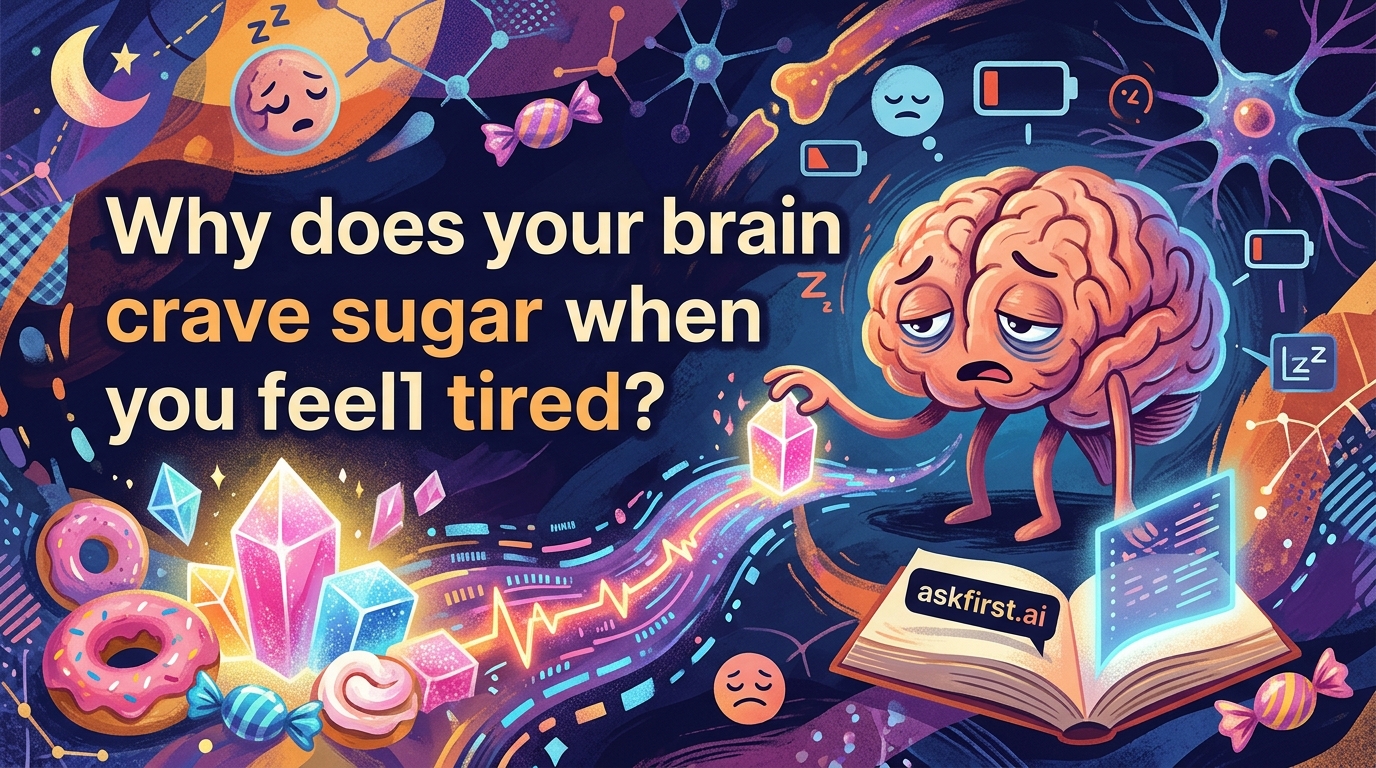
When fatigue sets in, the human brain often orchestrates a sudden, intense demand for sugar. This phenomenon is rooted in deep biological imperatives evolved over millions of years. To the primitive brain, sugar represented an immediate, high-density source of energy required for survival in environments where calories were scarce. When physical or mental exhaustion occurs, the brain interprets this state as a potential life-threatening emergency. By triggering a craving for glucose, the body attempts to secure a 'quick fix' to sustain essential physiological functions.
The Neurobiology of the Glucose Spike
At the center of this mechanism is the brain's reliance on glucose as its primary fuel source. While the brain accounts for only about 2% of body weight, it consumes roughly 20% of the body’s total energy. When cognitive load is high or sleep is insufficient, energy stores become depleted, triggering the hypothalamus—the command center for hunger—to signal the need for carbohydrates. Consuming sugar leads to a rapid spike in blood glucose, which the brain perceives as a reward. This process activates the brain’s mesolimbic pathway, the same reward system involved in drug addiction, releasing dopamine and providing an immediate sense of relief and alertness. This 'dopamine hit' reinforces the behavior, making sugar a go-to coping mechanism for stress and fatigue.
The Vicious Cycle: The Blood Sugar Rollercoaster
While sugar provides a momentary boost, it inevitably leads to a crash. Once glucose levels rise, the pancreas releases insulin to shuttle that sugar into the cells. This rapid transition often leads to hypoglycemia—a subsequent dip in blood sugar—which leaves the individual feeling even more tired than before. This phenomenon, often termed the 'sugar crash,' forces the brain to initiate another cycle of craving. Over time, this chronic cycle can desensitize the brain’s reward centers, requiring higher quantities of sugar to achieve the same perceived boost in alertness.
Psychological Factors and Emotional Eating
Beyond basic physiology, emotional states play a pivotal role in sugar cravings. When a person is tired, willpower and cognitive control—functions primarily governed by the prefrontal cortex—are significantly compromised. In this weakened state, the impulsive, emotional centers of the brain take over. This makes it substantially harder to resist cravings that one might easily dismiss when fully rested. Sugar becomes a form of 'self-medication' for the emotional discomfort caused by fatigue and the resulting irritability.
Modern Environment vs. Ancestral Biology
Modern humans are equipped with an ancestral brain that is poorly adapted to a world of processed, sugar-rich foods. In the natural world, sugar was rarely found in concentrated forms. Today, the ubiquity of refined sugar makes it far too easy to fulfill these evolved cravings. The brain is not 'wired' to stop at a single square of chocolate; it is wired to seek out enough calories to survive a winter or a famine. Consequently, when fatigue strikes in an office environment, the brain demands a caloric surplus, resulting in energy dysregulation and long-term health challenges.
Strategies to Manage Tiredness Without Sugar
Understanding that these cravings are a biological reaction rather than a character flaw is the first step toward effective management. To mitigate these urges when tired, consider the following evidence-based approaches:
- Prioritize Complex Carbohydrates: Opt for foods with low glycemic indices, such as whole grains, legumes, or fibrous vegetables. These provide a slow, steady release of energy rather than a sharp spike.
- Hydration: Fatigue is often misidentified as hunger. Increasing water intake can improve cognitive function and reduce the intensity of false hunger signals.
- Strategic Protein Intake: Consuming protein with fiber-rich fats helps stabilize blood sugar, providing satiety that prevents the frantic, sugar-seeking behavior of the brain.
- The Power Nap: A brief 15-to-20-minute rest can reset the brain's energy demands more effectively than a candy bar, avoiding the metabolic pitfalls of a glucose crash.
- Mindfulness Practices: Recognizing the sensation of fatigue as a biological signal rather than an emotional void can help break the reactive cycle of sugar consumption.
Conclusion
The brain’s craving for sugar when tired is an ancient, involuntary survival mechanism. By transitioning away from simple sugars and embracing consistent, nutrient-dense energy sources, individuals can effectively bypass this primal urge. Achieving mastery over these biological signals allows for sustained focus and vitality, independent of the volatile fluctuations of refined glucose.