The Psychology of Parasocial Relationships
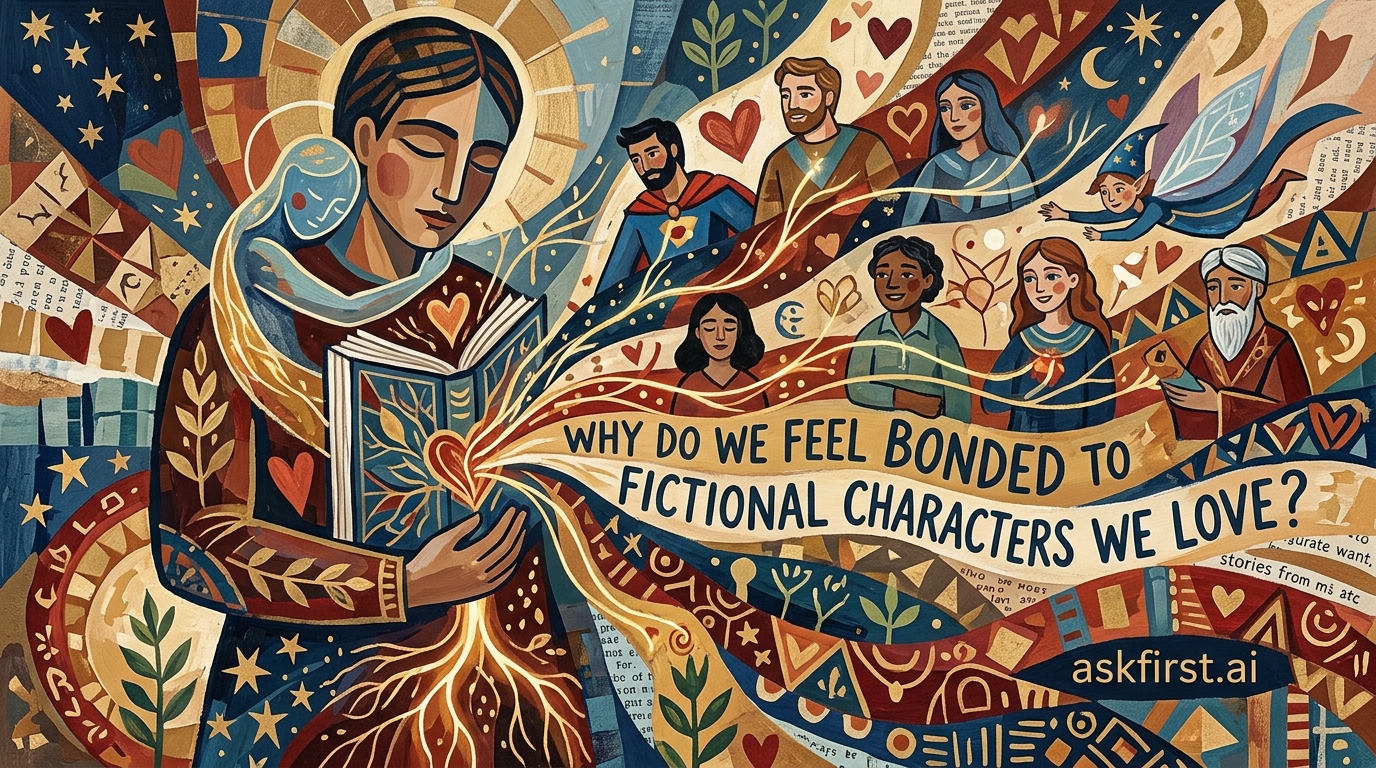
Human beings are fundamentally social animals, evolved to exist in groups and navigate complex interpersonal dynamics. When we engage with media—whether books, films, or interactive digital narratives—the brain does not always distinguish between real-world social interaction and simulated ones. This phenomenon, known as parasocial interaction, describes the one-sided relationships individuals form with media figures. Even when the audience understands that a character is a construct, the brain utilizes the same neural architecture to process them as it does for real-world peers.
The Mirror Neuron System and Empathy
At the core of this bonding is the Mirror Neuron System (MNS). When witnessing a character face a dilemma or experience an emotion, mirror neurons in the brain fire as if the viewer were experiencing the situation themselves. This is not just 'imagination'; it is a biological simulation of the character's lived reality. When a character feels grief, the viewer feels a sympathetic tug; when a character succeeds, the viewer experiences a dopamine release linked to social triumph. This mirroring effect creates a bridge of intimacy that bypasses the screen or the page, forging a genuine neurological bond.
The Role of Narrative Transportation
Narrative transportation is a psychological state where an individual becomes so immersed in a story that their awareness of the external world diminishes. During this process, the character becomes a surrogate companion. Research suggests that high levels of transportation lead to 'real-world' belief changes and emotional attachment. As the character evolves, the reader grows alongside them, essentially 'living' a life that provides companionship without the social risks or complexities inherent in physical human relationships. This provides a safe space for psychological exploration.
Why the Brain Accepts the Illusion
- Cognitive Efficiency: The brain prefers shortcuts. By treating characters as 'known' entities, it saves energy in predicting social outcomes within the narrative.
- The Exposure Effect: The more time spent with a character, the more the brain views them as 'familiar,' leading to an increase in affection—a classic psychological phenomenon known as the Mere Exposure Effect.
- Idealized Companionship: Real-world humans have flaws and unpredictable moods. Fictional characters are static, consistent, and predictable. They are available whenever the audience needs them, fulfilling a psychological need for consistency that real-world relationships may temporarily lack.
The Evolutionary Perspective: Narrative as Survival
From an evolutionary standpoint, the ability to learn from stories is a survival mechanism. By bonding with characters, humans effectively 'rehearse' social strategies. If a character navigates a difficult betrayal or a moral crisis, the viewer 'learns' from these outcomes through observation. We feel bonded to them because, in a primal sense, they serve as tribal members from whom we are gathering crucial life lessons. We treat them as part of our cognitive tribe to better process the complexities of human existence.
The Impact of Modern Digital Storytelling
In the era of long-form television, serialized storytelling, and interactive games, this bonding has intensified. Unlike a two-hour film, a series spanning hundreds of hours allows for 'relationship maturation.' The audience sees characters through multiple stages of life, creating a sense of 'shared history.' This longitudinal interaction is the gold standard for parasocial bonding. When a show ends, the feeling of loss is legitimate, mirroring the grief of losing a real friend, because the brain has encoded the memory of the character into the same regions responsible for episodic, long-term personal relationships.
Summary: A Beneficial Psychological Scaffold
Bonding with fictional characters is not a sign of social withdrawal or psychological maladaption. On the contrary, it is a testament to the flexibility of the human emotional apparatus. It allows individuals to expand their empathy, explore varied moral landscapes, and find comfort in times of isolation. These relationships provide a structured, enriching landscape for the human mind to practice social connectivity, emotional processing, and cognitive reflection. As long as humans have the capacity for empathy and the need for narrative, fictional figures will remain a vital, albeit invisible, part of our social ecosystem, serving as mentors, friends, and reflections of the best—and most complex—parts of our own identities.