The Psychology of Parasocial Bonds
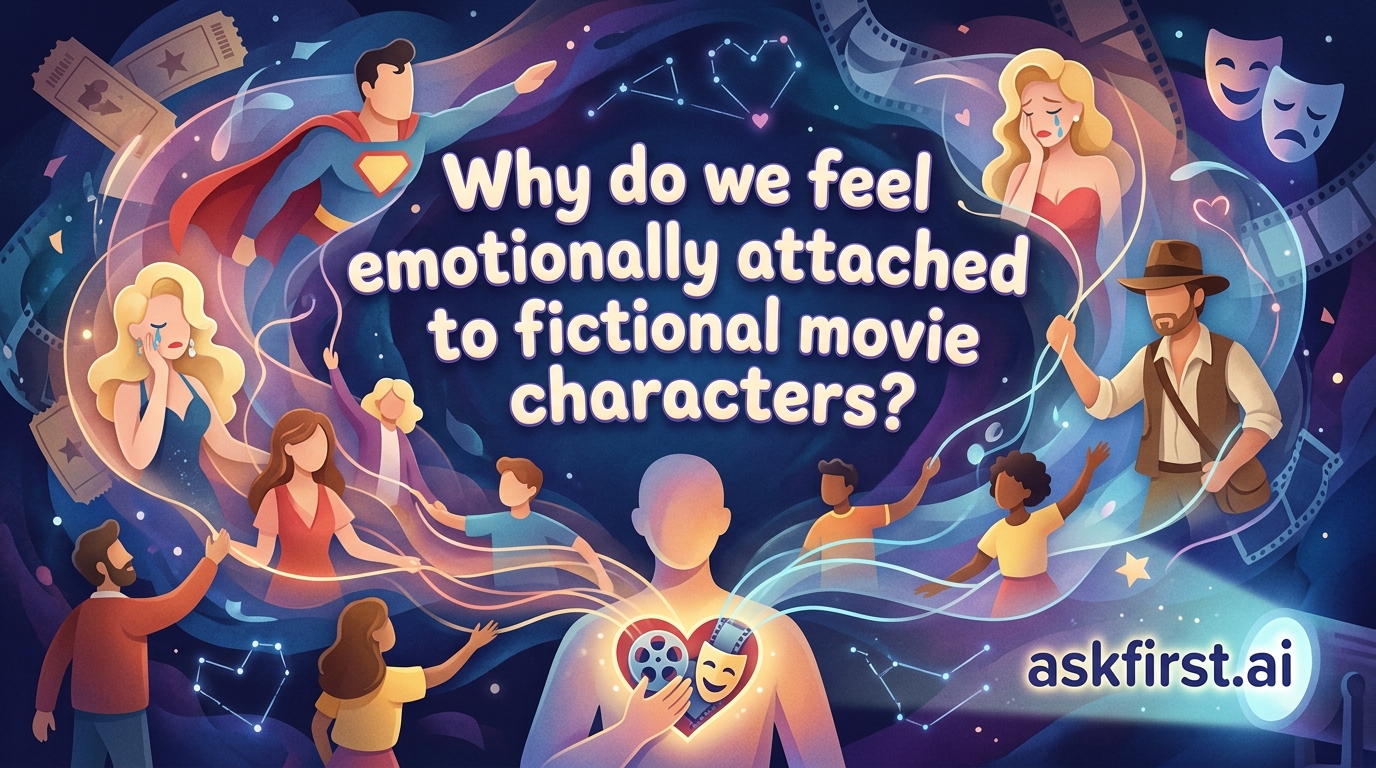
The phenomenon of feeling genuine emotional attachment to fictional characters is a cornerstone of human psychology, deeply rooted in our evolutionary history and cognitive architecture. While logic dictates that these individuals are constructs of script, lighting, and performance, the human brain often struggles to distinguish between simulated social reality and actual human interaction. This experience is known as a parasocial relationship, a one-sided bond where one party knows everything about the other, while the other remains entirely unaware of the viewer's existence.
The Role of Mirror Neurons
At the core of this attachment lies a specialized class of brain cells known as mirror neurons. These neurons fire both when an individual performs an action and when they observe someone else performing the same action. When a movie character undergoes a traumatic breakup, wins a grand prize, or experiences a moment of profound joy, the viewer's brain simulates these experiences neurologically. By 'mirroring' the internal state of the character, the audience undergoes a form of emotional mimicry. This physiological engagement bridges the gap between the screen and the viewer, fostering a sense of empathy that mirrors the complexity of real-world interpersonal relationships.
Narrative Transportation and Immersion
Narrative transportation is a mental state where viewers become completely absorbed in a story, effectively detaching from their physical surroundings. During this state, the 'Need for Cognition'—our desire to evaluate and challenge information—is lowered. Instead, the brain prioritizes emotional integration. Research suggests that when individuals are highly transported into a film, their existing beliefs and emotional defenses become permeable. Characters often become avatars through which we explore our own lives, allowing us to practice emotional responses in a safe, controlled environment. This is why watching a character overcome adversity can feel personally healing; it provides a blueprint for resilience that we unconsciously adopt.
Evolutionary Social Drives
Humans are hardwired for social connection. For most of evolutionary history, our survival depended on understanding the motivations, intentions, and emotions of those in our immediate group. In the modern age, the brain has repurposed these social cognition systems to navigate the fictional world. Because our brains did not evolve to differentiate between a tribal member and a character on a screen, we instinctively 'track' them as social partners. When a character is well-written—possessing consistent traits, recognizable flaws, and clear goals—our social brain tags them as a 'known quantity,' triggering the same hormonal rewards, such as oxytocin release, associated with deep trust and bonding.
The Role of Projection and Self-Identification
Attachment is often driven by the 'idealized self.' Many viewers develop deep affinities for characters who possess traits they wish to cultivate or who echo aspects of their own hidden identities. This is a form of psychological projection. By witnessing a character interact with their world, the viewer confirms or challenges their own values and self-perception. Key factors contributing to this bond include:
- Relatability: The character faces dilemmas that feel universal, such as the search for belonging or the struggle for autonomy.
- Cognitive Consistency: When a character behaves predictably based on established motives, it provides a sense of psychological safety.
- Emotional Availability: Films provide intimacy that is rare in real life, allowing us to see the most private, vulnerable moments of a character's life.
Why This Connection Lasts
Unlike real-world relationships, which are subject to the volatility of external life and potential betrayal, fictional relationships are static and reliable. A beloved character will never change their personality, abandon the viewer, or grow distant. They exist in a state of 'perpetual availability.' For many, this makes fictional characters a reliable source of comfort during periods of loneliness or stress.
Conclusion: The Gift of Fiction
Ultimately, the ability to bond with fictional characters is not a weakness or a delusion; it is a testament to the sophistication of the human mind. Our capacity for empathy is so vast that it extends beyond the biological constraints of our immediate circle to embrace narratives and archetypes. By engaging with these characters, we gain a wider perspective on the human condition, learning to navigate the complexities of life through the vicarious experiences provided by cinema. Whether we recognize it or not, these characters help shape who we are, serving as digital companions who contribute to our emotional growth and self-understanding.