The Psychology of Vulnerability and Connection
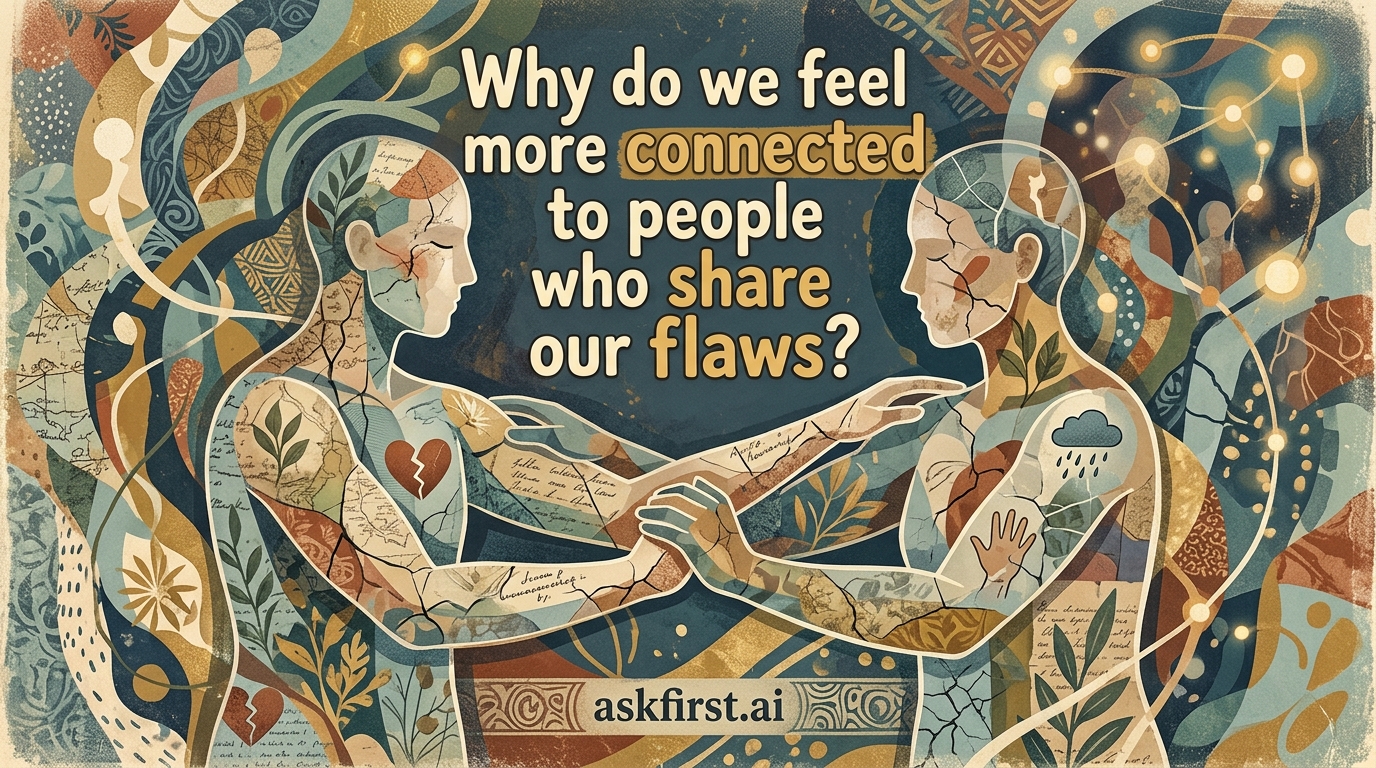
Human connection is one of the most complex psychological phenomena, yet its roots are often found in the most unexpected places: our perceived shortcomings. The 'Pratfall Effect,' a term coined by psychologist Elliot Aronson in 1966, suggests that individuals who appear highly competent but exhibit occasional flaws are perceived as more likable than those who appear perfect. This paradox exists because perfection often triggers an innate sense of distance or even threat, while shared imperfections foster a sense of 'sameness' that is essential for social bonding.
The Mechanism of Relatability
When someone displays a flaw, they effectively strip away the barrier of social performance. In a world increasingly curated by digital perfection, seeing another person struggle with the same insecurities creates a psychological shortcut to trust. This is known as 'vulnerability-based connection.' When individuals hide their flaws, others remain guarded, sensing an artificial barrier. Conversely, showing a flaw acts as a signal of safety. It communicates, 'I am human, just like you,' which lowers the defense mechanisms of the observer. This process involves the mirror neuron system, which helps us empathize with the struggles of others, making shared flaws a bridge for authentic rapport.
Why Perfection Fails to Engage
Perfection is inherently isolating. It establishes a hierarchy, placing the perfect individual above others, which naturally creates a gap. Research in social psychology indicates that people often feel intimidated by 'perfect' peers. This leads to an 'upward social comparison,' which frequently results in feelings of inadequacy rather than admiration. By contrast, shared flaws allow for 'downward' or 'lateral' social comparison, which is psychologically comforting. It reduces the stress of performance anxiety and allows the relationship to move from a transaction of status to an exchange of genuine human experience.
The Science of 'Beautiful Messes'
There is a profound sense of relief in discovering that someone else shares our irrational habits, minor social blunders, or internal struggles. This is described in various studies as 'reciprocal vulnerability.' When one party lowers their guard, the other feels emboldened to do the same. This creates an upward spiral of trust. Consider the following key drivers of this connection:
- Reduced Social Evaluation: Knowing someone has flaws reduces the fear of being judged, as the other person has already signaled their own fallibility.
- Increased Empathy: We find it easier to support those whose lives mirror our own complications, as we have already developed the cognitive tools to handle those difficulties.
- Authenticity Signaling: In evolutionary terms, honesty about limitations was a survival strategy; it signaled that one was part of the collective rather than a deceptive predator.
Practical Applications for Building Relationships
Understanding the power of flaws does not mean one should intentionally sabotage one's success or act incompetent. Rather, it suggests that transparency is a superpower. In professional and personal environments, the willingness to acknowledge a mistake or share a minor insecurity—such as being nervous before a presentation—can actually increase a leader's charisma and influence. This is often referred to as 'humble leadership,' where the recognition of shared human struggle creates a stronger team identity.
Conclusion: The Glue of Humanity
Ultimately, the bond formed through shared flaws is a fundamental aspect of human resilience. We do not connect with others through our trophies or our flawless resumes, but through the stitches in our character. These 'cracks' allow the light of connection to pass through, creating a shared understanding that is more robust than any superficial association. By embracing our imperfections, we invite others to stop performing and start living, effectively turning our vulnerabilities into the very glue that holds our relationships together.