The Invisible Influence of Olfactory Bonds
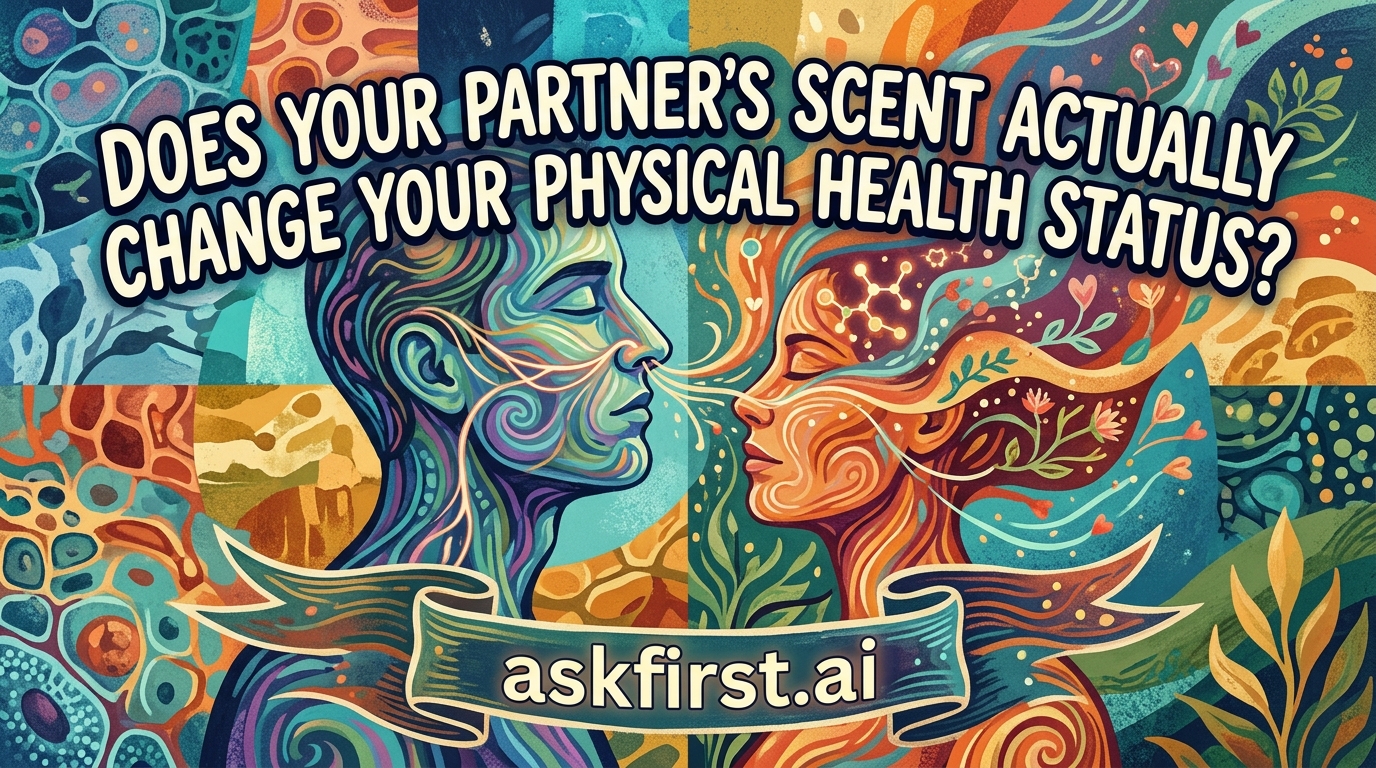
The human sense of smell is frequently underestimated, often relegated to the background while vision and hearing dominate the conscious experience. However, emerging research in neurobiology and behavioral endocrinology suggests that the scent of a romantic partner acts as a potent, subconscious chemical signal capable of modulating human physiology. This phenomenon is rooted in the ancient evolutionary development of the olfactory system, which bypasses the thalamus to connect directly with the limbic system, the seat of memory and emotion.
The Cortisol Connection
One of the most compelling findings in recent scientific literature concerns the reduction of stress markers through olfactory exposure. A landmark study conducted at the University of British Columbia demonstrated that when individuals were exposed to the scent of their romantic partner, their levels of cortisol—the primary stress hormone—decreased significantly compared to those exposed to a stranger's scent or no scent at all. This suggests that the olfactory signature of a partner acts as an 'emotional buffer,' lowering physiological reactivity to stressors.
- The Mechanism: When the olfactory bulb detects familiar, partner-specific pheromones or volatile organic compounds, it sends excitatory signals to the amygdala and hypothalamus. This neural pathway facilitates the downregulation of the hypothalamic-pituitary-adrenal (HPA) axis, promoting a state of calm.
- Health Implications: Chronic high cortisol is associated with immunosuppression, cardiovascular strain, and metabolic dysfunction. By consistently lowering these levels, the presence of a partner's scent may contribute to long-term systemic resilience.
Pheromones and the Immune System
Beyond stress management, scent plays a role in immunological compatibility. Theories surrounding the Major Histocompatibility Complex (MHC) suggest that humans are biologically predisposed to prefer the scents of individuals whose immune genes differ from their own. This is not merely a matter of preference but a biological imperative to optimize the immunological health of potential offspring. By subconsciously identifying a partner with complementary immune markers, the body may experience a stabilization of its own inflammatory markers.
Psychological Comfort as Biological Fuel
There is a critical distinction between psychological comfort and its physiological manifestation. When a partner’s scent triggers memories of security and attachment, the body undergoes a series of homeostatic shifts:
- Vagal Tone Regulation: Consistent exposure to calming scents can enhance vagal tone, which is associated with improved heart rate variability (HRV). Higher HRV is a hallmark of cardiovascular health and adaptability.
- Endorphin Release: The detection of 'safe' scents encourages the release of beta-endorphins, which are natural painkillers and mood enhancers produced by the pituitary gland.
- Oxytocin Modulation: Often dubbed the 'love hormone,' oxytocin production can be stimulated by sensory cues, including scent, which further solidifies the bond and reduces blood pressure.
The Role of Environmental Scent Memory
It is important to acknowledge that the effect of a scent is deeply mediated by associative learning. If a scent is linked to positive interactions, it becomes a biological cue for safety. This learned response is so powerful that it can influence sleep architecture. Studies have shown that sleeping with a partner's worn clothing or scented item can increase sleep duration and decrease instances of nocturnal wakefulness. Because sleep is a critical pillar of physical health—facilitating cellular repair and cognitive restoration—the indirect impact of scent on sleep quality provides a massive boost to general physical status.
Caveats and Considerations
While the science is compelling, it is not a cure-all. Individual sensitivity to smells varies greatly based on genetics, age, and exposure to environmental toxins. Furthermore, if a relationship involves high levels of interpersonal conflict, a partner's scent may eventually trigger a stress response rather than a soothing one due to negative association conditioning. The 'health-promoting' nature of the scent is contingent upon the psychological security of the bond.
Conclusion
The intersection of olfactory biology and human relationship dynamics provides a fascinating insight into our physical health. We are far more connected to our partners on a chemical level than we perceive. The scent of a loved one is not just a pleasant fragrance; it is a bio-signal that communicates safety to our primitive brain, reduces systemic stress, improves sleep, and supports emotional regulation. By understanding these subtle cues, individuals can better appreciate the biological support system provided by healthy, secure relationships. As science continues to map the pathways between the nose and the endocrine system, we are likely to discover even more ways in which our environments—and the people within them—physically shape our wellbeing.