The Biological and Psychological Interplay of Attraction
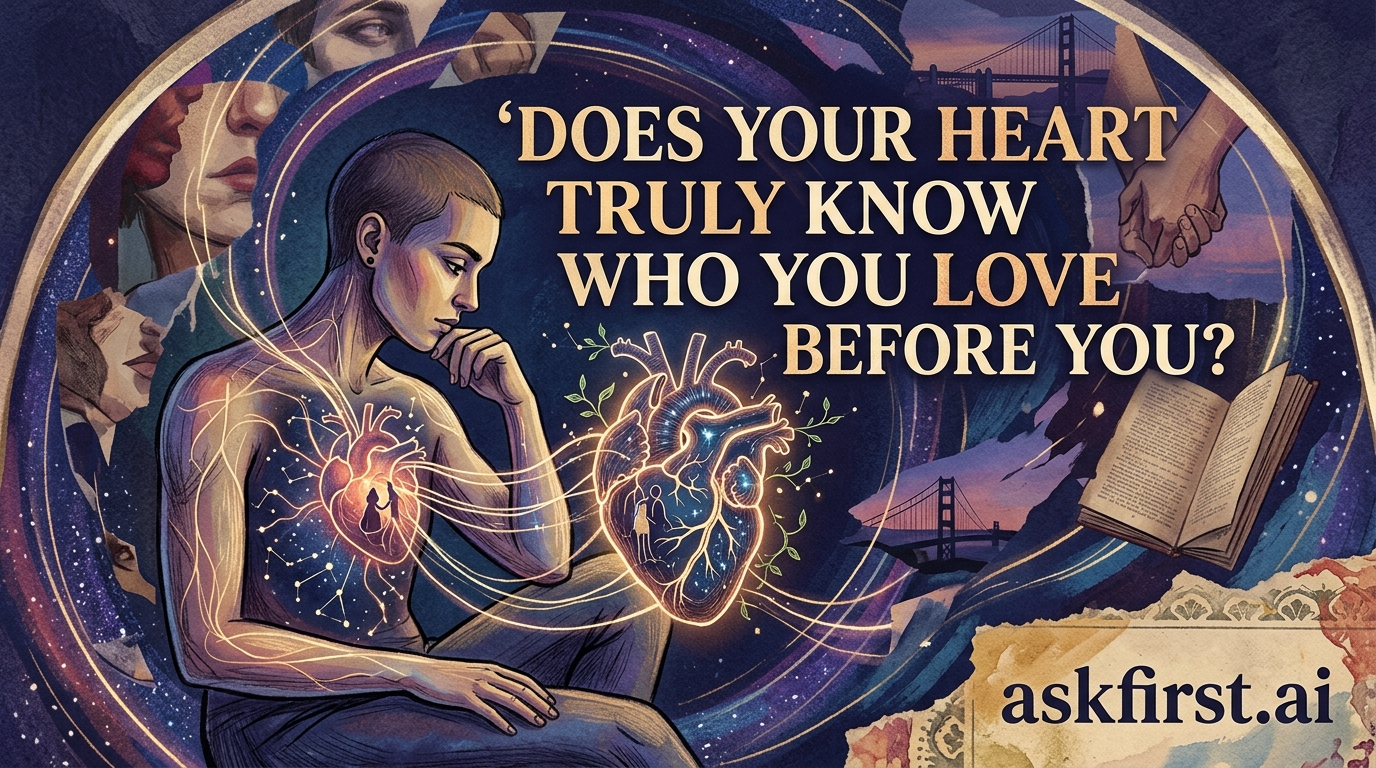
The phenomenon often described as the heart knowing who one loves before the conscious mind catches up is a subject of profound interest in neurobiology and evolutionary psychology. Far from being a mystical process, this "knowing" is the result of rapid-fire subconscious data processing that occurs in the brain, often bypassing the executive functions of the frontal lobe. When an individual encounters a potential partner, the brain’s limbic system—specifically the amygdala and the hypothalamus—begins evaluating compatibility, survival traits, and biological fitness in a matter of milliseconds. This rapid assessment is why people often report a "gut feeling" or an immediate, inexplicable attraction that the rational mind cannot immediately explain.
The Role of Subconscious Processing
Research indicates that human beings are constantly scanning their environment for social cues, pheromonal signals, and facial symmetry. These data points are processed at a subconscious level to determine potential compatibility based on evolutionary survival markers. By the time the conscious brain articulates "I think I like this person," the physiological cascade of neurotransmitters like dopamine, oxytocin, and norepinephrine has already initiated. This creates a state of heightened awareness, commonly referred to as the "spark." It is the disconnect between this physiological surge and the subsequent rationalization by the prefrontal cortex that creates the illusion that the heart possesses its own independent intelligence.
Theoretical Frameworks: The Science of Affection
- Neurochemical Signaling: The release of phenylethylamine (PEA) acts as a natural amphetamine, heightening the emotional response long before the individual has formed a coherent thought about the other person. This is frequently cited as the biological basis for love at first sight.
- Evolutionary Psychology: Evolutionary models suggest that human attraction is filtered through an innate search for genetic health and social cooperation. The brain identifies markers of health and safety through visual inputs, triggering an instinctive attraction before the conscious mind can weigh external factors like career or social status.
- Cognitive Dissonance: When the subconscious detects an attraction that the conscious mind ignores due to societal or situational constraints, it creates cognitive dissonance. The feeling of the "heart knowing first" is often simply the tension between these two competing systems.
Distinguishing Intuition from Impulse
While the heart may seem to lead, it is critical to differentiate between true intuitive insight and impulsive attraction. Intuition is often described by psychologists as the accumulation of past experiences distilled into a quick, non-verbal judgment. When someone feels they have found "the one" instantly, they are often unconsciously matching traits from past, positive social interactions or archetypal expectations. This is a pattern-recognition task performed by the brain's associative regions. If an individual encounters someone who fits a pre-existing internal map of a desirable partner, the brain triggers a reward response before the person has even finished speaking their first sentence.
The Future of Attachment Science
As neuroscience advances, the understanding of this phenomenon is moving away from the metaphor of the "heart" and toward a granular understanding of neural networks. The "heart knowing first" is, in essence, the brain’s ability to conduct a rapid audit of social data. This process ensures that individuals do not waste time deliberating on every single encounter but rather focus their energy where their subconscious has already identified a high probability of successful attachment.
Key Takeaways for Understanding Attraction
- Trust the Initial Pulse: While not always accurate, the initial surge of attraction is a reliable indicator of subconscious interest.
- Rational Verification: Use the period after the initial spark to engage the prefrontal cortex. This allows for a balance between biological impulse and long-term logical compatibility.
- Recognize Patterns: Acknowledge that "knowing" often stems from recognizing familiar emotional or physical patterns that the brain associates with safety and excitement.
In conclusion, the heart does not possess a separate biological intelligence, but it is the epicenter of the intense physiological response that precedes cognitive awareness. The feeling of love occurring "before the mind" is the reality of human biological design, ensuring that emotional connection remains a deeply visceral experience that bridges the gap between instinct and conscious choice. Understanding this interaction empowers individuals to navigate relationships with both passion and foresight.