The Science of Physiological Synchrony: Heart-to-Heart Alignment
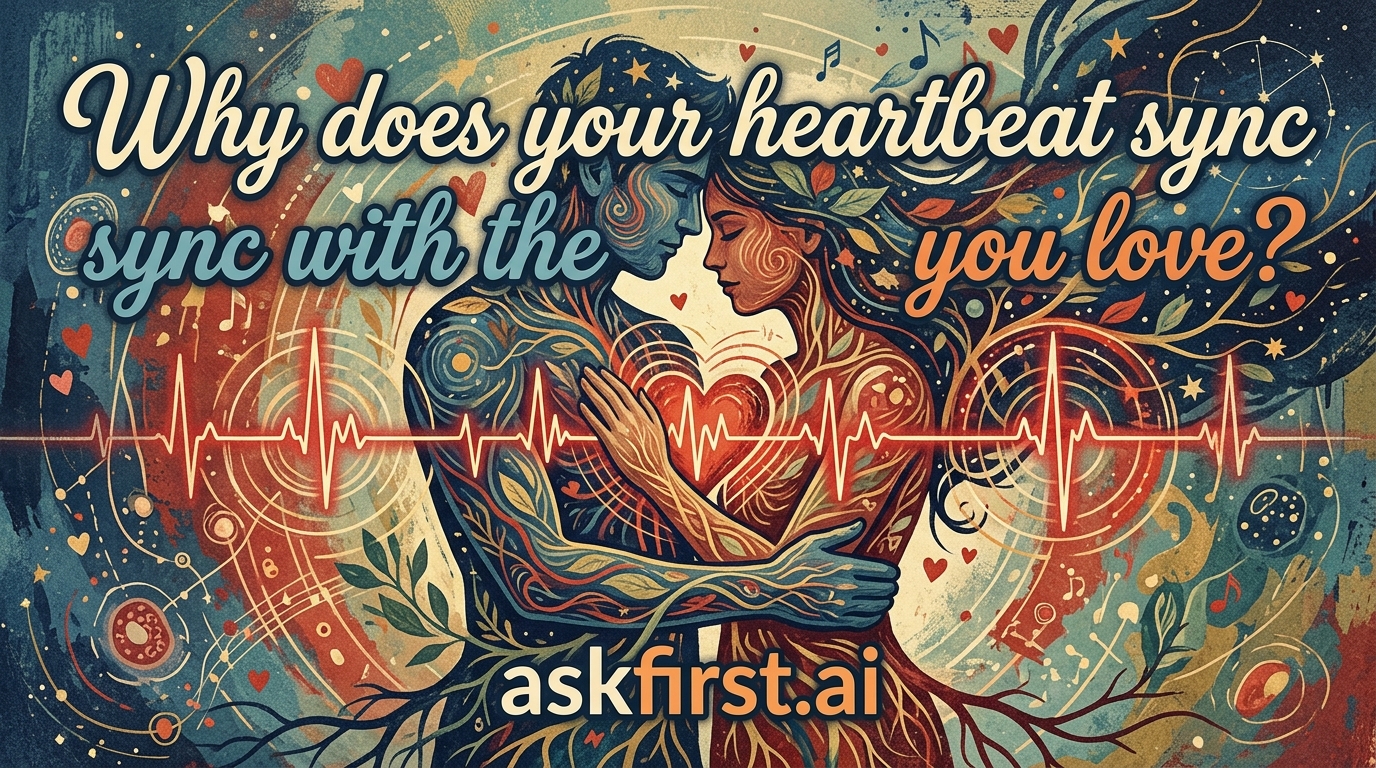
Recent advancements in physiological research have uncovered a profound biological phenomenon: when two people who share a deep emotional bond sit in close proximity, their heart rates, respiratory patterns, and even skin conductance levels often begin to mirror one another. This occurrence, frequently termed physiological synchrony, suggests that human connection operates on a frequency that transcends mere verbal communication. It is a biological testament to the reality that we are social creatures hardwired for connection.
The Mechanism of Bio-Synchrony
At the core of this phenomenon is the autonomic nervous system (ANS). The ANS controls involuntary bodily functions, including heart rate and breath rhythm. When two individuals form an intense emotional attachment, their mirror neurons—specialized cells in the brain that activate both when performing an action and when observing another performing that same action—become highly sensitized to the partner's cues. Through subtle non-verbal signals, such as micro-movements, gaze patterns, and unconscious rhythmic matching of breath, the brain regulates the physiology of both parties to align.
- The Vagus Nerve Role: The vagus nerve is the primary conduit for the parasympathetic nervous system, which regulates heart rate. In intimate partners, the vagal tone can modulate through shared presence, acting as a calming agent that brings both hearts into a rhythmic dance.
- Neurochemical Exchange: Oxytocin, often called the 'love hormone,' plays a pivotal role. Released during physical touch or eye contact, it fosters trust and reduces cortisol levels, creating a fertile environment for heart rate deceleration and alignment.
Why This Phenomenon Persists
Evolutionary biology posits that synchronization is a survival mechanism. In ancestral times, the ability to 'read' a companion's physical state allowed for heightened collective vigilance and emotional regulation. If a partner’s heart rate accelerated due to perceived danger, the other’s body would subconsciously respond, preparing for 'fight or flight' even before the threat was clearly identified. In modern romantic contexts, this has evolved into a mechanism of empathy and emotional co-regulation.
The Role of Emotional Co-Regulation
Relationships serve as an external emotional regulatory system. When one partner is stressed, the 'synced' partner may subconsciously detect this shift in rhythm and adjust their own physiological state to provide a grounding effect. This is not mere coincidence; it is an active, ongoing negotiation of energy. Studies published in journals like Frontiers in Physiology indicate that couples who display higher levels of physiological synchrony often report greater relationship satisfaction and stability.
Debunking Myths and Clarifying Reality
It is important to note that this is not a mystical connection but a quantifiable, observable physiological event. It does not mean partners are 'reading each other's minds' in a psychic sense. Rather, it is the cumulative result of thousands of micro-observations made by the brain every second. The brain is an expert at pattern recognition, and when it recognizes a deeply familiar rhythm in a partner, it prioritizes mimicking that rhythm to deepen the state of rapport.
Factors Influencing Synchrony
Several key factors determine the intensity of heart-rate syncing:
- Emotional Intimacy: The depth of the emotional bond dictates the level of neuronal mirror activation. The more secure the attachment, the stronger the potential for synchrony.
- Proximity and Touch: While synchrony can happen across a room through gaze, physical contact acts as an amplifier, allowing for faster physiological entanglement.
- Stress Levels: If one partner is in a high-stress state, they may 'pull' the other into that rhythm, which serves as both a sign of empathy and a potential challenge for the couple to navigate together.
The Takeaway for Human Connection
Understanding heart rate synchronization provides a new lens through which to view intimacy. It reminds us that our physical bodies are constantly participating in a dialogue with those we love. Even in moments of silence, our hearts are speaking the language of connection. This phenomenon underscores the biological importance of face-to-face interaction, suggesting that the digital age’s reliance on screen-mediated communication may lose the critical rhythmic resonance that physical presence provides.
In conclusion, the synchronization of heartbeats between lovers is a marvel of human evolution. It is a biological reminder that love is not just a sentiment housed in the mind, but a somatic reality that permeates every beat of the heart. By fostering physical closeness and emotional safety, individuals can facilitate this beautiful, rhythmic harmony that defines the essence of human love.