The Psychology of Vulnerability and Connection
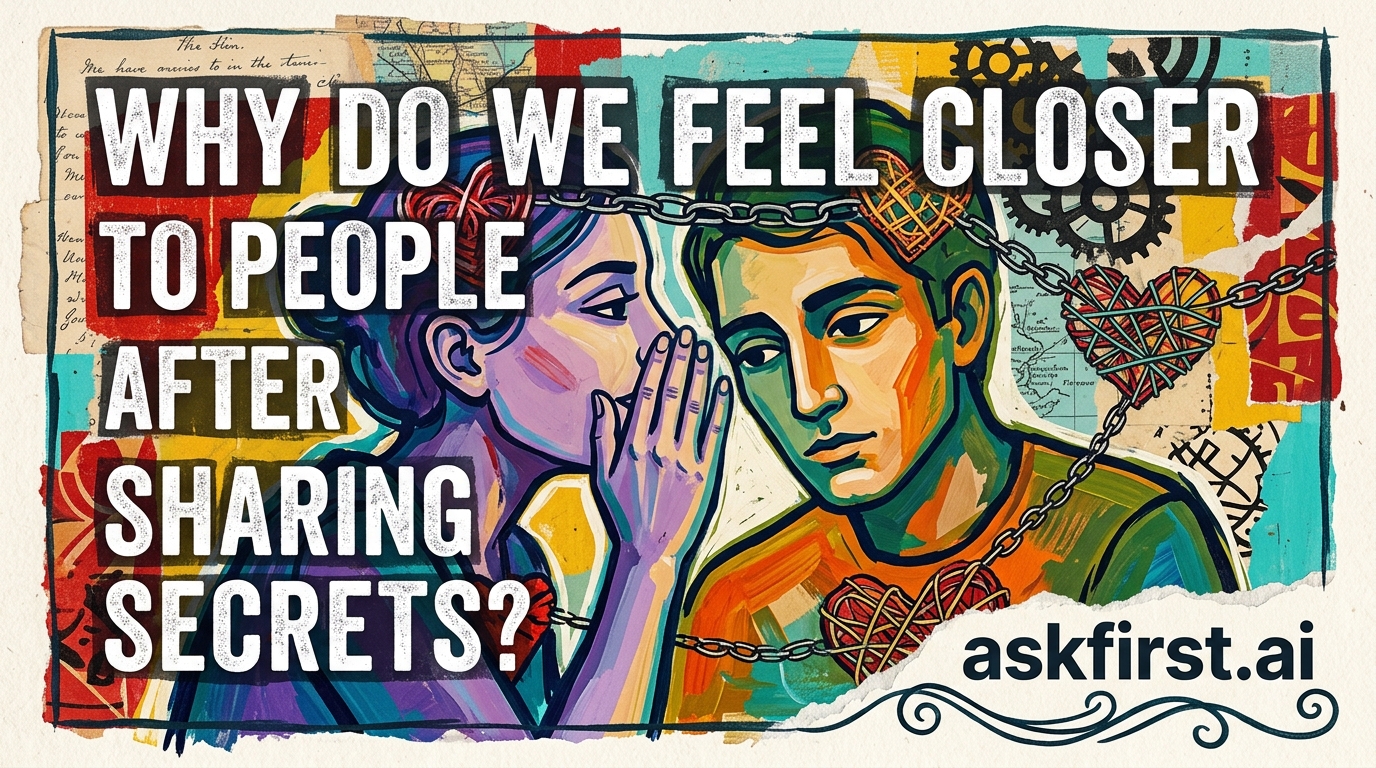
Human connection is fundamentally rooted in the exchange of information. When individuals share secrets, they engage in a psychological process known as self-disclosure. This act acts as a catalyst for intimacy, bridging the gap between two independent minds. According to the Social Penetration Theory, developed by psychologists Irwin Altman and Dalmas Taylor, relationships progress through a process of increased disclosure, moving from superficial outer layers to the private, core inner self. Sharing a secret acts as an accelerating agent in this process, signaling deep trust and mutual reliance.
The Neurobiology of Shared Intimacy
When a person reveals a hidden part of themselves, the brain undergoes a complex chemical shift. The act of trusting another person triggers the release of oxytocin, often dubbed the 'bonding hormone.' This neuropeptide plays a critical role in social recognition and establishing long-term bonds. By lowering the psychological barriers between two people, oxytocin reduces fear and increases feelings of empathy. When a secret is shared, the receiver often feels honored, which in turn stimulates their own reward centers in the brain, reinforcing the positive feedback loop of the budding friendship.
Reciprocity: The Unspoken Social Contract
Central to the strengthening of bonds through secrets is the Norm of Reciprocity. When an individual reveals a vulnerability, the listener feels a social obligation to offer a disclosure of similar weight in return. This 'dyadic effect' creates a symmetrical relationship dynamic. If the reciprocity remains balanced, both parties experience a heightened sense of safety and perceived similarity. Research published in the Journal of Personality and Social Psychology suggests that this back-and-forth exchange is one of the most reliable predictors of relational satisfaction.
The Power of Vulnerability
Brene Brown, a leading researcher on vulnerability, argues that intimacy requires the courage to be imperfect. By sharing a secret, an individual removes the 'mask' they wear for the outside world. This creates a powerful 'curiosity gap' that is filled by the listener's acceptance. When the listener reacts with empathy rather than judgment, the bond is solidified through validational reinforcement. The fear of being exposed is replaced by the relief of being accepted, which is an intensely satisfying emotional outcome for the human psyche.
Structural Benefits of Secret Sharing
- Reduced Cognitive Load: Keeping a secret requires constant mental energy. Sharing it offloads the emotional burden to a partner, reducing stress levels.
- Increased Predictability: Understanding the 'inner life' of another person allows for better anticipation of their needs and reactions.
- Strengthened Identity: People often understand their own secrets better after speaking them aloud to a trusted individual, which improves personal self-concept.
- Emotional Cohesion: A shared secret acts as a private 'in-group' marker, distinguishing the pair from others and fostering a sense of unique team cohesion.
Avoiding the Perils: When Sharing Backfires
It is essential to note that secret sharing is not a universal panacea for connection. If the disclosure is poorly timed, too intense for the current level of relationship, or if the listener fails to provide empathetic validation, the result can be 'disclosure distress.' This occurs when the vulnerability is met with coldness or indifference, leading to immediate emotional withdrawal. Therefore, successful bonding through secrets requires a calibrated approach: test the waters with smaller disclosures before moving to deep, core-level secrets.
Summary of the Mechanism
Ultimately, the 'closeness' felt after sharing a secret is a byproduct of human evolution. We are hardwired to form tribes to ensure survival. Revealing secrets is a biological signal that says, 'I am not a threat, and I trust you with my vulnerabilities.' This signal effectively bypasses the usual social defenses, leading to a profound sense of camaraderie and psychological safety. Whether it is a childhood memory or an unspoken ambition, the willingness to be transparent remains the primary architect of lasting, meaningful human relationships in every culture and every era.