The Biological Marvel of Laughter
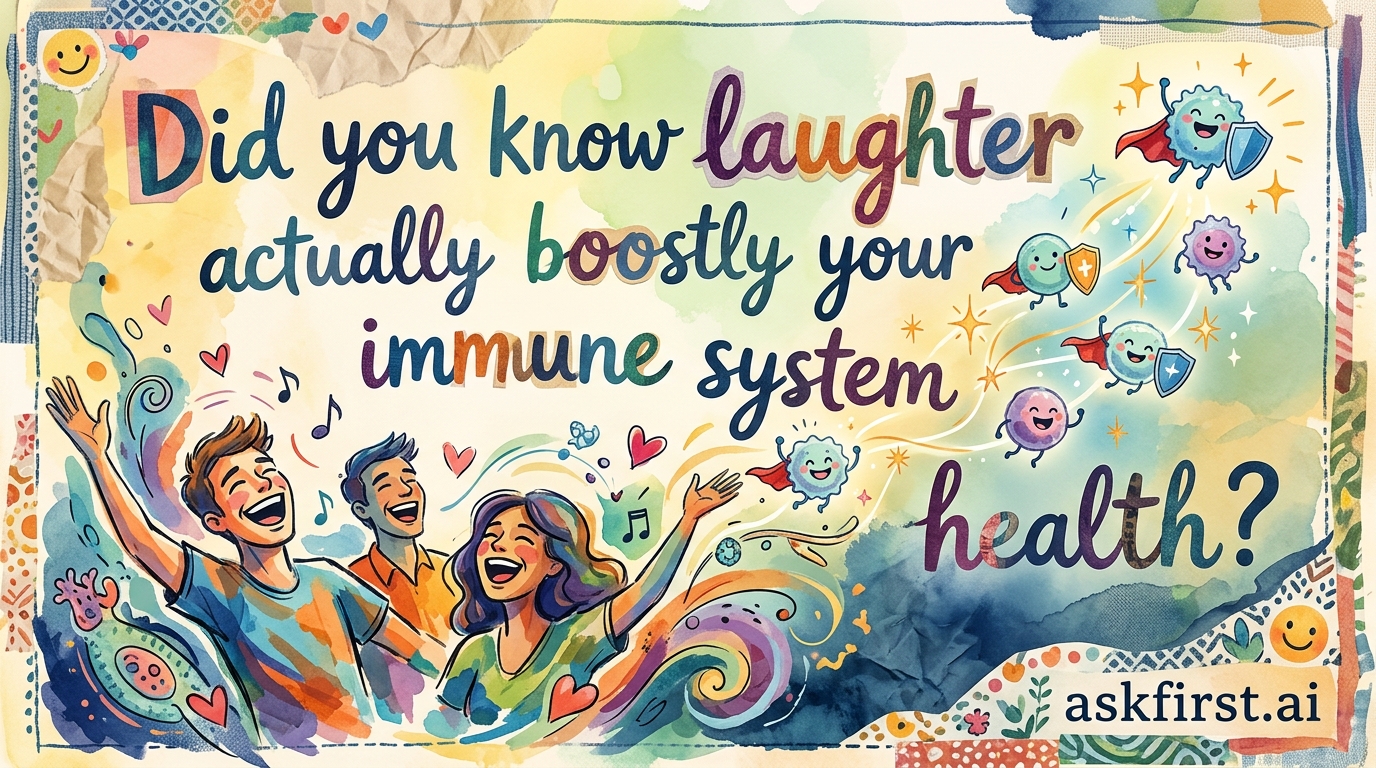
Laughter is often described as the best medicine, but recent scientific explorations suggest that this sentiment transcends mere metaphor. The physiological mechanism behind laughter is an intricate cascade of biochemical reactions that fundamentally alter the body’s internal landscape. When a person laughs, the brain initiates a release of endorphins, dopamine, and serotonin—the 'feel-good' neurotransmitters that foster a sense of well-being. However, the impact on the immune system is arguably even more profound. Research indicates that genuine laughter facilitates a reduction in cortisol, the body’s primary stress hormone. By lowering cortisol levels, the immune system is granted the freedom to operate without the inhibitory influence of chronic stress.
The Immune Response Mechanism
Scientific studies have demonstrated that laughter triggers an increase in the production of antibodies and the activation of protective cells. Specifically, laughter appears to bolster the activity of Natural Killer (NK) cells. These cells are specialized white blood cells that target and destroy viral-infected or tumor-producing cells. By promoting a more robust response, laughter effectively primes the immune system to maintain homeostasis. Furthermore, laughter influences the production of salivary immunoglobulin A (IgA), which acts as a primary defense against pathogens entering through the respiratory tract. A consistent habit of humor has been correlated with higher levels of these critical immune markers, proving that emotional state is inextricably linked to physical resilience.
Psychological and Physiological Synergy
Beyond individual cell counts, laughter serves as an exercise for the body. A deep, belly-shaking laugh engages the diaphragm, improves respiratory function, and enhances blood flow throughout the circulatory system. This internal 'workout' increases oxygenation of the blood, which supports metabolic health and efficient tissue repair. From a psychological standpoint, laughter facilitates social bonding and decreases perceived threat, which in turn reduces systemic inflammation. Chronic inflammation is known to compromise immune function, and by interrupting this cycle, laughter acts as a preventive buffer against various lifestyle-related ailments. It functions as a regulatory mechanism, turning down the 'fight or flight' response and turning on the 'rest and digest' state where immune maintenance occurs.
The Science of 'Gelotology'
Gelotology, the formal study of laughter and its effects on the human body, has provided a roadmap for understanding how humor influences health. Pioneers in this field, such as Dr. William Fry, discovered that laughter mimics the effects of exercise by increasing the heart rate and stimulating the muscles. The long-term implications are significant: humans who prioritize humor in their daily lives report lower instances of respiratory infections and faster recovery times from seasonal illnesses. It is not just the act of laughing that matters, but the cultivation of a lighthearted mindset that buffers the body against the deleterious effects of modern anxiety.
Practical Integration for Daily Health
Integrating laughter into daily life does not require specific environmental triggers, but rather a commitment to cognitive flexibility. The following practices are recommended to harness these immunological benefits:
- Intentional Comedy Exposure: Curate media sources—podcasts, literature, or performances—that induce genuine amusement rather than passive distraction.
- Social Connectivity: Engage with peers who share a similar sense of humor; laughter is a social contagion that amplifies the individual physiological response through mirror neurons.
- The 'Laugh-for-No-Reason' Practice: Even simulated laughter has been shown to yield significant psychological benefits, as the brain often struggles to distinguish between genuine and voluntary amusement, subsequently releasing similar neurochemical cocktails.
- Mindful Appreciation: Recognizing the irony or humor in frustrating situations transforms a stressful experience into a physiological release valve.
Conclusion: The Preventive Power of Humor
While laughter is not a replacement for traditional medical intervention, it is a potent, cost-free, and side-effect-free tool for health optimization. It represents the nexus of mind and body, demonstrating that human health is a holistic endeavor. By choosing to embrace humor, individuals are actively modulating their immune system to be more responsive, efficient, and resilient. As research continues to advance, the link between positive emotional experiences and biological longevity becomes increasingly undeniable. Laughter is not merely a social lubricant; it is an essential component of human biological maintenance that keeps the immune system prepared for the challenges of an ever-changing world.