The Psychology of Parasocial Grief
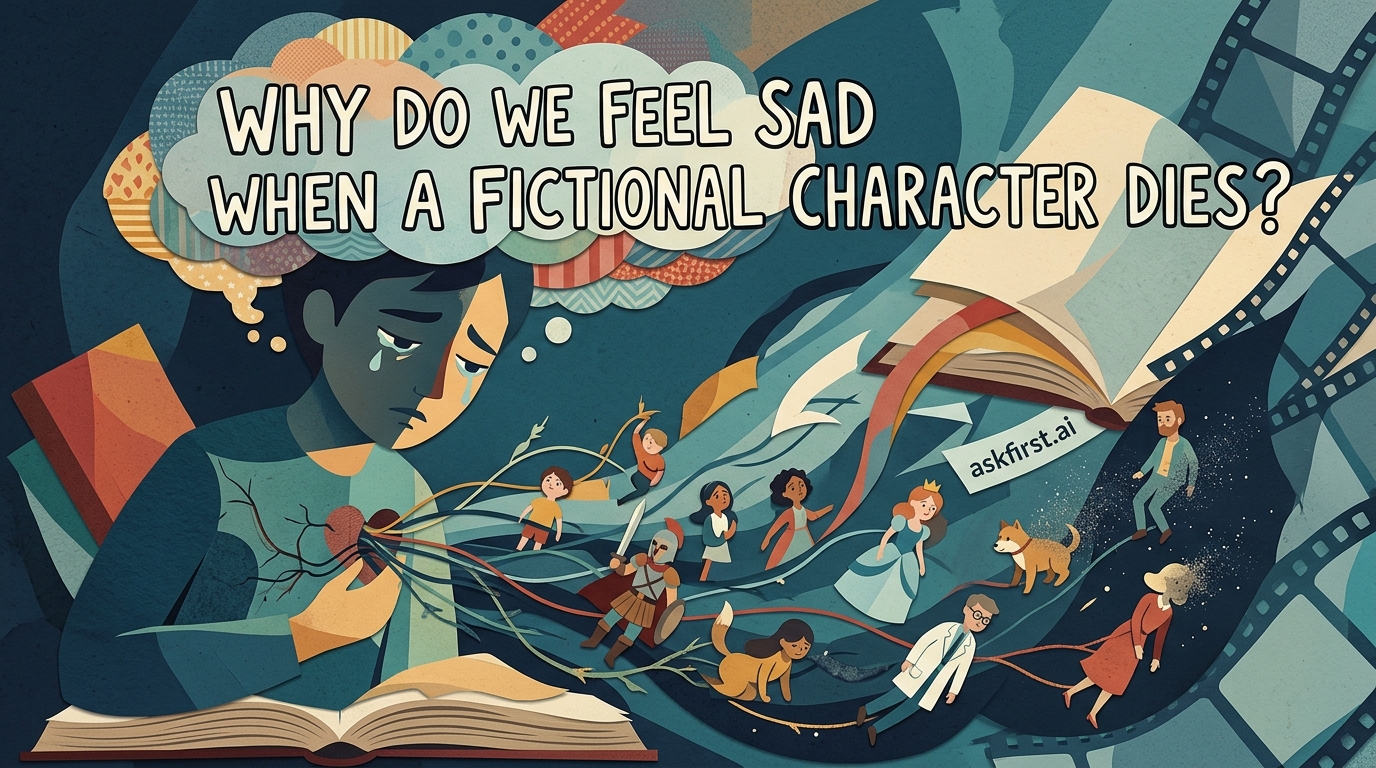
When a beloved protagonist meets an untimely end on the page or screen, the physiological response is remarkably real. Despite the intellectual knowledge that the individual never existed in physical space, the human brain struggles to differentiate between the loss of a close friend and the loss of a compelling narrative construct. This phenomenon centers on the concept of parasocial interaction, a psychological relationship where individuals form one-sided emotional bonds with characters in media. Even without reciprocal communication, the human brain treats these characters as genuine social agents, leveraging the same neural pathways used for real-life relationships.
The Mechanics of Mirror Neurons
Central to this experience is the mirror neuron system. When witnessing a character navigate a struggle, triumph, or loss, the brain mirrors that activity as if the viewer were the one undergoing the transformation. Because fictional narratives often provide deeper access to a character's internal monologue than real-life social encounters allow, the sense of intimacy is amplified. Readers and viewers develop a unique form of 'empathic insight' that creates a deep-seated mental model of the character. When the narrative terminates, this model is disrupted, resulting in a sense of abandonment.
Why the Brain Cannot Tell the Difference
Evolutionary psychology suggests that the human capacity for storytelling evolved to facilitate social cohesion. The brain is hardwired for empathy, and it does not always check the reality status of the subject of that empathy before initiating a hormonal response. When a character dies, the amygdala—the region responsible for processing emotional responses—activates. This triggers the release of stress hormones like cortisol. The brain is essentially 'tricked' by the vividness of the character's journey, processing the character's fate as a loss of a social asset or communal member.
Key Psychological Drivers of Emotional Attachment
- Relatability and Projection: Characters often act as avatars for the audience’s own fears, dreams, and personal histories. Their loss mirrors the loss of our own internal possibilities.
- The Investment Gap: The amount of time and cognitive energy invested in a long-running series creates a 'sunk cost' of emotional dedication.
- Simulation Theory: Psychologists argue that fiction acts as a flight simulator for social life. By experiencing loss through a safe, controlled medium, we practice the process of mourning without the immediate threat to our own survival.
The Social Function of Narrative Grief
This emotional investment serves an essential developmental role. Through the 'safe' loss of a character, the human mind learns to regulate complex emotions, explore morality, and develop resilience. Research from institutions such as the University of Buffalo suggests that people who consume high levels of narrative fiction often score higher on measures of social intelligence and empathy. The grief felt is not a mistake; it is a feature of a healthy, functioning cognitive architecture that is optimized for social learning.
Managing the Narrative Impact
Understanding the biological basis for this sadness can transform the experience from one of distress to one of appreciation. Recognizing that the sorrow is a tribute to the effectiveness of the art allows the individual to process the emotion as a testament to their own capacity for empathy. The grief is essentially a reminder that the story succeeded in its primary biological mission: to expand the boundaries of the self through the observation of another, even when that 'other' exists solely within the confines of a story.
Ultimately, the sadness we feel for a fictional character is a testament to the power of the human imagination. It underscores the unique capability of the human species to derive meaning, connection, and growth from abstract symbols and arranged words. We are, at our core, meaning-making machines, and when we lose a narrative companion, we are simply acknowledging the significance of the world they helped us build within our own minds.