The Neurobiology of Connection
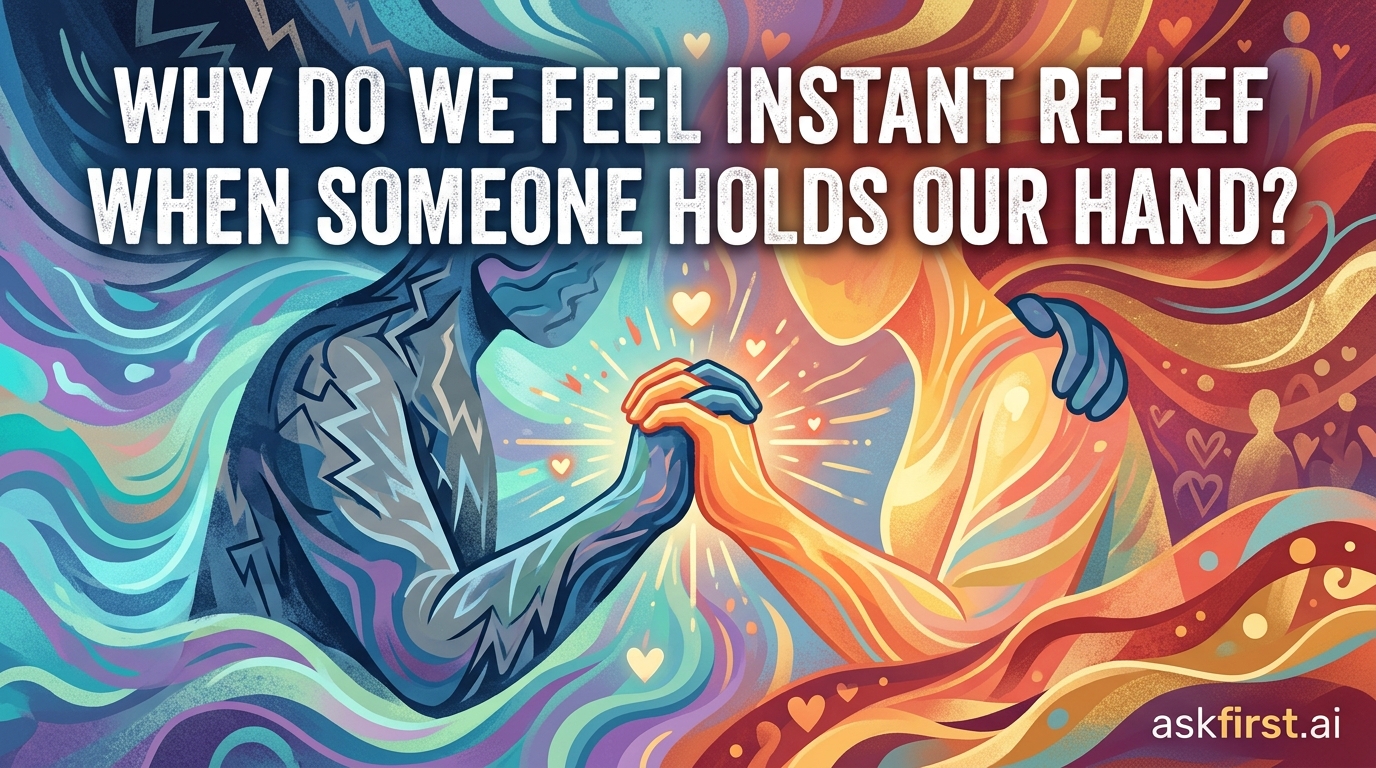
The phenomenon of immediate psychological and physiological relief upon holding hands is deeply rooted in human evolutionary history. This tactile interaction acts as a biological regulator, modulating the nervous system through what scientists call 'social buffering.' When an individual experiences stress or fear, the body initiates the 'fight or flight' response, characterized by elevated cortisol levels and heightened cardiovascular activity. Research published in journals such as Psychological Science suggests that physical touch, specifically hand-holding, can dampen this response by activating the brain's pain-processing regions and reward pathways.
The Role of Oxytocin
At the center of this mechanism is oxytocin, often referred to as the 'cuddle hormone' or 'bonding molecule.' When skin-to-skin contact occurs, the hypothalamus releases oxytocin into the bloodstream. This neuropeptide facilitates feelings of trust, reduces anxiety, and encourages social bonding. The release of oxytocin effectively inhibits the activity of the amygdala, the brain's alarm system, which is responsible for perceiving threats. By suppressing amygdala activation, the brain experiences a state of safety, allowing the nervous system to shift from a sympathetic (stress-arousing) to a parasympathetic (rest-and-digest) state.
The Syncing of Brain Waves
One of the most fascinating aspects of hand-holding is 'interpersonal neural synchronization.' Studies have shown that when two people hold hands, their brain waves—specifically in the alpha and mu bands—begin to oscillate at the same frequency. This synchronization is particularly prominent when the emotional connection is strong. This rhythmic alignment suggests that the human brain treats the touch of a trusted partner as a bridge, sharing the burden of emotional processing. This external regulation of the internal state explains why individuals often report feeling 'grounded' or 'centered' during stressful situations when physical touch is present.
Beyond Biology: The Psychological Security
Beyond neurochemistry, there is a profound psychological dimension to hand-holding. From infancy, touch is the primary medium through which secure attachment is formed. According to Attachment Theory, formulated by John Bowlby, early experiences with caregivers establish internal working models for how to handle distress. Throughout adulthood, this subconscious association persists; a hand in ours acts as a symbolic and physical reminder that we are not alone. It reinforces a sense of social belonging, which is a fundamental human need that, when satisfied, provides a robust buffer against physical and emotional pain.
The Pain-Alleviating Effect
Interestingly, the sensation of relief extends to the physical experience of pain. In various experiments, researchers found that participants who held the hand of a loved one during a painful stimulus reported significantly lower intensity scores compared to those who held no hand or held the hand of a stranger. This occurs because the supportive touch alters the neural representation of the pain stimulus in the brain. The brain essentially prioritizes the input of warmth and security, which effectively 'masks' or reduces the processing of the nociceptive (pain) signals.
Everyday Applications and Long-term Benefits
This simple gesture holds significant potential for improving overall well-being. Incorporating intentional, supportive touch into daily interactions can lead to:
- Reduced Blood Pressure: Chronic stress management through touch contributes to cardiovascular health.
- Improved Sleep Quality: The reduction in cortisol promotes a more restful physiological state.
- Enhanced Communication: Touch often communicates empathy more effectively than spoken words in times of grief or high pressure.
- Strengthened Relational Bonds: Regular physical contact fosters long-term emotional stability and mutual trust.
Conclusion
The relief experienced during hand-holding is not merely a psychological placebo; it is a complex, high-functioning biological system designed to promote survival and communal harmony. By harnessing the power of oxytocin, neural synchronization, and psychological comfort, the act of holding hands serves as a primitive yet highly effective technology for human emotional regulation. Whether in times of crisis or moments of quiet appreciation, the simple act of extending a hand remains one of the most powerful tools available for emotional healing and connection.