The Psychology of Vulnerability and Connection
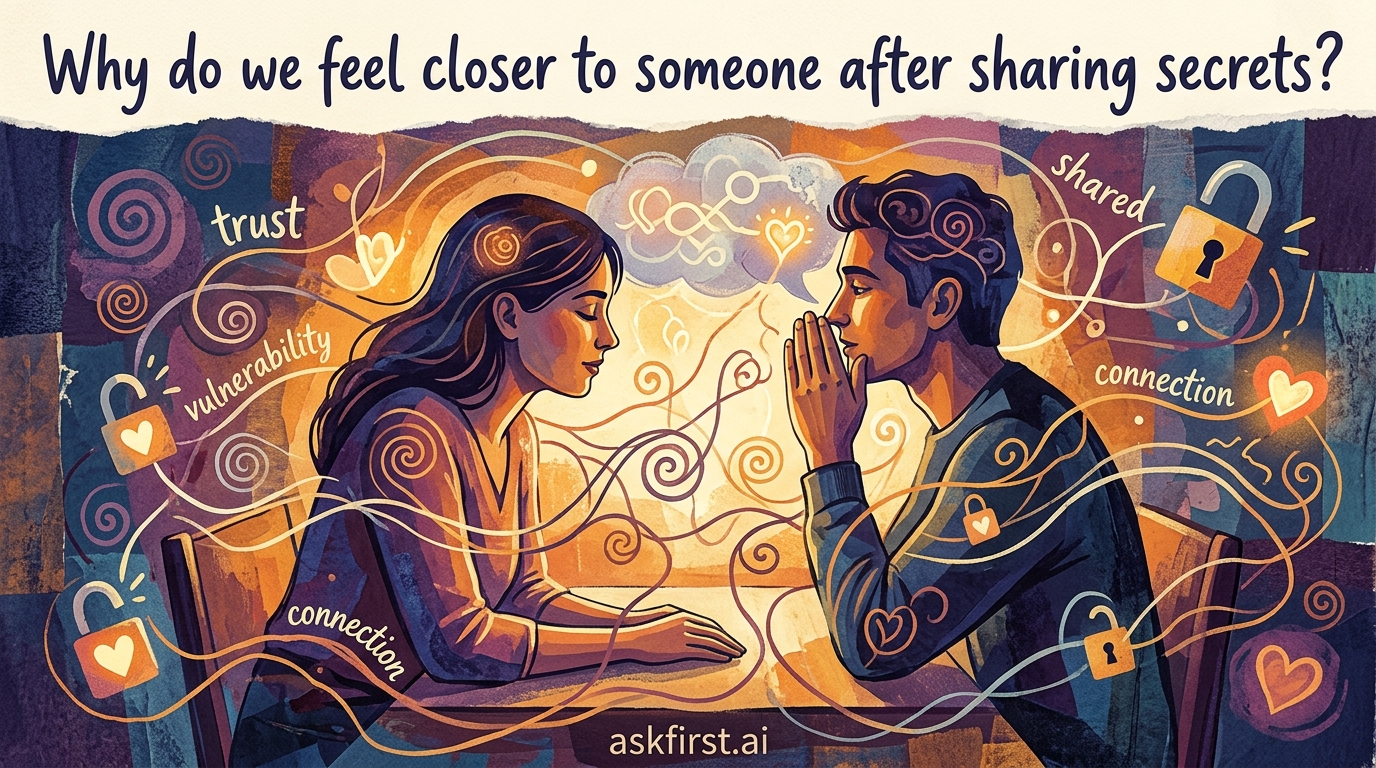
Sharing a secret is one of the most powerful catalysts for human intimacy. When an individual chooses to disclose private information, they are engaging in a process known as self-disclosure. This act is the bedrock of building trust and emotional closeness. In psychology, the Social Penetration Theory posits that as relationships develop, communication moves from relatively shallow, non-intimate levels to deeper, more personal ones. When secrets are shared, this movement is accelerated significantly.
The Vulnerability Loop
Vulnerability is often mistaken for weakness, but in interpersonal dynamics, it acts as a signal of high value. When one person reveals a secret, they effectively hand the other person the power to cause harm or embarrassment. By choosing to trust the other person with this sensitive information, the discloser initiates a 'vulnerability loop.' If the recipient responds with empathy and validation, it reinforces a sense of safety. This reciprocity is crucial; once the first secret is shared, it creates a psychological expectation that the other person will follow suit, creating a feedback loop of mutual trust.
Neurochemical Underpinnings of Trust
The biological reality of connection is tied closely to the hormone oxytocin, often called the 'love hormone.' Studies in neurobiology show that when we perceive an act of vulnerability or trust from another person, our brains release oxytocin. This chemical is essential for social bonding and reduces feelings of fear and social anxiety. When a secret is shared, the brain interprets this as a 'social risk' that paid off, rewarding the participants with a rush of connection. This creates a lasting neural association: this person is a safe haven for my most private thoughts.
Breaking the Mirror Effect
Social psychology emphasizes the role of the 'liking gap.' Most people worry that they have shared too much, yet the listener almost always feels more positive about the relationship following a deep disclosure. Sharing a secret acts as an equalizer. It strips away the 'social mask' we wear in public, forcing both parties to see the 'authentic self' rather than the curated image. When two people see each other’s authentic, unvarnished selves, the cognitive dissonance of maintaining a social facade disappears, leading to a profound sense of relief and camaraderie.
Why Secrets Create a 'Common Enemy' or 'Private World'
A shared secret creates a 'private world'—a social boundary that excludes everyone else. This creates an 'in-group' dynamic. By possessing information that is unknown to the rest of the world, two individuals form a psychological unit. This is often observed in the formation of deep friendships and romantic partnerships. It serves as a glue that binds people together, as the secret becomes a unique asset owned collectively by the pair.
Guidelines for Healthy Disclosure
While sharing secrets is beneficial, experts recommend a balanced approach to ensure long-term stability in relationships:
- Test the Waters: Gauge the listener's empathy before revealing major personal secrets.
- Reciprocity: Ensure that disclosure is mutual over time; a one-sided dump of secrets can sometimes overwhelm the listener.
- Respecting Boundaries: Understand that a secret is a responsibility. The recipient must treat it with the gravity it requires to maintain the trust established.
- Avoid Over-Disclosure: There is a threshold where too much detail, too soon, can make others feel uncomfortable or pressured to reciprocate, which can actually damage the budding connection.
The Lasting Impact on Attachment
The impact of sharing secrets is not merely temporary. It restructures the attachment style within a relationship. According to attachment theory, secure relationships are built upon the knowledge that one can rely on the other during times of distress or secrecy. By sharing a secret, you are essentially testing the waters of the other person's reliability and emotional intelligence. When the test is passed, the relationship solidifies, providing a stable foundation that persists through life's challenges. Ultimately, secret-sharing is an act of extreme courage that signals to another person: 'I trust you with the most important part of who I am.' This foundation is why we feel uniquely bonded to those who know the 'real' story behind the mask.