The Neurochemistry of Affection: A Transformative Experience
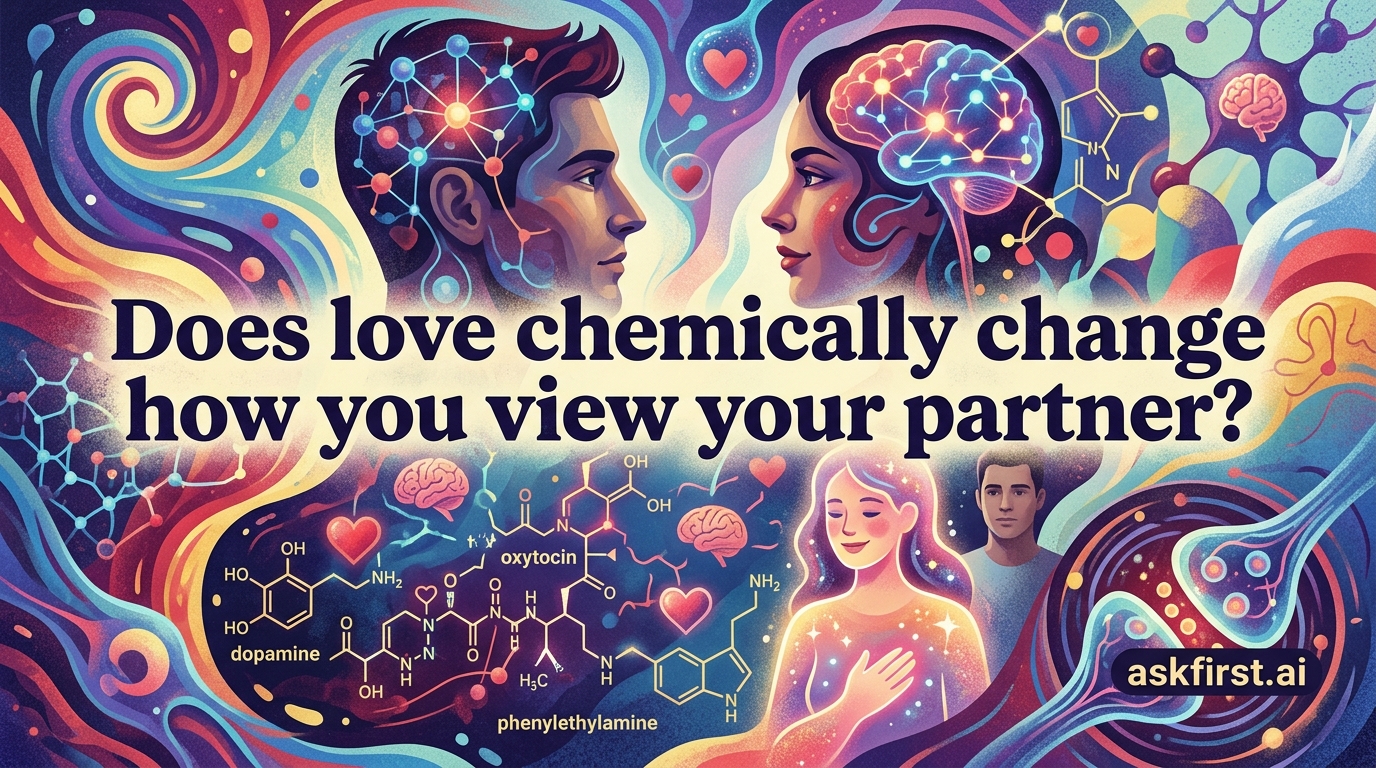
When humans fall in love, the brain undergoes a profound chemical restructuring that fundamentally alters perception. Love is not merely an emotional state but a complex neurobiological phenomenon that triggers a cascade of hormones and neurotransmitters, effectively creating a physiological 'filter' through which the partner is viewed. This process involves a fascinating interplay of dopamine, oxytocin, vasopressin, and serotonin, each playing a distinct role in how individuals evaluate and interact with their romantic interests.
The Dopaminergic Reward System
At the onset of romance, the brain activates the reward pathway, specifically targeting the ventral tegmental area and the caudate nucleus. These regions are rich in dopamine, the neurotransmitter associated with motivation, desire, and intense focus. When viewing a partner, this dopamine surge triggers a reward response similar to that experienced with drug-seeking behavior. Research by neuroscientists such as Dr. Helen Fisher has demonstrated that during the early 'limerence' phase, the brain exhibits heightened activity in areas associated with intense pleasure, effectively 'blinding' the individual to the partner's faults. This is the physiological basis of the 'love is blind' phenomenon; the brain prioritizes rewarding stimuli over critical analysis, leading to an idealized perception of the partner.
The Role of Oxytocin and Vasopressin
As the relationship progresses from infatuation to long-term attachment, the chemical profile shifts from dopamine-dominance to the influence of oxytocin and vasopressin. Often referred to as the 'cuddle hormones' or 'bonding chemicals,' these neuropeptides facilitate social recognition and emotional connection.
- Oxytocin: Released during physical touch, intimacy, and bonding, oxytocin acts as a powerful inhibitor of fear and anxiety. It encourages trust and increases the salience of positive traits in a partner.
- Vasopressin: Linked to monogamy and long-term commitment, vasopressin modulates social behavior and helps solidify the cognitive map of the partner as a 'safe' and 'essential' figure.
These chemicals reorganize the neural circuitry responsible for social judgment. Studies indicate that high levels of oxytocin decrease activity in the amygdala, the brain's threat-detection center, when viewing one's partner. Consequently, individuals in long-term, loving relationships perceive their partners as more trustworthy and less threatening than they would perceive others, even when confronted with ambiguous behavior.
Serotonin and the Cognitive Shift
Perhaps the most compelling evidence for chemical perception shifts lies in the levels of serotonin. In the early stages of love, serotonin levels often drop significantly—a state mirror-imaged in individuals with obsessive-compulsive disorders. This reduction is believed to be responsible for the intrusive, constant thoughts about the partner. As serotonin levels normalize over time, the 'obsessive' quality subsides, but the brain has already remapped the partner as a fixture of the internal landscape. This cognitive shift ensures that the partner is not merely viewed as an external person, but as an extension of the self. This integration is why the loss or separation from a long-term partner is often processed by the brain similarly to physical pain.
How Neurobiology Bypasses Logical Analysis
This chemical alteration doesn't just make people 'happy'; it physically changes which parts of the brain are activated during social cognition. When a person looks at a partner, the prefrontal cortex—the region responsible for logical judgment, rationalizing risk, and decision-making—often experiences reduced activity compared to when they are looking at a friend or acquaintance. This physiological downregulation explains why even intelligent, rational individuals may overlook obvious flaws or problematic personality traits in their partners.
The Evolutionary Purpose
From an evolutionary perspective, this chemical rewiring serves a survival function. By dampening critical analysis and fostering intense emotional bonding, these neural mechanisms ensure that pairs stay together long enough to survive, cooperate, and potentially raise offspring. The brain effectively 'tricks' the individual into prioritizing the partner above others, creating a cohesive bond that survives external pressures.
Conclusion
In essence, love acts as a biological lens. It shifts the brain from a state of critical, comparative evaluation to one of connection, trust, and reward. By modulating dopamine, oxytocin, and serotonin, the human brain ensures that the perception of a partner is curated for long-term survival and deep social integration. Love does not just change the heart; it redefines the very neural pathways through which a partner is observed, ensuring that the subjective experience of 'the other' is one of profound, chemically mediated significance.