The Epigenetic Impact of Caffeine
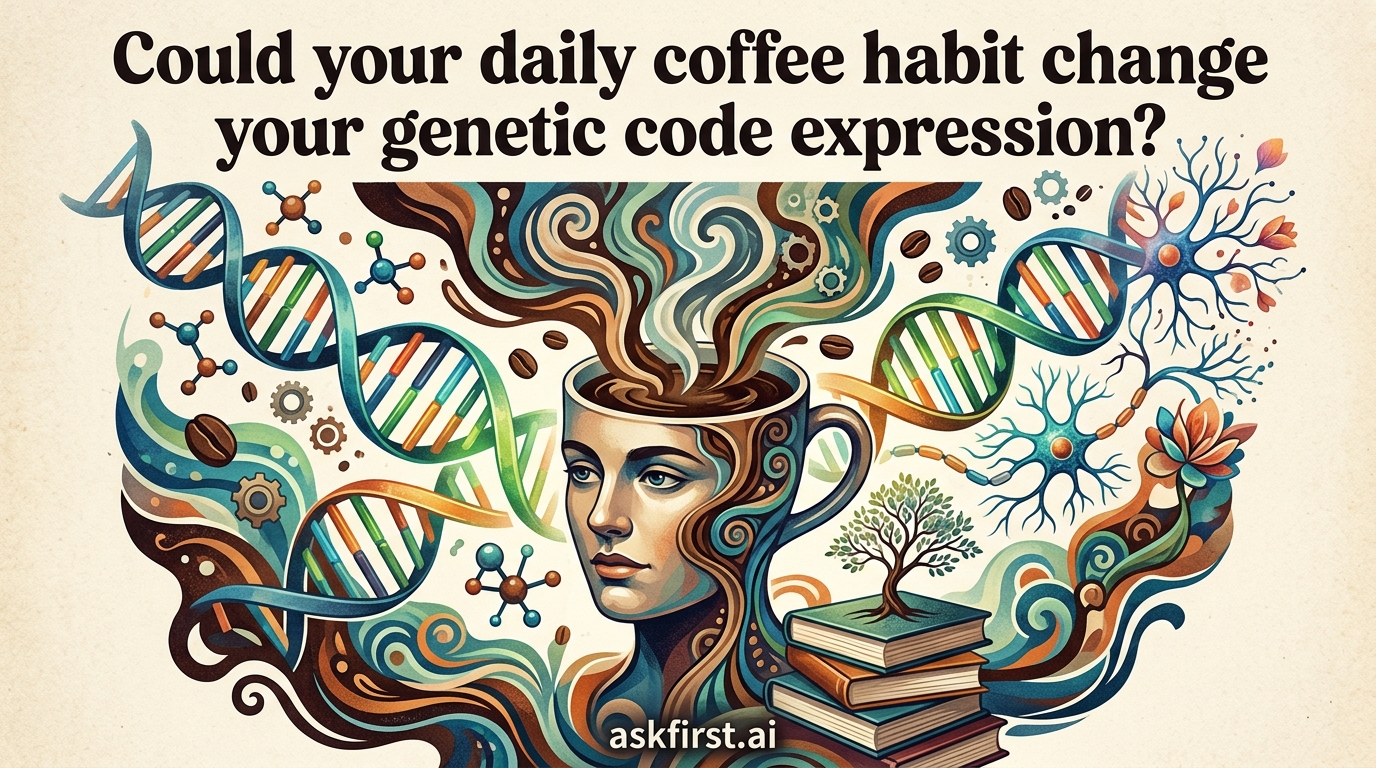
For millions across the globe, the morning ritual of brewing a cup of coffee is an essential start to the day. Beyond the immediate buzz of alertness, recent breakthroughs in the field of epigenetics have sparked a fascinating inquiry: can the molecules within our favorite caffeinated beverage actually influence the way our genes are expressed? While caffeine does not alter the fundamental sequence of your DNA—the 'code' itself remains static—it acts as a powerful signaling agent that can flip the 'switches' on your genes, a process known as epigenetic modification.
Understanding Epigenetics vs. Genetics
To understand this phenomenon, one must distinguish between the static genetic code (the genome) and the regulatory layer above it (the epigenome). The epigenome is composed of chemical markers, such as DNA methylation or histone modification, which determine whether a specific gene is 'silenced' or 'active.' Think of the genome as the architectural blueprint of a building and the epigenome as the lighting and climate control system that decides which rooms are illuminated or temperature-regulated at any given time.
How Coffee Influences Cellular Signaling
Research published in journals such as Nutrients and Frontiers in Genetics suggests that the bioactive compounds found in coffee—including caffeine, chlorogenic acids, and diterpenes like cafestol—interact with intracellular pathways that communicate directly with the nucleus of our cells. These compounds can modulate the activity of DNA methyltransferases, the enzymes responsible for adding or removing methyl groups from DNA.
- Modulation of Inflammation: Chronic coffee consumption has been linked to the down-regulation of pro-inflammatory genes. By reducing the methylation levels in specific promoter regions of genes like TNF-alpha, coffee helps maintain homeostasis in immune cells.
- Antioxidant Gene Activation: Coffee intake has been observed to upregulate the expression of the Nrf2 pathway. This 'master switch' controls the production of endogenous antioxidant enzymes, protecting the body from oxidative stress more effectively than dietary antioxidants alone.
- Metabolic Regulation: Specific metabolites derived from coffee digestion have been shown to influence the expression of genes involved in lipid metabolism and insulin sensitivity. This explains why moderate, long-term coffee consumption is often statistically correlated with a lower risk of metabolic syndrome.
Beyond the Buzz: The Role of Chlorogenic Acids
While caffeine is the most famous constituent, chlorogenic acids (CGAs) are likely the true protagonists in the epigenetic narrative. CGAs are potent polyphenols that demonstrate high bioavailability. Once absorbed, they circulate through the bloodstream and enter cellular environments, where they can influence the expression of genes related to glucose transport. In essence, your morning cup is not just a stimulant; it is a complex delivery system of bioactive information that your body interprets as a signal to modify its operational efficiency.
Important Scientific Nuances
It is vital to maintain a balanced perspective. Epigenetic changes induced by diet are generally transient or adaptive in nature. They do not constitute a permanent mutation. Furthermore, the response is highly individualistic, dictated by:
- Polymorphisms: Variations in the CYP1A2 gene determine how quickly an individual metabolizes caffeine. 'Fast metabolizers' see vastly different systemic exposure levels to these bioactive compounds compared to 'slow metabolizers.'
- The Microbiome: The gut bacteria that break down coffee into secondary metabolites are unique to every person. The epigenetic 'signal' sent to your cells is partially filtered through the biological activity of your unique gut flora.
- Dosage and Timing: Like any environmental variable, the intensity of the epigenetic signal is dose-dependent. Over-consumption may lead to different regulatory feedback loops compared to moderate, consistent intake.
The Future of Nutritional Epigenetics
As we look toward 2030, the field of nutrigenomics—the study of how nutrition influences gene expression—will become increasingly personalized. Scientists are moving toward a future where dietary recommendations, including coffee intake, could be tailored to an individual’s specific epigenetic profile. Rather than asking if coffee 'changes' your code, the question is shifting toward how coffee can be strategically used to optimize the 'output' of your existing genetic potential.
Conclusion
The ritual of coffee is far more than a simple habit; it is a persistent interaction between the external environment and your internal biological software. By modulating the epigenetic landscape, coffee functions as a nutritional regulator, influencing the pathways of inflammation, metabolism, and cellular protection. As you sip your next cup, consider that you are engaging in a sophisticated biochemical dialogue, one that helps define how your body expresses its health and vitality daily.