The Neural Architecture of Mantras
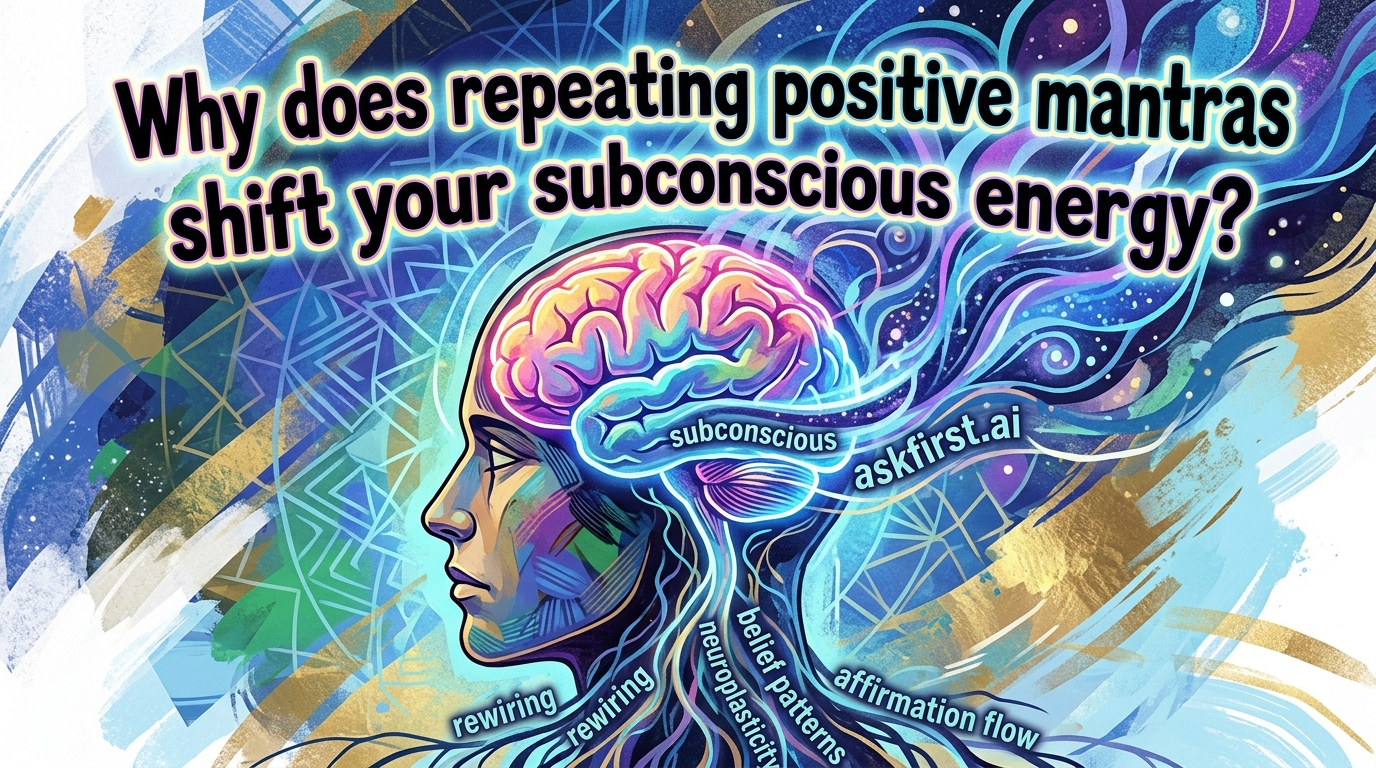
The phenomenon of mantra repetition, often referred to as japa in ancient traditions, operates through the intersection of neuroplasticity and cognitive behavioral patterns. At its core, the subconscious mind acts as a storage facility for ingrained beliefs, habits, and automatic responses. When an individual repeats a specific positive phrase, they are essentially utilizing a process known as neuro-associative conditioning. By flooding the neural pathways with consistent, constructive vocabulary, the brain begins to prioritize these new, empowering neural firing patterns over older, self-limiting ones.
The Science of Neuroplasticity
Neuroplasticity is the brain's ability to reorganize itself by forming new neural connections throughout life. Repeating positive mantras provides the focused attention required to strengthen these connections. Research suggests that when a person practices affirmations or mantras, the brain triggers a reduction in cortisol, the primary stress hormone, while simultaneously stimulating the production of dopamine and serotonin. This neurochemical shift makes the brain more receptive to change. Over time, the repetition creates a 'path of least resistance' for positive thinking, making optimism the default setting of the subconscious mind rather than an effortful task.
Linguistic Influence on Reality
Language serves as the blueprint for perceived reality. The subconscious mind does not easily distinguish between a vivid visualization and a concrete reality; therefore, when a mantra is repeated, it serves as a directive to the subconscious to scan the environment for evidence that supports the mantra. This is frequently linked to the Reticular Activating System (RAS) in the brain. The RAS acts as a filter for information; when a mantra is internalized, the RAS begins to filter out negative stimuli and spotlight opportunities or ideas that align with the positive affirmation, effectively shifting the individual's tangible experience of life.
The Power of Rhythmic Repetition
- Frequency Entrainment: The rhythm of mantra repetition can induce a meditative state, lowering brainwave activity from Beta (normal waking consciousness) to Alpha or even Theta states, which are more suggestible and creative.
- Cognitive Reframing: Mantras serve as a replacement mechanism for the 'inner critic,' the voice that often cycles through negative or defeatist narratives.
- Physiological Synchronization: Rhythmic chanting or speaking regulates the autonomic nervous system, promoting a state of coherence between the heart and the brain.
Breaking the Cycle of Limiting Beliefs
Many individuals are trapped in loops of 'learned helplessness,' where past experiences dictate current limitations. Positive mantras act as a corrective algorithm. By persistently replacing a negative internal monologue (e.g., 'This is too difficult') with a positive mantra (e.g., 'I am capable of finding solutions'), the individual effectively rewrites their internal operating system. This is not merely 'positive thinking'; it is a deliberate engineering of self-perception that influences behavior, resilience, and decision-making.
Practical Implementation for Sustainable Change
To maximize the efficacy of mantra practice, consistency must be prioritized over intensity. It is more effective to engage in brief, focused repetition several times a day than to perform one long, distracted session. Combining the mantra with rhythmic breathing techniques further amplifies the effect, as oxygenation levels affect brain performance and emotional regulation. When paired with visualization—the mental imagery of the mantra's intention coming to fruition—the subconscious integrates the goal as a genuine future capability.
Conclusion: A Tool for Conscious Evolution
The practice of repeating positive mantras is an ancient technique backed by modern neurobiological understanding. It functions as a bridge between conscious intention and subconscious action. By systematically feeding the mind high-vibrational, empowering language, the practitioner initiates a profound shift in self-concept. This transformation is not a quick fix but a disciplined, cumulative process of upgrading the internal software that dictates how the world is perceived and how challenges are met. As the subconscious aligns with these positive declarations, the external reality naturally begins to reflect this newfound internal clarity and strength.