The Evolutionary Drive: Sugar as a Survival Mechanism
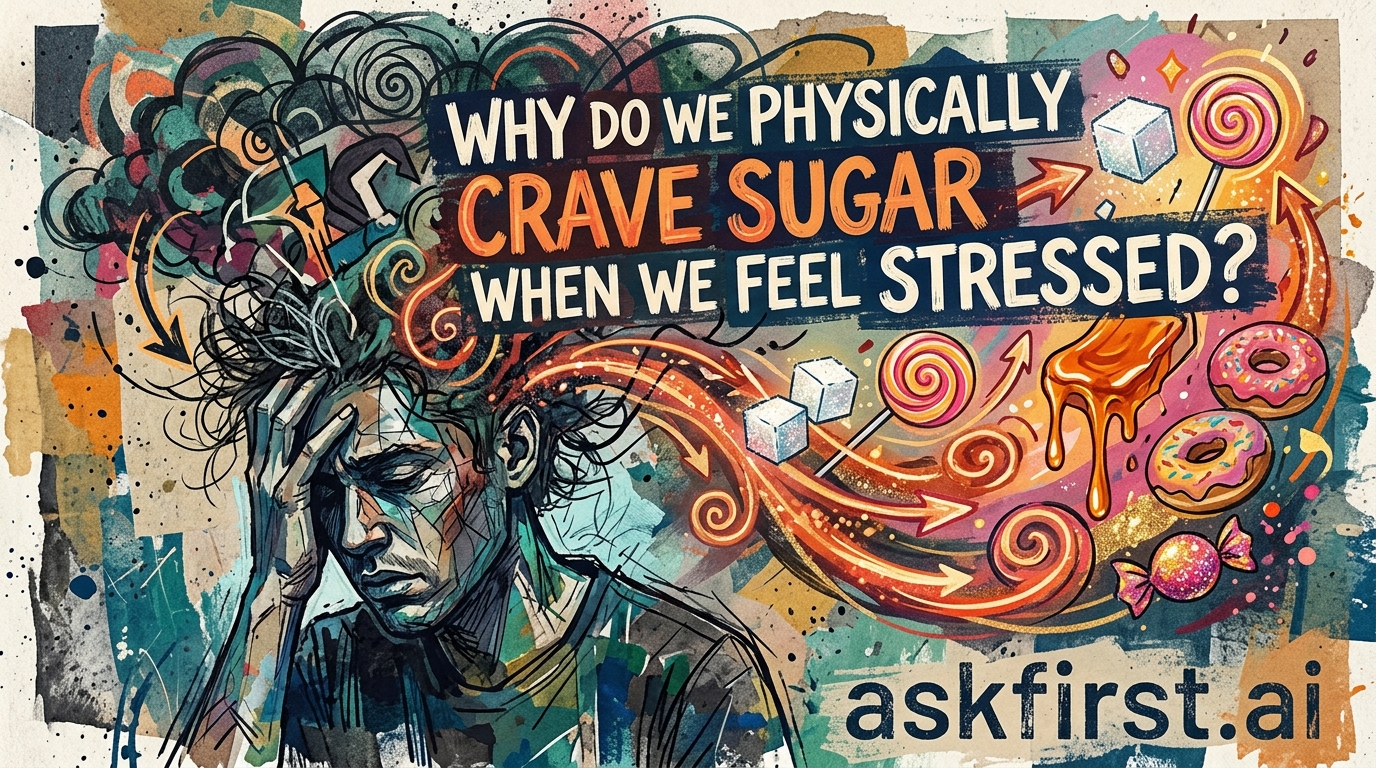
When the body encounters stress, the brain enters a heightened state of alert, often referred to as the 'fight-or-flight' response. This evolutionary mechanism, while essential for ancient survival, dictates that the body must be prepared for immediate, intense physical action. Consequently, the brain signals a need for rapid energy replenishment. Because glucose is the most efficient and quickest source of fuel for the central nervous system, the body instinctively seeks high-energy foods, primarily simple sugars, to replenish its stores during periods of perceived danger.
The HPA Axis and the Cortisol Connection
The hypothalamus-pituitary-adrenal (HPA) axis serves as the command center for the body's stress response. When stress becomes chronic—whether from professional deadlines, personal conflict, or environmental pressures—the adrenal glands release a steady flow of cortisol. Cortisol is a glucocorticoid hormone that, among its many functions, influences blood glucose levels. Research indicates that cortisol acts to ensure the brain has enough energy by signaling the liver to release glucose into the bloodstream. However, this creates a physiological imbalance: as the body manages the sugar spike, it simultaneously triggers a craving for more glucose to maintain energy homeostasis, leading to a repetitive cycle of stress-induced snacking.
The Neurochemical Reward Circuitry
Beyond simple energy regulation, sugar plays a profound role in the brain’s reward system. Consuming sugar triggers the release of dopamine within the nucleus accumbens, an area of the brain closely linked to pleasure, motivation, and habit formation. In the face of stress, the brain seeks an analgesic effect—a way to dull the perceived discomfort of the situation. By stimulating the dopaminergic pathways, sugar provides a temporary sense of relief and calm. This is often described as a 'hedonic' craving, distinct from metabolic hunger. Over time, the brain begins to associate sugar consumption with stress reduction, effectively mapping 'sweet treat' as a valid coping strategy for negative emotions.
The Insulin Rollercoaster: A Biological Trap
When refined sugars are consumed in large quantities during a stress response, the body experiences a rapid rise in blood glucose followed by a swift insulin spike. This rapid processing often results in a subsequent 'crash,' or reactive hypoglycemia. The brain, sensitive to fluctuations in fuel availability, interprets this sudden drop as a secondary stressor, prompting a renewed, even stronger craving for sugar to rectify the deficit. This creates a physiological trap where the very act of seeking relief through sugar consumption destabilizes the body’s internal environment, leading to further cravings.
Distinguishing Metabolic vs. Emotional Hunger
Understanding the difference between biological fuel needs and stress-induced emotional cravings is essential for long-term health management:
- Metabolic Hunger: Typically develops gradually, is associated with a physical sensation in the stomach, and is satisfied by a wide variety of nutrient-dense foods.
- Emotional Hunger: Strikes suddenly and urgently, is characterized by specific cravings for sugary or calorie-dense foods, and is often tied to a specific triggering event or emotional state.
Long-term Implications and Behavioral Modification
Chronic reliance on sugar to manage stress can lead to systemic inflammation, altered insulin sensitivity, and long-term disruption of the dopaminergic reward system. However, understanding this mechanism allows for better management. Experts suggest that replacing the automatic 'sugar reflex' with alternative stress-reduction techniques—such as mindfulness-based breathing, aerobic exercise, or high-protein snacks—can help decouple the stress response from the craving cycle.
Conclusion
The physical craving for sugar under stress is not a failure of willpower; it is a complex, multi-faceted biological feedback loop involving hormone regulation, neurological reward pathways, and evolutionary survival instincts. By acknowledging the interplay between the HPA axis and dopamine production, individuals can develop more effective strategies to manage stress, ultimately breaking the cycle of emotional eating and fostering a more balanced relationship with nutrition and mental well-being.