The Psychology of Parasocial Relationships
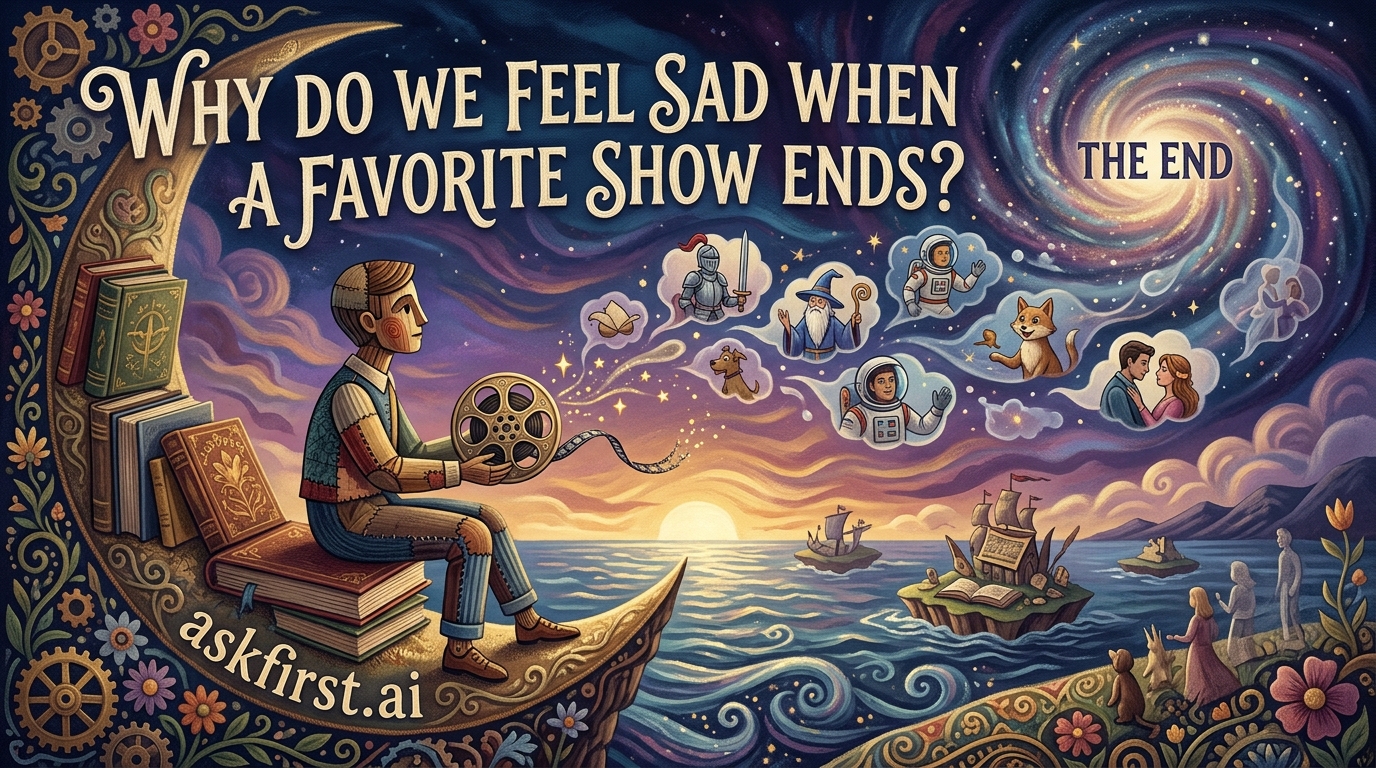
When a favorite television series reaches its conclusion, many viewers experience a genuine sense of grief, often referred to as 'post-series depression.' This phenomenon is not merely an exaggeration; it is deeply rooted in the concept of parasocial relationships. These are one-sided psychological bonds where individuals form close, emotional connections with media figures, fictional characters, or television personalities. Because the human brain is evolutionarily wired to recognize and prioritize social interaction, it often struggles to distinguish between real-life connections and long-term engagement with characters on a screen.
Over the course of a series, the brain engages in a process of repeated exposure. As episodes accumulate, the viewer invests hundreds of hours observing the growth, struggles, and triumphs of the cast. This consistency creates a sense of perceived intimacy. When the show ends, that rhythm of companionship is abruptly severed, leading to a void that mirrors the feeling of losing a friend in real life.
The Impact of Narrative Immersion
Beyond the characters themselves, the narrative structure of a show plays a critical role. Humans have an innate desire for storytelling and structured resolution. A series functions as a mental landscape—a secondary reality where the viewer has a stake in the outcomes. Engaging with complex world-building triggers the release of dopamine and oxytocin, neurochemicals associated with reward, social bonding, and emotional regulation.
When a show concludes, the sudden absence of this dopamine-reward loop causes a neurological dip. The brain, which has adapted to the high-stimulation environment of the show, must recalibrate to 'normal' life, which often feels mundane by comparison. This is the physiological counterpart to the emotional sadness felt when the screen goes dark for the final time.
Why The Brain Treats Fiction as Reality
Research in cognitive psychology suggests that the mirror neuron system plays a vital role in this experience. Mirror neurons fire both when an individual performs an action and when they observe someone else performing that same action. When a character experiences joy, tragedy, or transformation, the viewer’s brain simulates that experience internally. Through this process of empathetic resonance, the viewer lives through the challenges of the protagonists.
- Empathy and Character Growth: Observing characters evolve encourages the viewer to self-reflect.
- Stability and Routine: Humans are creatures of habit; watching a show at the same time or in a specific context provides a predictable social comfort.
- Safe Emotional Exploration: Fictional scenarios provide a low-risk environment to explore complex emotions like loss, betrayal, or hope.
Coping Mechanisms and The 'Rebound' Effect
It is entirely normal to seek ways to mitigate the sadness of a show's conclusion. Many viewers engage in 'rebound' habits to cope with the loss of their narrative world. Common strategies include:
- Rewatching Favorites: Returning to early episodes provides a sense of continuity and allows for the 'reliving' of the character development journey.
- Fan Community Engagement: Joining forums or social media groups allows fans to process their feelings collectively, validating their emotional investment.
- Exploring Related Media: Seeking out interviews with creators or 'behind the scenes' content helps provide closure by humanizing the production process, effectively separating the reality of the cast from the fiction of the characters.
The Silver Lining of Narrative Closure
Ultimately, feeling sad when a show ends is a testament to the power of high-quality storytelling. It indicates that the production succeeded in creating a meaningful, immersive experience. The sadness is not a symptom of an unhealthy obsession, but rather a reflection of the human capacity for empathy and connection. By acknowledging that these feelings are a natural byproduct of engagement, viewers can better appreciate the artistic journey and move forward to discover new narratives that will eventually offer their own unique, transformative experiences. The conclusion of a story is not the end of the emotional impact; it is the point at which that impact becomes a permanent part of the viewer’s memory and worldview.