The Eternal Nectar: Why Honey Defies the Laws of Decay
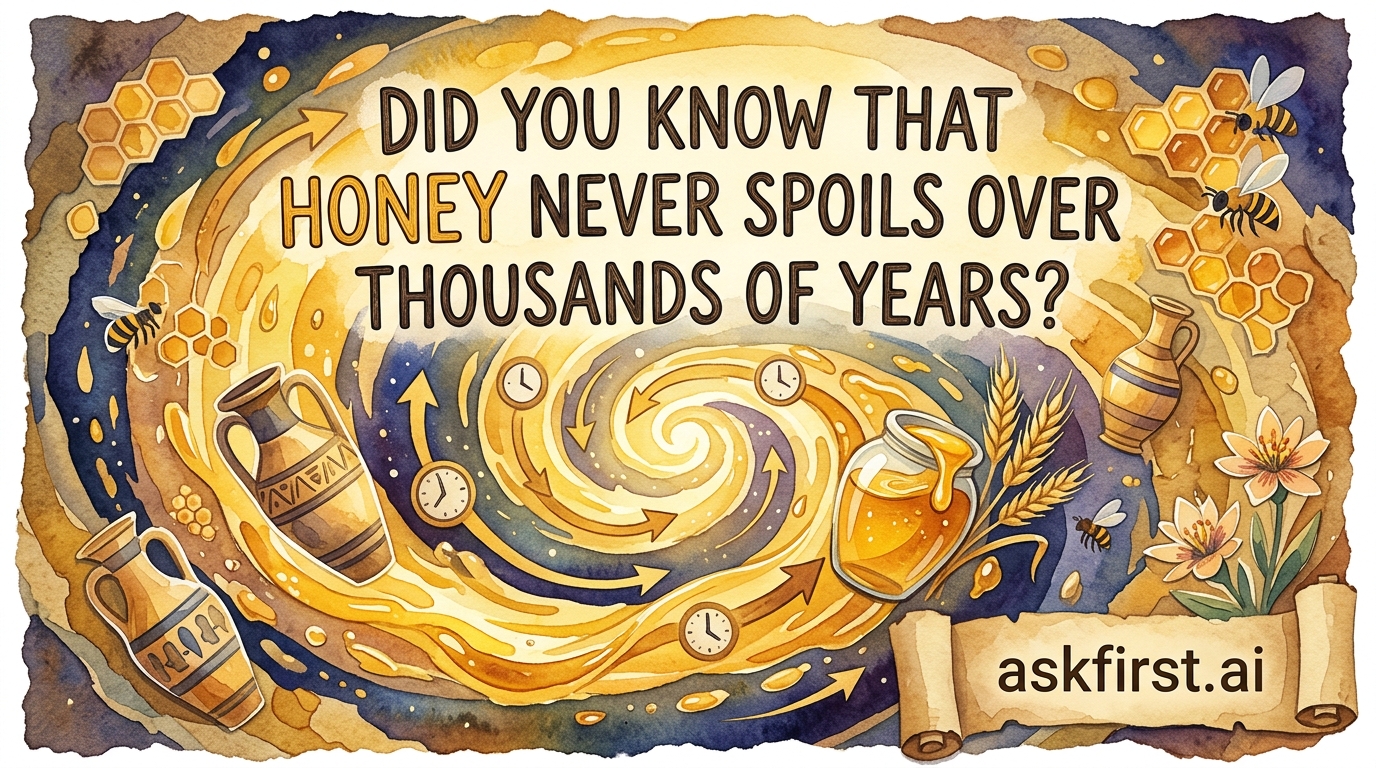
Honey, often referred to as the "gold of the gods," is one of the most remarkable substances found in nature. Archaeological evidence confirms that archaeologists have uncovered pots of honey in ancient Egyptian tombs that are over 3,000 years old and remain perfectly edible. This extraordinary longevity is not magic; it is a masterpiece of biochemical engineering conducted by honeybees.
The Chemistry of Immortality
To understand why honey is virtually immortal, one must examine the specific conditions that prevent microbial growth. The preservation of honey relies on three primary factors:
- Low Moisture Content: Honey is hygroscopic, meaning it contains very little water in its natural state. Most microorganisms, such as bacteria and fungi, require a moist environment to thrive and multiply. The low water content in honey acts as a natural desiccant, effectively dehydrating any would-be spoilers.
- High Acidity: Honey possesses a pH level typically ranging between 3.2 and 4.5. This level of acidity is sufficient to kill off most bacteria that would otherwise cause food to spoil. This acidic environment creates an inhospitable zone for potential pathogens.
- Hydrogen Peroxide Production: When bees produce honey, they introduce an enzyme called glucose oxidase. As honey ripens, this enzyme breaks down glucose into gluconic acid and hydrogen peroxide. The presence of hydrogen peroxide provides a powerful antimicrobial shield that protects the substance from bacterial contamination.
The Role of the Beehive
It is essential to acknowledge the meticulous process bees undertake. During the nectar collection process, bees fan their wings over the comb. This constant airflow evaporates the excess water from the nectar, thickening it into what we recognize as honey. By reducing the water concentration to below 18 percent, the bees create an environment where nothing can survive. If honey were to be harvested too early—before the bees have sealed the comb with wax—the higher moisture content would lead to fermentation, effectively ruining the batch.
Understanding Crystallization
Many consumers mistakenly believe that honey has "gone bad" when they see it turn cloudy or solid. This process is known as crystallization. It is important to emphasize that crystallization is a natural, physical process and a sign of purity, not spoilage. Glucose naturally tends to precipitate out of the liquid solution over time, forming crystals. Depending on the floral source of the honey, some types crystallize faster than others. If you find your honey has hardened, simply place the jar in a warm water bath to gently return it to a liquid state. Avoid overheating, as excessive heat can destroy the delicate enzymes and beneficial phytonutrients within the product.
Proper Storage Guidelines
While honey is technically eternal, it remains susceptible to environmental factors if not stored correctly. To preserve the quality of honey for years to come, observe the following best practices:
- Use Airtight Containers: Honey is highly hygroscopic; it will absorb moisture from the air if left open. Moisture intake is the primary reason honey might eventually ferment, so keeping the lid tightly sealed is crucial.
- Avoid Temperature Fluctuations: Constant moving between high and low temperatures can accelerate crystallization and degrade the flavor profile. Keep honey in a cool, dry cupboard away from direct sunlight.
- Use Clean Utensils: Introducing foreign substances, such as breadcrumbs or water from a dirty spoon, into the jar can introduce yeast or other contaminants. Always use a clean, dry spoon to scoop honey.
Myth vs. Reality: Does Honey Ever Expire?
If one were to analyze honey stored in improper conditions—specifically, if it is exposed to significant humidity or if the moisture content exceeds the safe threshold—it can indeed ferment. However, in the context of pure, raw, properly processed honey, the statement holds true: it is the only food that essentially has no expiration date. The ancients understood this; they valued honey not just for its sweetness, but as a staple that could sustain civilizations through lean times precisely because it refused to decay. Today, modern science confirms that the delicate balance of sugars, acidity, and enzymes makes honey a botanical miracle, standing as a testament to the sophistication of the natural world.