The Intricate Connection Between Mind and Heart
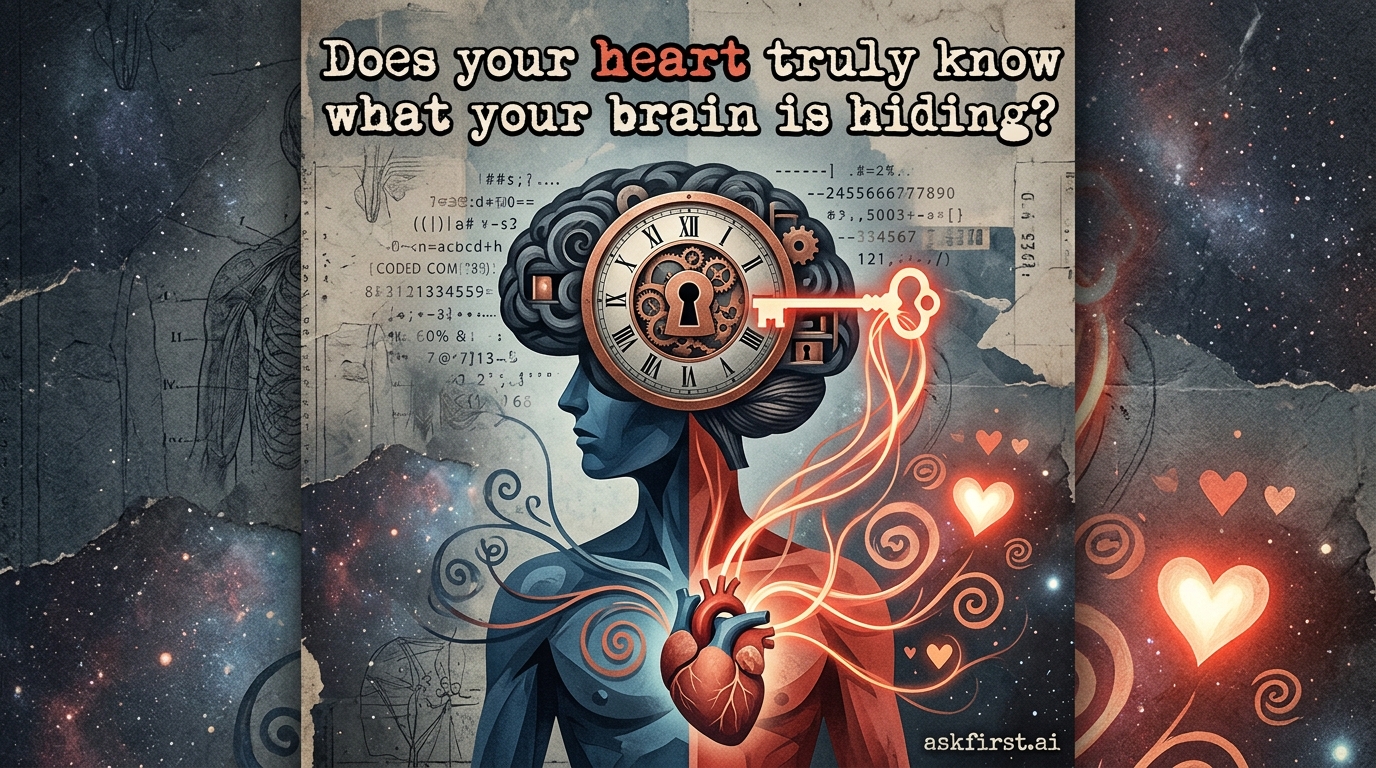
Recent advancements in neurocardiology have unveiled a profound biological truth: the heart functions as an independent sensory organ and an information processing center. Often, individuals experience a 'gut feeling' or a sudden emotional shift before the conscious mind has articulated a logical explanation. This phenomenon suggests that the heart is not merely a pump for blood, but a sophisticated system that communicates with the brain in ways that bypass traditional analytical thinking.
The Heart-Brain Communication Pathways
The heart communicates with the brain through four primary pathways: neurological (via the nervous system), biochemical (via hormones), biophysical (via pressure waves), and energetic (via electromagnetic field interactions).
- Neurological Path: The heart possesses its own intrinsic nervous system, often referred to as the 'heart brain.' This network contains approximately 40,000 neurons, allowing the heart to sense, feel, learn, and remember. Information sent from the heart to the brain through the vagus nerve significantly influences emotional regulation and cognitive function.
- Biochemical Path: The heart produces atrial natriuretic factor (ANF) and oxytocin, the latter often termed the 'bonding hormone.' These substances impact the brain's processing of social cues and trust.
- Biophysical Path: The rhythmic pulsations of the heart generate pressure waves that travel throughout the body, influencing brain activity and the state of the autonomic nervous system.
- Energetic Path: The heart produces the strongest electromagnetic field in the body, which can be measured several feet away from the chest. This field acts as an informational carrier, interacting with the environment and potentially with other individuals.
Can the Heart Access Hidden Information?
When the brain attempts to suppress emotions or ignore subconscious signals, the heart often manifests this 'hiding' through physiological responses. In studies involving intuition and precognition, researchers have observed that heart rate variability (HRV) patterns often change before the brain is presented with a visual stimulus. This leads to the scientific hypothesis that the body—specifically the heart—is capable of processing future information or subconscious patterns that the conscious mind has yet to decode.
The Science of Intuition
Intuition is frequently dismissed as superstition, but it is better understood as the brain's ability to recognize patterns stored in memory. The heart often serves as the signal flag for this recognition. For example, if an individual encounters a person who reminds them of a past threat, the heart may increase its rate or alter its rhythm before the conscious brain identifies the facial features of the person. This is the brain 'hiding' the emotional context, while the heart 'knows' the visceral reality.
Managing the Cognitive-Emotional Disconnect
To bridge the gap between what the brain hides and what the heart knows, experts recommend the following practices:
- Coherence Training: By practicing intentional, steady breathing, individuals can increase heart rate coherence. This state optimizes the communication between the heart and brain, allowing for greater clarity and emotional stability.
- Mindful Observation: When experiencing a physiological shift (e.g., a racing heart, tightness in the chest), pause to analyze the environment. Rather than suppressing the sensation, acknowledge the heart's input as valid data points that complement cognitive analysis.
- Emotional Intelligence Development: Cultivate the ability to label sensations accurately. The brain often suppresses negative emotions to preserve psychological safety, but the heart acts as an honest broker of truth regarding internal states.
Scientific Perspective and Limitations
It is essential to clarify that the heart does not possess 'psychic' abilities in the metaphysical sense. Instead, it acts as a high-fidelity sensor. Because the heart is so tightly integrated with the autonomic nervous system, it is often the first organ to react to stress, joy, or apprehension. When the brain creates a narrative to mask an underlying feeling—perhaps out of a desire to remain professional or avoid discomfort—the heart's physiological response remains a reliable indicator of the body's genuine state.
Conclusion
While the brain is the seat of analytical reasoning and language, the heart acts as the anchor for emotional and somatic reality. Recognizing that these two systems are in constant, bidirectional dialogue empowers individuals to make better decisions. The brain may be excellent at 'hiding' truths through rationalization, but the heart remains a steadfast witness to the body's lived experience. By listening to the heart, one accesses a deeper layer of awareness that standard logic alone cannot provide.