The Biological and Psychological Prelude to Affection
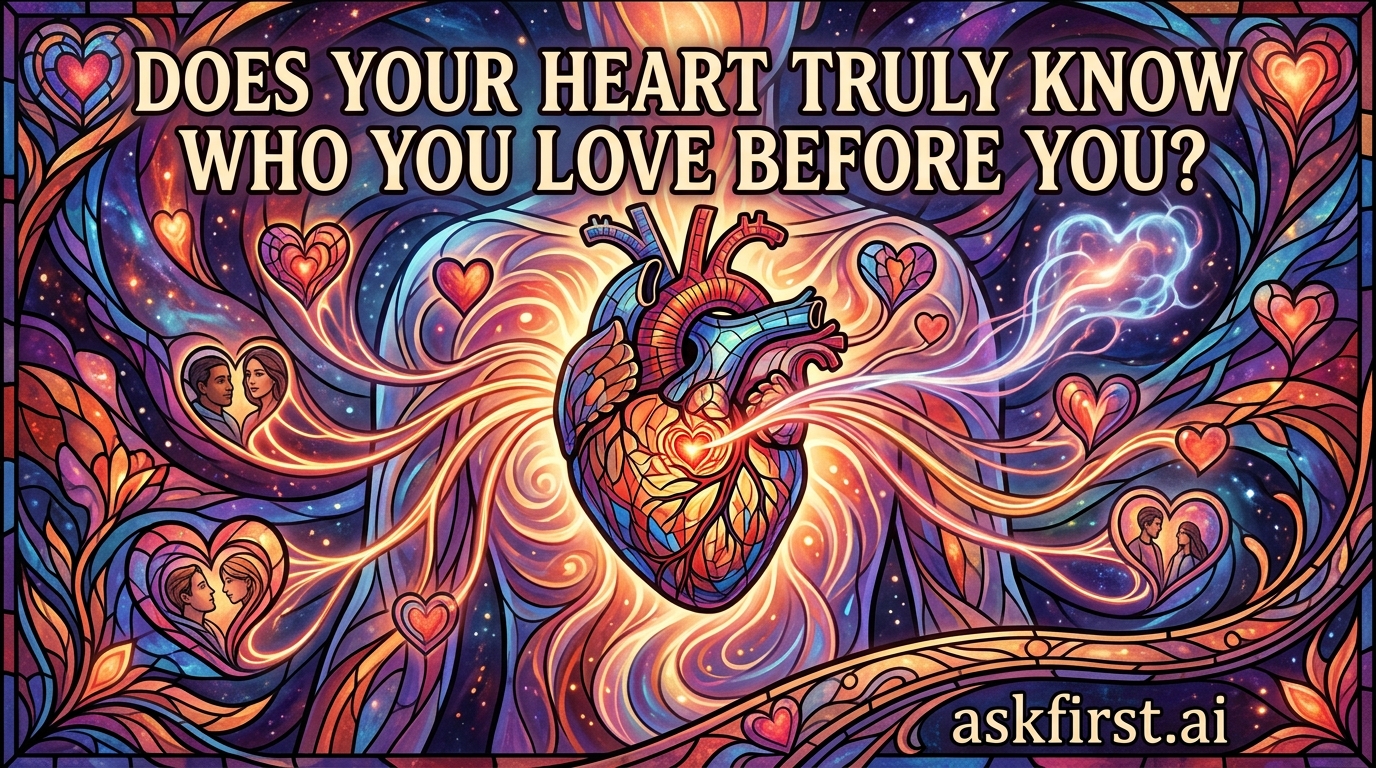
The phenomenon of falling in love often feels like a sudden lightning strike, yet neuroscientific research suggests a far more complex, subterranean process occurring within the brain and body long before a conscious realization takes hold. The human heart, while not the literal seat of intelligence, acts as an emotional transducer, reacting to physiological changes triggered by the autonomic nervous system. When the brain detects specific chemical signals—pheromones, facial symmetry, or behavioral cues—it initiates a series of hormonal responses that the body experiences as 'love' or 'attraction' before the rational mind can process the logic behind the selection.
The Subconscious Filter: Predictive Processing
Cognitive science posits that the brain operates on a system of predictive processing. This means the subconscious is constantly scanning for patterns that match a person’s deep-seated internal models of security, attraction, and potential companionship. Before a person consciously identifies a crush, the brain has already engaged in extensive data processing.
- Pheromonal Signaling: Research into the Major Histocompatibility Complex (MHC) suggests humans are subconsciously drawn to the scent profiles of potential partners who possess immune system genes different from their own, which promotes genetic diversity in offspring.
- Micro-Expression Analysis: The amygdala processes facial expressions and subtle bodily cues in milliseconds, identifying compatibility based on social history and emotional safety metrics long before the prefrontal cortex—the logical brain—is invited to the party.
The Body’s Early Warning System
Often described as a 'gut feeling' or a 'heart-tug,' these physical sensations are the result of the vagus nerve bridging the gap between the brain and the thoracic cavity. When the brain senses a compatible partner, it triggers a release of oxytocin, dopamine, and norepinephrine. These neurotransmitters manifest physically as increased heart rate, dilated pupils, or a fluttery sensation in the diaphragm.
Science writer Helen Fisher, a prominent researcher in the biology of love, notes that the brain's reward system can become active during initial attraction long before an individual is capable of admitting their feelings aloud. The heart serves as a physical witness to this neurological cascade, providing the feedback loop that signals the conscious mind to pay attention.
Myth vs. Reality: The Rational Mind's Role
There is a popular myth that love is a purely logical choice made by the personality. However, psychological studies show that while the prefrontal cortex can evaluate social status, wealth, and shared interests, it often follows the lead of the limbic system.
- The Rational Lag: The conscious realization of love is usually an attempt by the brain to 'explain' the physiological symptoms already present in the body.
- Cognitive Justification: Humans are expert storytellers. Once the heart-brain axis identifies a connection, the conscious mind constructs a narrative to justify why that person is the 'right' choice.
Evolutionary Advantages
Why does the body recognize love before the mind? From an evolutionary perspective, speed was critical. In ancestral environments, the ability to rapidly assess a potential partner for safety, vitality, and cooperative spirit was a survival advantage. Those who relied on slow, logical deduction might have missed essential biological cues. By bypassing the conscious, deliberative mind, the body ensured that human pair-bonding occurred with maximum efficiency.
Conclusion: The Synthesis of Heart and Mind
Does the heart know before you? The evidence points to a definitive 'yes' in terms of physiological reactivity and subconscious pattern recognition. The brain processes environmental and biological data at a speed and depth that remains invisible to the conscious self.
Understanding this dynamic transforms the experience of love from a mysterious accident into a fascinating dialogue between internal biology and external social environments. Next time that familiar, unexplained pull occurs toward someone, recognize that the brain and the heart have likely been conducting their private, internal vetting process for weeks, if not months, in the silent depths of the subconscious. Awareness of this process does not diminish the magic of the experience; rather, it highlights the sophisticated, biological marvel that is the human capacity for connection. The mind may be the final stage in the theater of love, but the heart and the subconscious are its primary directors.