The Psychology of Vulnerability: Decoding Emotional Intimacy
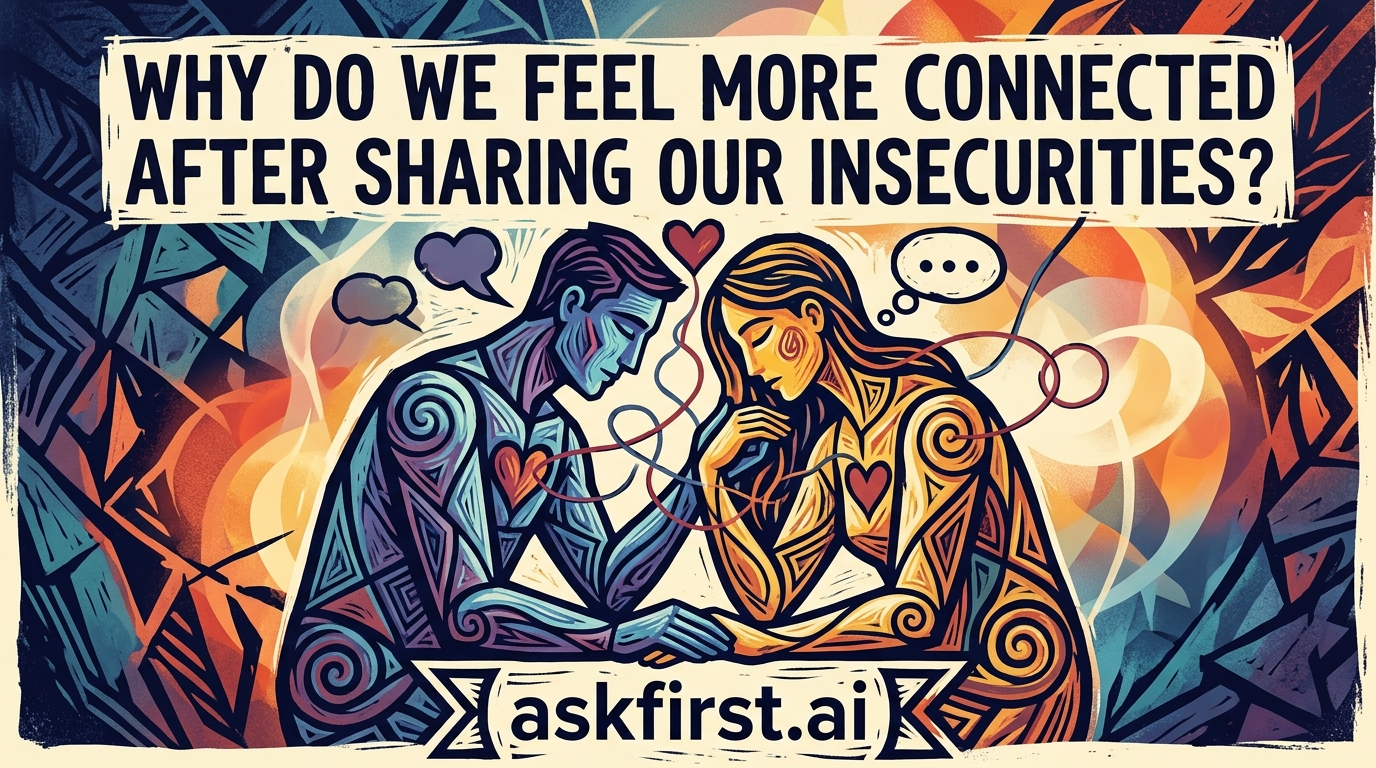
Human connection is the fundamental architecture of our species, yet the mechanism behind deep relational bonds is often counter-intuitive. While social etiquette often encourages putting one's best foot forward, research suggests that the true catalyst for intimacy is not the projection of strength, but the admission of fragility. Sharing insecurities acts as a powerful social lubricant that dismantles defensive barriers and builds a bridge of radical empathy between individuals.
The Vulnerability Paradox
The phenomenon often termed the "vulnerability paradox" posits that while individuals fear that revealing personal insecurities will lead to rejection, the opposite is generally true. In psychological terms, vulnerability signals trustworthiness. When an individual admits to a personal struggle, they essentially drop their social armor. This act of disarming invites the other party to do the same, creating a reciprocal loop of authenticity that is rarely possible when maintaining a polished, invulnerable façade.
Scientific Foundations: The Role of Empathy and Mirroring
Neuroscience provides evidence for why this connection occurs on a biological level. When someone shares a personal insecurity, they often describe feelings of doubt, fear, or inadequacy. The listener, who has likely experienced similar human conditions, triggers a process known as empathy mirroring. The brain’s mirror neuron system activates, allowing the listener to map the speaker's emotional state onto their own experience. This shared resonance confirms that both parties are operating within the same human spectrum, reducing the sense of isolation that often characterizes the human experience.
Furthermore, the release of oxytocin—often called the "bonding hormone"—is frequently linked to these moments of vulnerability. When an individual expresses a vulnerable truth, they are engaging in a high-risk social act. If the response from the listener is validation or compassionate silence, the brain registers this as a safe encounter. This release of oxytocin reinforces social bonds, making the pair feel more secure and connected.
Why Perfection Repels, but Insecurities Attract
It is a common myth that high-achieving, seemingly perfect individuals are the most attractive partners or friends. However, perfection often creates distance. A person who appears flawless is inherently relatable only on a superficial level; they serve as a pedestal rather than a partner. Insecurities, by contrast, act as the "cracks" that let the light in, as Leonard Cohen once poetically phrased it. By displaying these cracks, one demonstrates:
- Relatability: It confirms that the individual is human and flawed.
- Courage: It highlights the strength required to be honest, which is often viewed as a more attractive trait than surface-level confidence.
- Trust: It shows that the individual is willing to let their guard down, which invites the listener to trust them with their own deeper truths.
Establishing Psychological Safety
In organizational psychology, the concept of psychological safety—as popularized by researchers like Amy Edmondson—is essential for team performance. When members feel safe enough to admit mistakes or insecurities, innovation and collaboration flourish. The same logic applies to personal relationships. Sharing insecurities creates a "safe harbor" where neither party feels the need to compete for the status of 'being better.' Instead, the relationship shifts from a competitive dynamic to a collaborative one.
Practical Steps Toward Authentic Connection
Developing this level of intimacy does not require oversharing or neglecting boundaries. It involves strategic, authentic disclosure. Consider the following approaches:
- The Goldilocks Rule of Vulnerability: Share enough to be authentic, but ensure the context is appropriate. Avoid 'dumping' trauma, and focus instead on internal states of doubt or growth.
- Invite Reciprocity: Frame the sharing of insecurities as an invitation. Use phrases like, "I find I struggle with this sometimes, have you ever felt the same?"
- Validate, Don't Fix: When someone shares an insecurity, the urge is often to 'fix' them. Refrain. Instead, simply acknowledge that their feeling is understandable. Validating the experience of another is the highest form of connection.
The Long-Term Impact on Human Bonds
In a world increasingly dominated by curated digital personas, the act of showing one’s authentic, insecure self is a radical act of honesty. By dropping the mask, individuals signal that they value the person in front of them more than they value their own ego-protection. This foundational shift is what allows relationships to move from casual acquaintance to deep, lifelong companionship. Ultimately, we feel more connected after sharing our insecurities because we are finally seeing each other not as performances, but as people.