The Eternal Nature of Honey: Science Behind the Sweetness
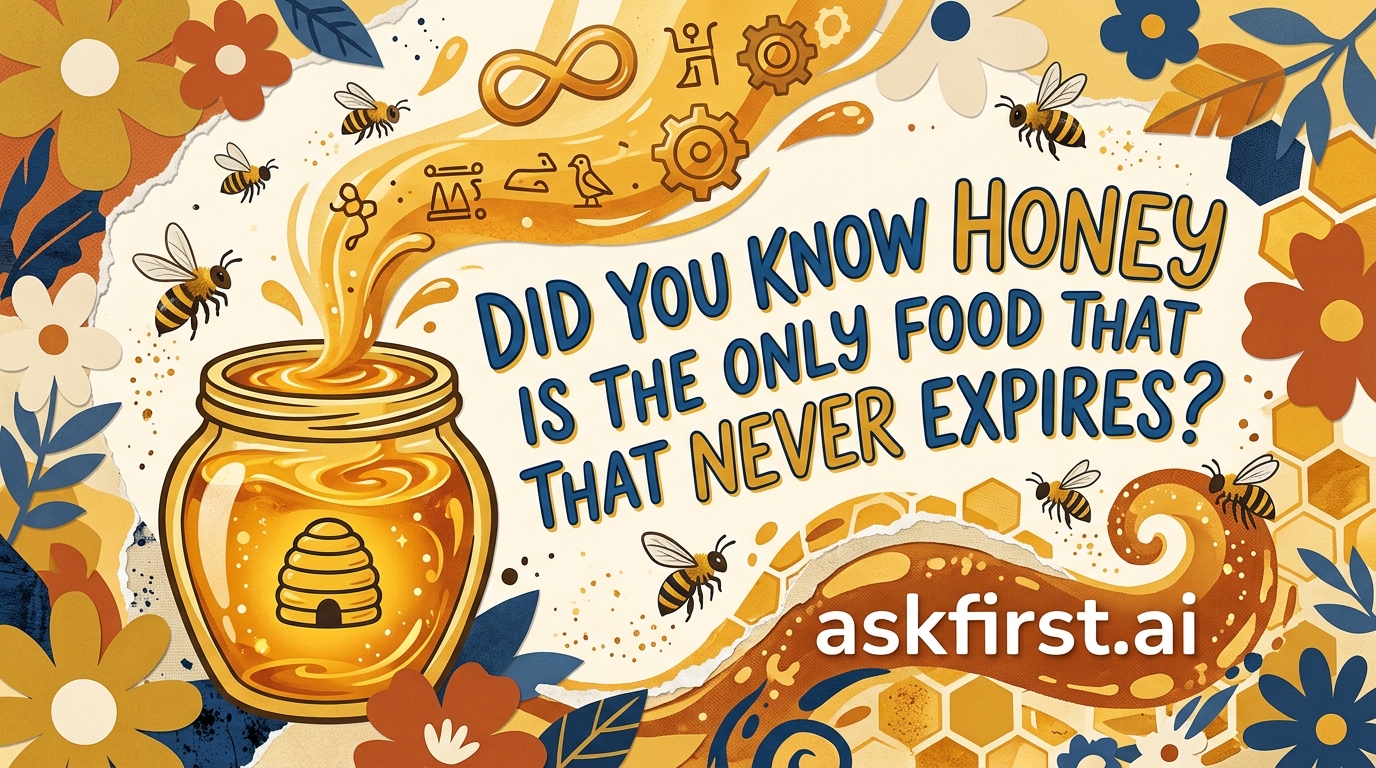
Honey is one of the most remarkable substances found in the natural world. Often referred to as liquid gold, its unique chemical composition allows it to remain edible for thousands of years. Archaeologists have famously discovered pots of honey in ancient Egyptian tombs—some over 3,000 years old—that are still perfectly preserved and safe to consume. This phenomenon is not merely a curious quirk of nature but a sophisticated biological interaction.
Why Honey Never Spoils: The Chemical Fortress
Several distinct factors work in harmony to make honey an inhospitable environment for bacteria and microorganisms that typically cause food decay:
- Low Moisture Content: Honey is hygroscopic, meaning it contains very little water in its raw state. Bacteria need moisture to thrive, and the low water content in honey effectively dehydrates any microorganism that attempts to colonize it.
- High Acidity: The pH of honey typically ranges between 3 and 4.5. This level of acidity is sufficient to kill off most bacterial threats, acting as a natural chemical barrier.
- Hydrogen Peroxide Production: During the process of making honey, bees introduce an enzyme called glucose oxidase. When honey is active, this enzyme reacts with glucose to produce hydrogen peroxide, a mild antiseptic that serves as a protective layer against external contaminants.
The Role of Osmosis
Osmosis plays a crucial role in why honey does not ferment. Because honey is extremely dense and sugar-rich, it creates a high osmotic pressure. If a bacterium manages to land in a jar of honey, the osmotic pressure draws the water out of the bacterial cells, effectively destroying the invader. Without water, the bacteria simply cannot survive or multiply, rendering the honey sterile.
The Importance of Proper Storage
While honey is technically imperishable, its quality can be impacted by human handling. The primary threat to honey is not expiration, but crystallization and humidity.
Crystallization is not spoilage. Many people mistakenly discard honey when it turns cloudy or solid. This is a natural physical change. Because honey is a supersaturated sugar solution, the glucose molecules naturally separate from the water over time. Simply placing the jar in a bowl of warm water or near a gentle heat source will return the honey to its smooth, liquid state without damaging its nutritional profile.
Humidity is the true enemy. If the jar is left open, honey will absorb moisture from the air. Once the water content rises above 18-20 percent, the protective barrier is compromised, and the honey can begin to ferment. Therefore, the secret to honey lasting forever is simple: keep the lid tightly closed in a cool, dry place.
Nutrition and Longevity
Beyond its shelf life, honey is a complex substance containing various bioactive compounds, including flavonoids and phenolic acids. These antioxidants have been linked to numerous health benefits, such as reducing inflammation and supporting immune health. Unlike refined sugars that provide empty calories, raw honey maintains its nutritional integrity regardless of how long it sits on a pantry shelf.
Myth vs. Reality: Are there other foods?
While honey is the most famous example of a food that doesn't expire, it is not the absolute only one. Other substances such as salt, dried white rice, sugar, and pure maple syrup also have indefinite shelf lives when stored properly. However, honey is unique because it is an active biological product created by an insect, rather than a refined mineral or a dry grain. It is the only food that contains "living" enzymes that effectively protect the substance from within.
A Sustainable Gift from Nature
In a world where food waste is a significant global concern, honey stands out as a testament to nature's efficiency. Its ability to last indefinitely makes it a sustainable choice for food storage. By understanding the science behind the sweetness, consumers can appreciate the effort of the honeybees and the marvels of biochemistry. Honey serves as a reminder that some of the best foods are those that have remained unchanged for millennia, waiting in their golden, crystallized perfection to be enjoyed time and time again.