The Eternal Nature of Honey: Nature's Culinary Miracle
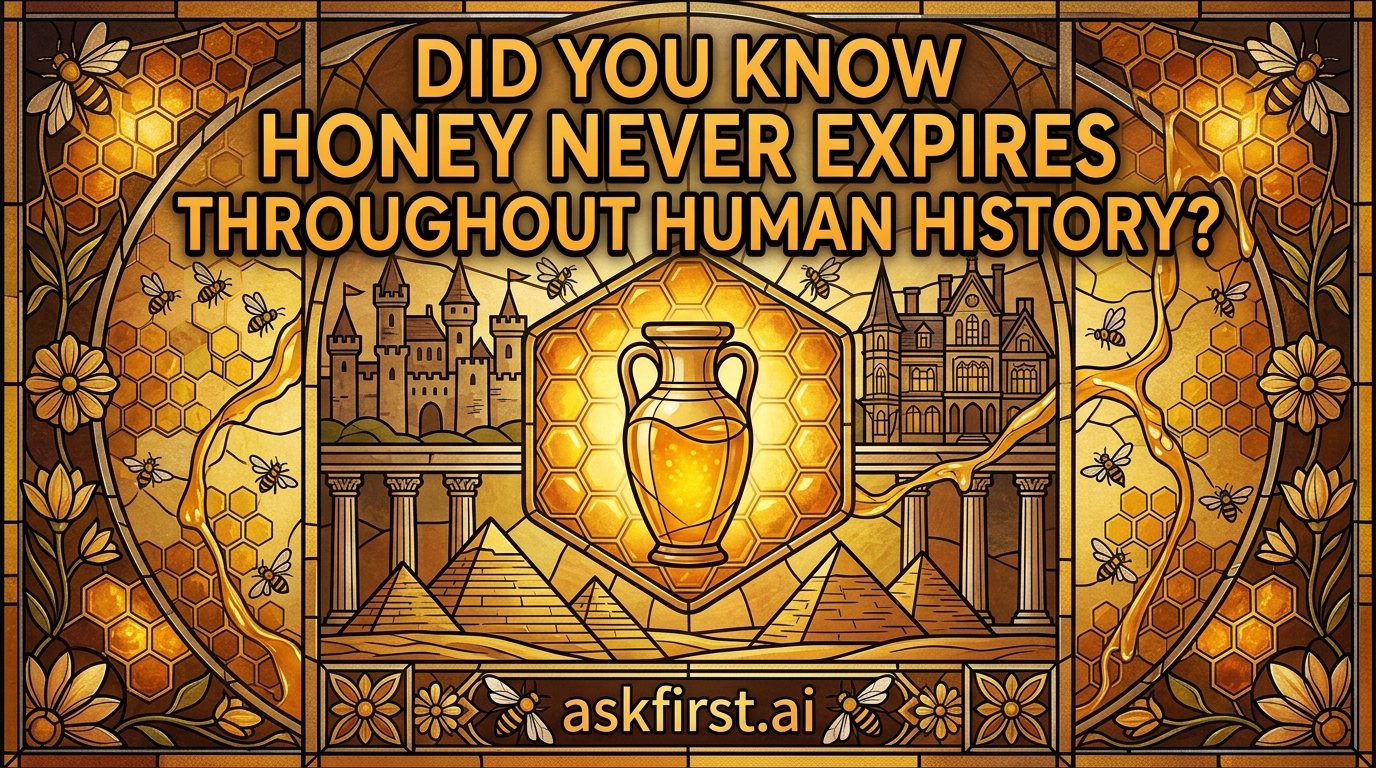
Honey, often referred to as liquid gold, stands as one of the most fascinating phenomena in the natural world. It is the only food source on the planet that is essentially immortal. Archeologists excavating ancient Egyptian tombs have discovered pots of honey dating back over 3,000 years, and remarkably, the substance remained perfectly edible. This preservation is not a result of human additives or chemical processing, but rather a perfect storm of biological and chemical conditions engineered by nature.
The Chemical Architecture of Longevity
To understand why honey lasts forever, one must look at its unique chemical composition. Honey is inherently inhospitable to microorganisms that typically cause food spoilage. Three primary factors contribute to this status:
- Low Moisture Content: Honey is hygroscopic, meaning it contains very little water in its natural state. Most bacteria and microorganisms require moisture to thrive and multiply. Because honey sucks moisture out of its environment, any bacteria attempting to infiltrate the substance are effectively dehydrated and rendered inert.
- High Acidity: Honey has a pH level typically ranging between 3 and 4.5. This acidic environment acts as a natural defensive barrier against common food-borne pathogens, making it nearly impossible for harmful bacteria to colonize.
- Hydrogen Peroxide Production: When bees create honey, they introduce an enzyme called glucose oxidase. As the honey matures, this enzyme breaks down glucose into gluconic acid and hydrogen peroxide. The presence of hydrogen peroxide serves as an active antimicrobial agent, suppressing the growth of unwanted yeast or bacterial contaminants.
The Role of the Honeybee
The preservation process begins long before the honey reaches the pantry. Worker bees play a vital role through a process of evaporation. Nectar is collected from flowers and is approximately 80% water. Through a systematic process of regurgitation and fanning with their wings, bees evaporate the excess water until the concentration reaches roughly 18%. This transformation of thin nectar into thick, viscous honey is what ensures the long-term stability of the final product.
Debunking Common Myths
There is a common misconception that crystallization implies spoilage. If honey hardens or turns cloudy over time, it is simply a physical change in the sugar structure—specifically the conversion of glucose into crystals. This is a sign of purity, not degradation. Simply placing the jar in a warm water bath will return it to its original, smooth consistency. The biological integrity of the honey remains untouched throughout this transition.
Historical Significance and Preservation
Throughout human history, honey was the primary sweetener available to civilizations. Beyond its culinary application, its status as an 'immortal' food made it highly revered in religious and funerary rites. Ancient societies recognized that if a substance could last for thousands of years, it possessed a unique 'life force' or purity. Today, modern science validates this intuition, placing honey in a category of food that transcends the conventional expiration cycles of perishable goods.
Proper Storage for Eternal Shelf Life
While honey does not expire, its quality can be maintained optimally through proper storage practices. To ensure the longest shelf life:
- Keep it Sealed: Because honey is hygroscopic, it can absorb moisture from the air if the lid is left open. This increases the water content and creates the potential for fermentation. Always ensure the container is tightly closed.
- Avoid Extreme Heat: While honey is durable, excessive heat can cause the color to darken and the flavor profile to change, essentially 'cooking' the honey over long durations. Store it at room temperature in a cool, dark cupboard.
- Use Clean Utensils: Introducing foreign particles, such as bread crumbs or butter from a knife, can introduce moisture or bacteria into the jar. Always use a clean, dry spoon to preserve the purity of the remaining contents.
Conclusion: A Gift from Nature
The immortality of honey is a testament to the sophisticated evolutionary strategy of honeybees. By creating a substance that is low in water, high in acidity, and rich in hydrogen peroxide, these insects have crafted a food source that bypasses the natural laws of decay. It serves as a reminder of how intricately nature balances stability and nutrition, providing humans with a food that can be enjoyed across generations.