The Anatomy of an Earworm: Decoding Musical Addiction
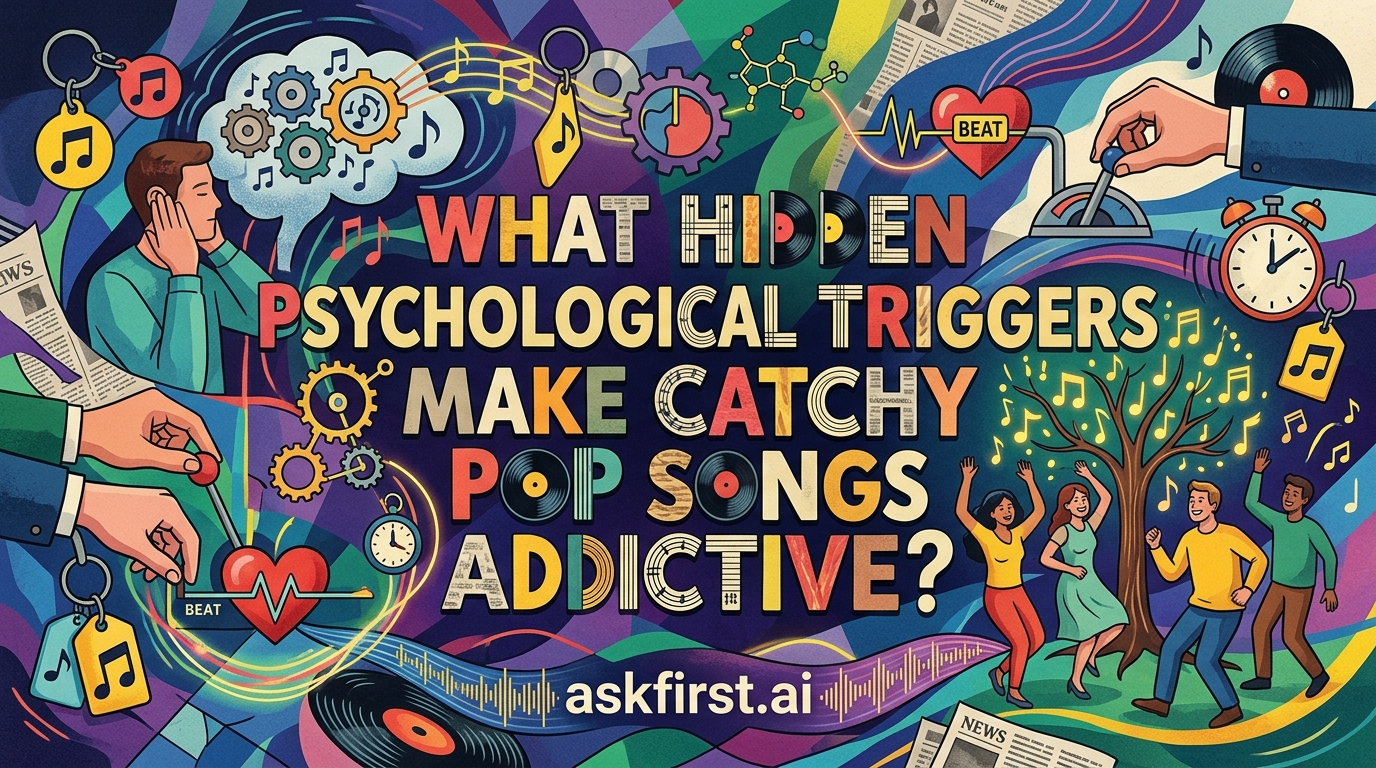
Music possesses a profound ability to manipulate human neurobiology, transforming mere sound waves into experiences that linger within the psyche long after the melody concludes. The phenomenon of the 'earworm'—a song that plays on a loop in one's mind—is not a random occurrence but a carefully engineered product of psychological and musical precision. When experts analyze why certain pop tracks become impossible to ignore, they point to a convergence of rhythm, repetition, and cognitive reward systems.
The Power of Repetition and Predictability
Human brains are naturally wired to seek patterns. Evolutionary biology dictates that recognizing recurring motifs allowed ancestors to predict events and survive in complex environments. In music, this preference manifests as the 'Goldilocks Effect.' When a song is too simple, it bores the listener; when it is too complex, the brain struggles to process it. Catchy pop music hits the perfect middle ground by utilizing predictable melodic structures with just enough variation to remain interesting. The brain experiences a dopamine release when it successfully predicts the next note in a sequence, creating a biological incentive for the listener to stay engaged.
The Mere Exposure Effect
Psychologist Robert Zajonc defined the 'Mere Exposure Effect' as the tendency for people to develop a preference for things merely because they are familiar with them. Pop music utilizes this principle through intense radio play and streaming rotation. As a listener hears a track repeatedly, the cognitive effort required to process the music diminishes, and the brain shifts from an analytical state to a state of 'fluent' consumption. This sense of familiarity breeds comfort, and comfort breeds affection. By the time a chorus is heard for the tenth time, it feels like an old friend, reducing psychological resistance and cementing the melody in the long-term memory centers of the brain.
Rhythmic Drive and the Somatic Response
Music is not just heard; it is felt. The rhythmic structure of pop music, specifically the 4/4 time signature dominant in modern hits, aligns with the human heartbeat and gait. This synchronization triggers the motor cortex, the part of the brain responsible for voluntary movement. When a listener involuntarily taps a foot or nods a head to a beat, the song transcends being a passive auditory experience and becomes a somatic, physical engagement. This physical feedback loop reinforces the pleasure derived from the music, making the addictive quality both mental and physiological.
The Role of Contrast and Surprise
While repetition forms the foundation, the 'hook' provides the essential spark. A song's hook is a melodic, rhythmic, or lyrical phrase designed to catch the ear immediately. Successful hooks often rely on dynamic contrast. For instance, shifting from a low, subdued verse to a high-energy, explosive chorus creates a dramatic arc that keeps the brain in a state of high alert. This shift is sometimes accompanied by an 'unexpected' harmonic change or a slight deviation from the established rhythm, which acts as a dopamine trigger. The brain, momentarily startled by the novelty, quickly categorizes the surprise as pleasurable, deepening the memory of that specific sonic moment.
The Cultural and Emotional Context
Addictive music also leverages universal emotional triggers. Pop songs frequently revolve around archetypal themes—longing, joy, heartbreak, and resilience—that resonate with the human experience across cultures. By pairing high-energy production with lyrics that tap into intense, relatable emotions, producers create a multi-layered experience. The music does not just provide rhythm; it provides a soundtrack for the listener's own internal narrative. This emotional anchoring ensures that the song remains 'sticky,' as the brain associates the melody with significant or evocative personal feelings.
Linguistic and Prosodic Patterns
Finally, the linguistics of pop music play a crucial role. Phoneticians note that catchy songs often utilize strong consonants and rhythmic phrasing that mimic the flow of spoken language, making lyrics easy to memorize. The combination of percussive consonants and clear vowel sounds creates a 'sonic texture' that is easy to articulate, encouraging the listener to sing along. Singing—or even subvocalizing—the lyrics engages the brain's language centers in tandem with its auditory centers, providing a dual-pathway to neural retention. This 'dual-coding' ensures the song remains deeply embedded, ready to be 'played' again by the brain at a moment's notice.