The Neuroplasticity of Decision-Making
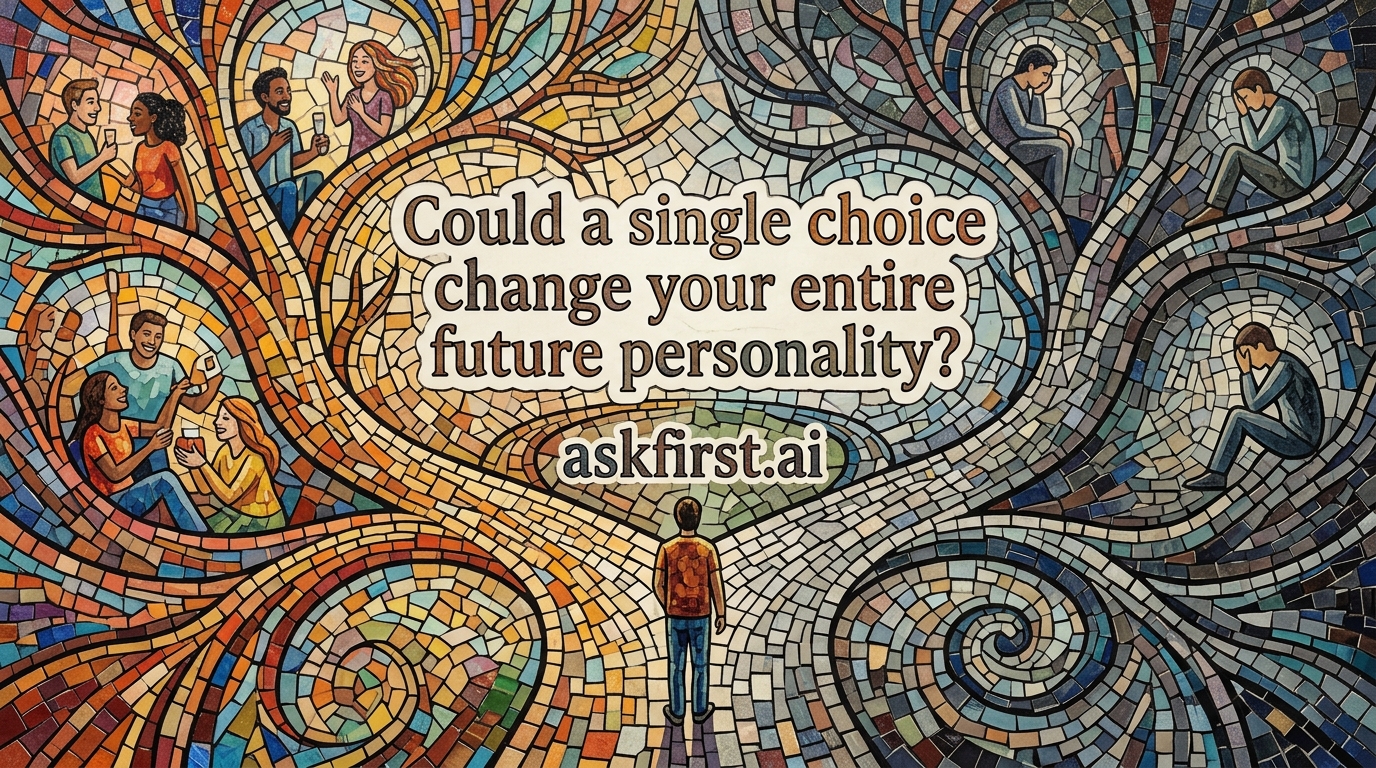
The inquiry into whether a single decision can fundamentally restructure personality is one of the most compelling topics in modern behavioral science. Personality, traditionally viewed as a fixed collection of traits (the Big Five model: Openness, Conscientiousness, Extraversion, Agreeableness, and Neuroticism), is now understood through the lens of neuroplasticity. Neuroplasticity refers to the brain's ability to reorganize itself by forming new neural connections throughout life. When an individual makes a significant choice that deviates from established habits, they initiate a cascade of synaptic shifts that can eventually manifest as a core change in character.
The Butterfly Effect of Habitual Behavior
Psychological research suggests that personality is essentially the sum of our consistent behavioral patterns. A single 'pivot' choice acts as a catalyst. For instance, consider the decision to adopt a radical habit—such as public speaking, learning a challenging new skill, or moving to a foreign country. By consistently acting outside of one's comfort zone, the brain engages in synaptic pruning and strengthening. As neurons that fire together wire together, the individual begins to interpret the world through a new frame of reference. This feedback loop transforms an action into a trait.
- The Commitment Mechanism: Making a public declaration of a new identity forces social accountability. This accountability reinforces the neural pathway associated with the new behavior.
- Cognitive Dissonance Resolution: When a choice conflicts with a past self-image, the brain must resolve the tension. Usually, the individual adapts their belief system to justify the new behavior, effectively 'rewriting' their self-concept.
Theoretical Frameworks: The 'Identity-Based' Approach
James Clear, in his work on habit formation, emphasizes that true change is identity-based rather than outcome-based. If a person chooses to embrace the label of 'athlete' after one decisive moment of hitting the gym, that choice begins to influence every subsequent micro-decision. This phenomenon, known as Self-Perception Theory, posited by Daryl Bem, suggests that people develop their attitudes by observing their own behavior. If one chooses to act with extreme kindness during a critical moment, the subconscious brain concludes: 'I must be a kind person.' The decision serves as evidence for the mind to construct a new personality profile.
Evidence from Longitudinal Studies
Psychologists have observed 'personality maturation' throughout the lifespan, noting that major life events—career changes, marriage, or sudden epiphanies—often precede shifts in temperament. Studies indicate that individuals who commit to 'volitional personality change' (deliberately seeking to be more agreeable or open) can achieve significant results within as little as sixteen weeks. The single choice provides the activation energy required to overcome the inertia of established patterns. Without this initial choice, the brain remains in its default state, favoring energy efficiency over behavioral growth.
Practical Application: The Power of the 'Pivot'
- Define the Ideal Self: Visualize the specific trait you wish to embody. Research indicates that clear visualization primes the brain for behavior alignment.
- The Trigger Decision: Identify the small, actionable choice that symbolizes your commitment to this new trait. Whether it is waking up at 5:00 AM to study or volunteering for a challenging project, this choice must be deliberate.
- Environmental Priming: Change the external environment to support the internal change. If you have chosen to be more 'Open,' curate your surroundings to encourage exploration.
- The Consistency Reinforcement: Understand that personality is not a destination but a continuous process of repetition. The single choice is merely the foundation; the structure is built by daily adherence to the new trajectory.
Conclusion: The Architecture of the Self
Ultimately, while genetics and early environment provide the 'base coat' of the personality, the conscious mind possesses the agency to repaint the masterpiece. Every significant choice carries the weight of future momentum. By understanding that the brain is an evolving organ rather than a stagnant entity, individuals can recognize that they are not trapped by their past behaviors. The power of a single, decisive choice lies in its ability to interrupt the status quo, effectively handing the individual the tools to design their future self. Personality is not a prison; it is a dynamic sculpture, waiting for the sculptor to pick up the chisel.