The Science of Connection: Physiological Synchrony and Cardiovascular Health
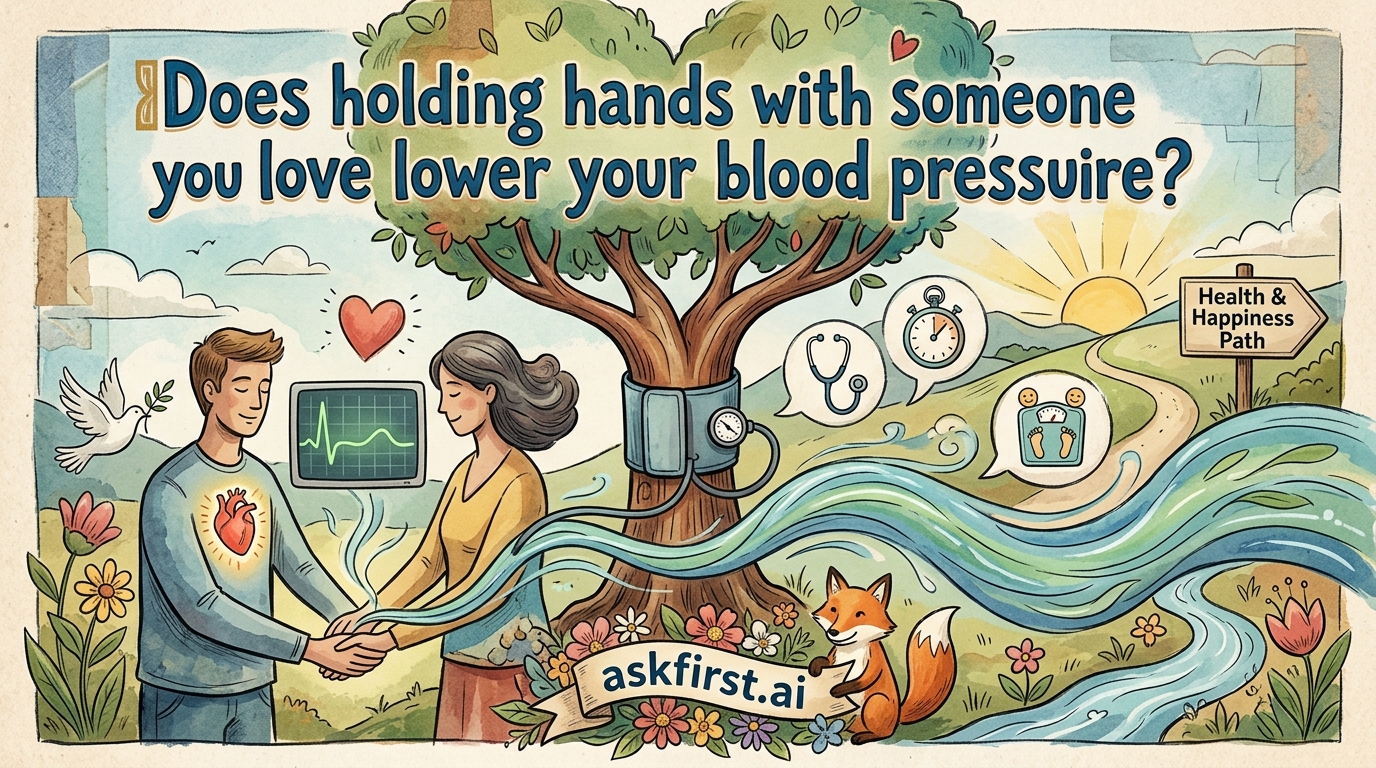
It is a widely observed phenomenon that physical intimacy, particularly the simple act of holding hands with a loved one, triggers a cascade of physiological responses. The inquiry into whether this gesture influences cardiovascular markers like blood pressure is rooted in the broader study of social support and stress buffering. Research suggests that human touch functions as a powerful regulator of the autonomic nervous system, effectively acting as a natural sedative for the body's internal stress response.
The Mechanism of Action: The Vagus Nerve and Oxytocin
At the core of this physiological phenomenon is the interaction between physical touch and the endocrine system. When two individuals hold hands, particularly when there is an established emotional bond, the brain stimulates the release of oxytocin, often referred to as the 'love hormone.' Oxytocin is a neuropeptide that plays a significant role in social bonding and stress reduction. Simultaneously, touch facilitates the activation of the vagus nerve, which is a key component of the parasympathetic nervous system. This activation helps to counter the 'fight-or-flight' response, characterized by elevated cortisol and norepinephrine levels. As cortisol levels decrease, the body experiences a systemic reduction in vascular resistance, which facilitates a drop in systolic and diastolic blood pressure.
Experimental Evidence and Clinical Observations
Several seminal studies have investigated the impact of interpersonal touch on cardiovascular regulation. One notable study involved participants undergoing stressful tasks, such as public speaking or mental arithmetic, while being allowed to hold hands with a romantic partner. The results consistently demonstrated that those who held hands exhibited a lower increase in blood pressure compared to those who faced the stressors alone or without physical support. The calming effect is not merely subjective; it is measurable through electromyography, heart rate variability sensors, and sphygmomanometers. The data indicates that the presence of a supportive partner through physical touch effectively dampens the body’s reactivity to external psychological stressors.
The 'Pain-Relief' Analogy and Physiological Synchronization
Recent advancements in social neuroscience have introduced the concept of 'interpersonal synchronization.' When people in close relationships hold hands during a distressing event, their brain waves and respiratory cycles tend to align. This coupling suggests that the body is not acting in isolation but is participating in a shared physiological framework. Just as touch can modulate pain perception by distracting the brain's processing centers, it can modulate heart rate and blood pressure by providing a sense of physical security. This is particularly relevant for those dealing with chronic stress, as frequent, positive touch acts as a buffer against the wear and tear typically caused by high blood pressure on the arterial walls.
Why Emotional Bond Matters
It is critical to note that the depth of the relationship significantly influences the efficacy of this response. The brain distinguishes between touch from a stranger and touch from a trusted, loved individual. The prefrontal cortex and the amygdala, which process emotional security and threats, respectively, respond with more significant downregulation when the touch is provided by someone with whom a person shares a deep emotional bond. This signifies that the physiological benefits are intertwined with the psychological experience of trust and intimacy.
Practical Implications for Everyday Well-being
Understanding the link between physical touch and cardiovascular health provides a simple, accessible tool for managing daily stress. Integrating small acts of physical connection into daily routines can contribute to long-term arterial health by reducing the frequency of stress-induced blood pressure spikes. While holding hands should not replace medical treatment for hypertension, it is a valuable complementary practice that supports the overall resilience of the cardiovascular system.
- Stress Mitigation: Actively lowering cortisol in real-time.
- Vagal Tone Enhancement: Promoting a state of 'rest and digest.'
- Oxytocin Release: Creating a biochemical environment of safety.
Conclusion: A Biological Necessity
Human beings are inherently social creatures, and our bodies are designed to function optimally within supportive social networks. The act of holding hands is far more than a symbolic gesture; it is a biological mechanism that signals safety to the nervous system. By reducing the physical markers of stress—including blood pressure—this simple, intentional act serves as a testament to the profound connection between emotional intimacy and physiological health. Maintaining these connections is a fundamental component of a healthy lifestyle that promotes longevity and emotional equilibrium throughout the lifespan.