The Psychology of Vulnerability and Connection
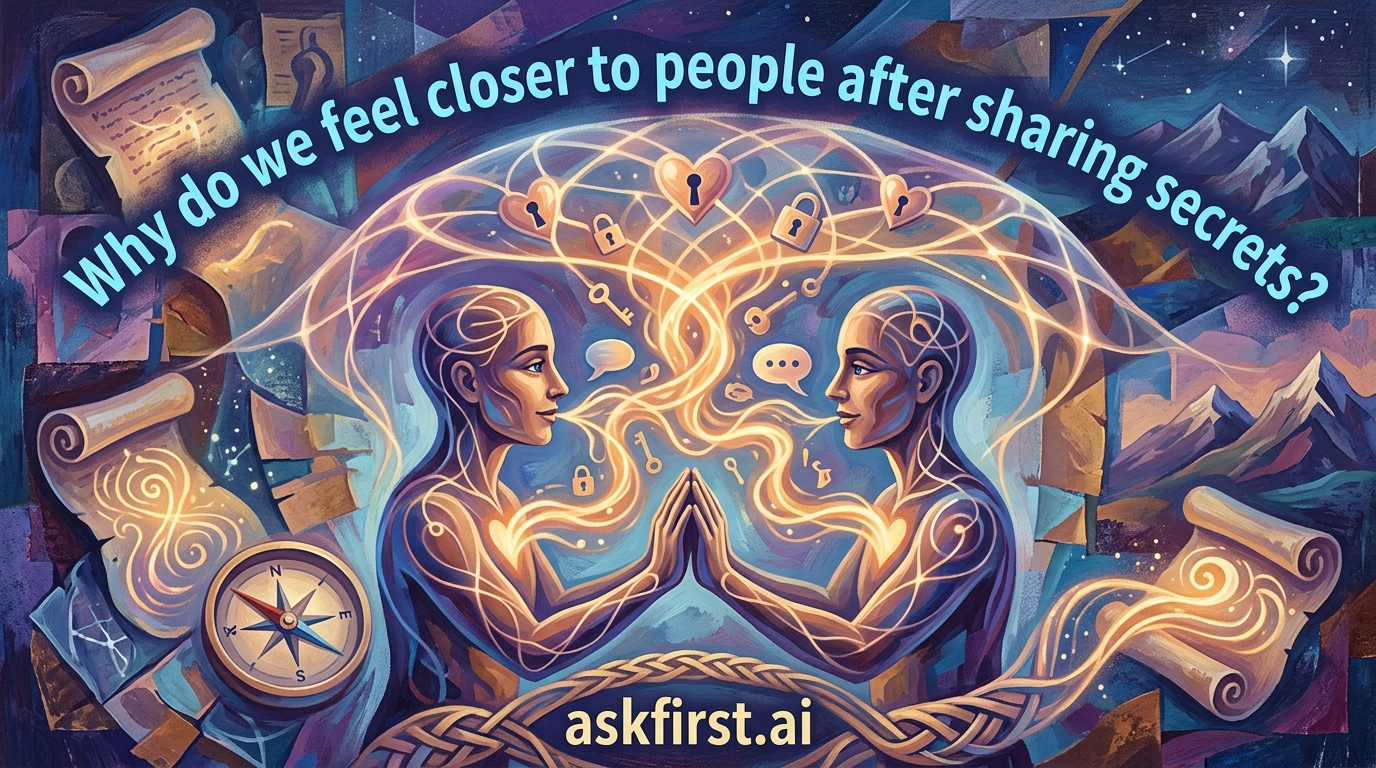
The phenomenon of feeling an intensified bond after revealing a secret is rooted in the fundamental human need for social belonging and reciprocal trust. When individuals share private information, they are engaging in a process known as self-disclosure. According to Social Penetration Theory, developed by psychologists Irwin Altman and Dalmas Taylor, relationships progress through the gradual exchange of information. Moving from superficial surface topics to deeply personal 'secrets' functions as an accelerant for intimacy, effectively bypassing the typical evolutionary time-buffer required to establish safety within a social group.
The Mechanism of Reciprocity
At the core of this experience lies the Norm of Reciprocity. When a person shares a secret, they essentially offer a piece of their inner landscape—a vulnerable asset—to another person. This action implicitly signals: 'I trust you with this valuable information.' The recipient, feeling the weight of this trust, is cognitively and emotionally compelled to respond in kind. By sharing their own secret, the recipient restores a sense of equilibrium in the relationship. This exchange creates a unique 'shared reality' that distinguishes the two individuals from the rest of the world, fostering an 'us versus them' mental framework that solidifies the bond.
The Role of Oxytocin and Neurochemistry
Modern neuroscience provides a biological explanation for this phenomenon. Vulnerability triggers the release of oxytocin, often referred to as the 'cuddle hormone' or the 'bonding hormone.' While oxytocin is commonly associated with physical intimacy, it plays a critical role in social bonding and the reduction of amygdala activity—the brain’s fear center. When we share a secret, we are performing a 'leap of faith' that the other person will not weaponize our vulnerability. If the other person responds with empathy rather than judgment, the resulting surge of oxytocin reinforces the brain’s reward system, making the act of sharing feel pleasurable and safe.
Psychological Safety and Social Validation
Sharing a secret provides profound social validation. Many secrets are held because of internal shame or the fear of societal disapproval. By articulating a secret to another person who then accepts it without condemnation, the sharer undergoes a process of 'co-regulation.' The other person’s non-judgmental stance allows the sharer to reassess their own perspective on the secret, often stripping it of its perceived power to cause harm. This process is essentially a form of informal, non-clinical therapy, which creates a deep sense of relief and gratitude toward the listener.
Key Components of Secret Sharing Success
For secret-sharing to result in increased closeness rather than alienation, several factors must be present:
- Active Listening: The recipient must demonstrate engagement through eye contact, open body language, and empathetic verbal cues.
- Non-Judgmental Response: The listener must suspend social evaluation. If the listener responds with shock or criticism, the bond will likely break instead of strengthen.
- Confidentiality: The implicit contract is that this information remains between the two parties. Violating this trust is the fastest way to dissolve the social bond.
- Mutual Vulnerability: The most enduring bonds occur when both parties participate in this exchange, creating a symmetrical power dynamic.
The Paradox of Secrecy
It is important to recognize that while sharing secrets brings people together, keeping secrets is often mentally taxing. Research into 'the burden of secrecy' indicates that the effort required to conceal information—to constantly monitor one's speech and behavior to avoid a 'slip'—exhausts cognitive resources. When we finally release that burden to a trusted peer, we aren't just gaining a friend; we are offloading a cognitive task that has been draining our psychological energy. The intimacy we feel is therefore twofold: it is the warmth of a new connection and the lightheartedness of being unburdened.
Conclusion: The Architecture of Trust
Ultimately, sharing a secret is the ultimate test of interpersonal architecture. It is an invitation to witness the 'unfiltered' version of an individual. By moving past the persona we present to the general public and showing our 'shadow side,' we invite the other person to do the same. This reciprocal unveiling is what builds the high-tension, high-trust cables that connect human beings across the vast divide of individual experience, turning casual acquaintances into deeply bonded allies.