The Eternal Nature of Honey: Science Behind the Immortality
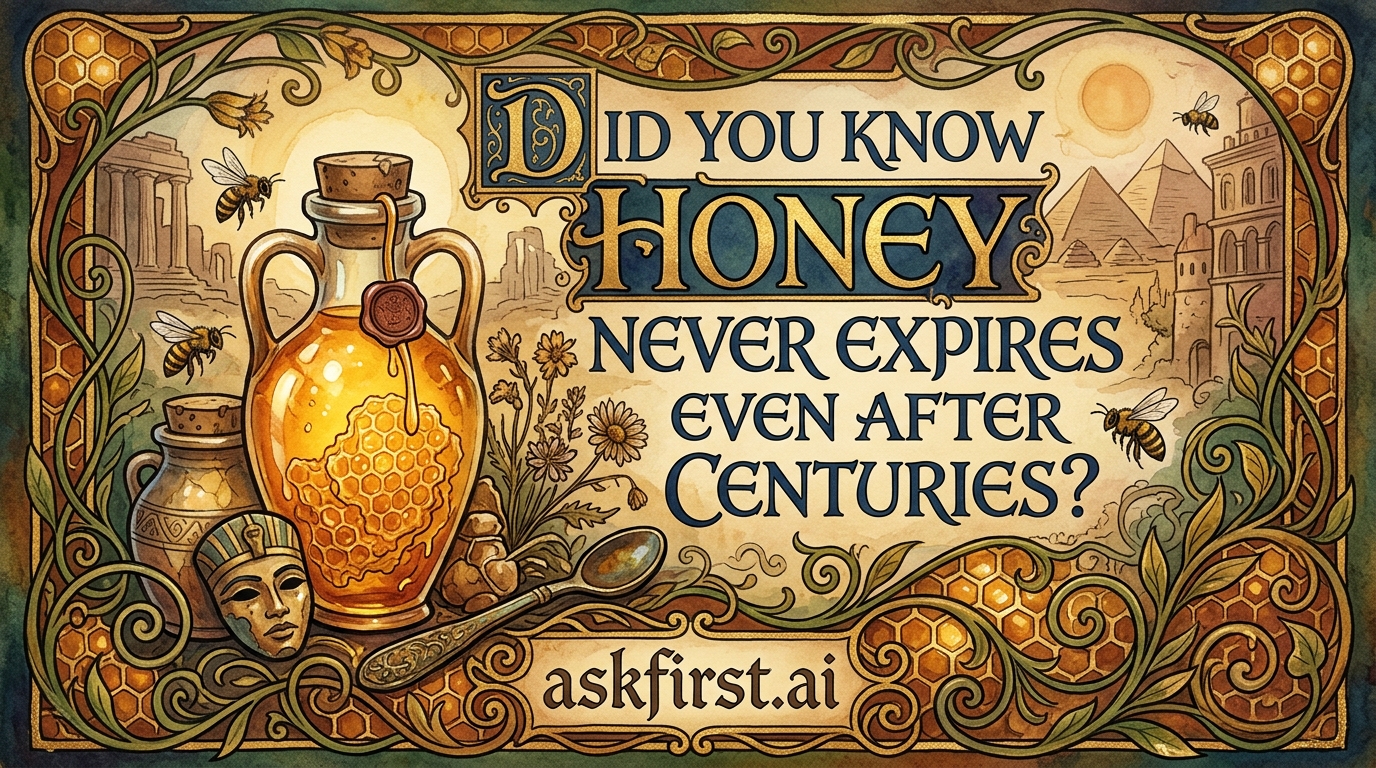
Honey is one of the few food substances on Earth that remains edible for thousands of years. Archaeologists have famously discovered pots of honey in ancient Egyptian tombs—some over 3,000 years old—that were still perfectly preserved. This fascinating longevity is not a magic trick but a masterful display of chemical engineering by nature itself. To understand why honey resists spoilage, one must look at its unique chemical composition, its interaction with microbes, and the specific harvesting methods used by bees.
The Chemical Trifecta: Why Honey Doesn't Spoil
1. Low Moisture Content:
Honey is essentially a supersaturated sugar solution. Bees reduce the water content of nectar—which typically starts at 60-80%—down to roughly 17-18%. Microorganisms, such as bacteria and fungi, require water to thrive and multiply. Because honey is hygroscopic, meaning it absorbs moisture from the air, it naturally dehydrates any bacteria that attempt to colonize it. Without available water, microbes simply cannot survive.
2. Acidity:
Honey is naturally acidic, with a pH level typically falling between 3.2 and 4.5. This relatively low pH is high enough to inhibit the growth of most spoilage-causing organisms. The acidity acts as an additional chemical barrier, creating an environment that is deeply inhospitable to harmful pathogens.
3. Hydrogen Peroxide Production:
Perhaps the most fascinating aspect is the presence of an enzyme called glucose oxidase. When bees mix nectar with this enzyme in their stomachs, it breaks down glucose into gluconic acid and hydrogen peroxide. Hydrogen peroxide is a well-known antiseptic, acting as a potent defensive shield against bacterial growth. This process is consistent and highly effective, serving as a primary line of defense inside the honeycomb.
The Role of Honeybees: Nature's Master Chemists
It is important to recognize that honey is not just "bee vomit," as some skeptics jokingly suggest, but a complex product of biological labor. Bees work in teams to evaporate the moisture from nectar by rapidly fanning their wings over the comb. This constant ventilation effectively concentrates the sugars and triggers the enzymatic reactions necessary for long-term storage. By the time the honeycomb is sealed with beeswax, the substance is biologically inert and perfectly protected from outside contaminants. This hermetic seal is the final piece of the puzzle, ensuring that humidity cannot seep back in.
Crystallization: A Sign of Purity, Not Spoilage
Many consumers mistakenly throw away honey when it becomes cloudy or grainy. This process is known as crystallization. It is a perfectly natural physical change caused by the glucose in the honey separating from the water and forming crystals. It is not an indication that the honey has gone bad.
- How to reverse it: If honey crystallizes, simply place the jar in a warm water bath (a process called gentle heating) and stir until it turns liquid again. Avoid using high heat, such as boiling or microwaves, as this can destroy the delicate enzymes and beneficial antioxidants that define high-quality honey.
Storage Tips for Longevity
Even though honey is immortal, it is susceptible to environmental changes if stored improperly:
- Seal Tightly: Always keep the lid closed. Honey is a moisture magnet; if left open, it will absorb water from the air, increasing its moisture content and potentially allowing fermentation to occur.
- Avoid Contamination: Never dip a used spoon back into a jar. Introducing breadcrumbs, butter, or saliva into the honey can introduce yeast or other contaminants that compromise its stability.
- Store in a Cool, Dark Place: Direct sunlight and high heat can degrade the flavor profile and color over time. A pantry shelf away from the stove is an ideal location.
The Scientific Reality
The survival of honey across centuries serves as a testament to the efficiency of natural biological processes. Whether stored in a modern glass jar or an ancient clay vessel, the fundamental properties remain unchanged. By following simple storage guidelines, one can ensure that a jar of honey remains just as delicious in the future as it is today. Honey is truly a marvel of natural preservation, bridging the gap between historical discovery and modern dietary staples.