The Intersection of Cinema and Psychology
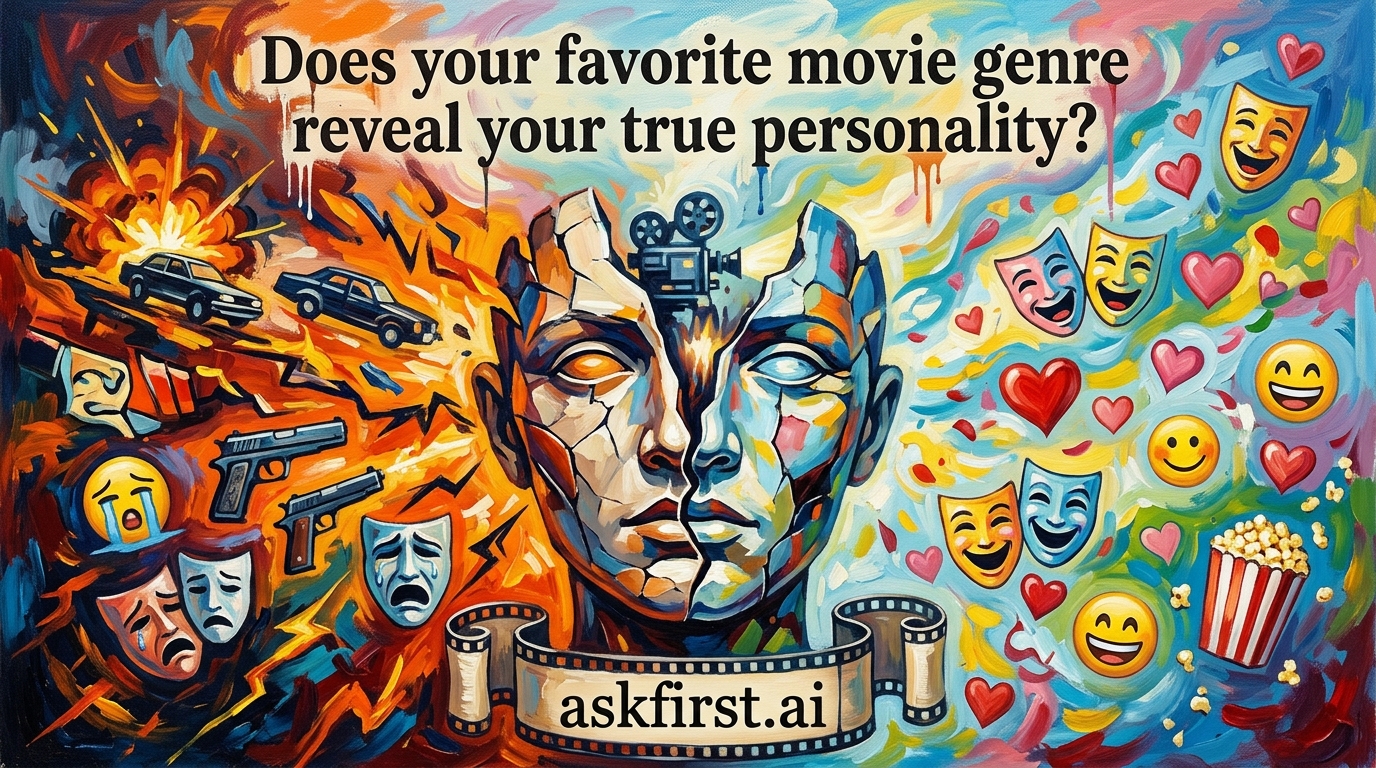
For decades, psychologists and media theorists have examined the relationship between aesthetic consumption and personality traits. The cinematic experiences people gravitate toward are rarely accidental; rather, they serve as psychological mirrors reflecting individual needs, cognitive styles, and emotional regulation strategies. Research into the 'Big Five' personality traits—Openness, Conscientiousness, Extraversion, Agreeableness, and Neuroticism—suggests that movie genre preferences provide a unique window into the internal architecture of the human mind.
The Science of Genre Preference
The Openness Factor: Sci-Fi and Fantasy
Individuals who score high in 'Openness to Experience' generally seek stimulation, complexity, and abstract ideas. These viewers are less interested in conventional narratives and more drawn to world-building and hypothetical scenarios found in Science Fiction and Fantasy. The mental effort required to navigate alien societies or magic systems acts as a cognitive reward for the highly inquisitive mind. Studies published in the Journal of Media Psychology indicate that high openness correlates with a tolerance for ambiguity, allowing these viewers to appreciate films that defy traditional tropes.
The Empathy Connection: Drama and Romance
Those who demonstrate higher levels of Agreeableness often gravitate toward character-driven Dramas and Romances. The primary appeal here is 'parasocial empathy'—the ability to experience and understand the emotional turmoil of fictional characters. By engaging with these narratives, individuals practice emotional intelligence in a low-stakes environment. This genre choice suggests a preference for social harmony, relational understanding, and a focus on the nuances of the human condition.
The Sensation Seeking Link: Action and Thrillers
Action and Thriller enthusiasts often display higher levels of extraversion and a specific form of sensation seeking. These films utilize sensory bombardment, pacing, and physiological tension to activate the body’s 'fight or flight' response in a controlled setting. This phenomenon, known as 'arousal modulation,' helps individuals who have a high baseline need for stimulation. Whether it is the high-speed chases of an action film or the pulse-pounding mystery of a thriller, the viewer is essentially regulating their internal dopamine levels through external stimuli.
Psychological Mechanisms: Why We Choose
- Mood Management Theory: This concept posits that humans choose entertainment to optimize their emotional state. If an individual is feeling lethargic, they might seek high-energy films. If they feel overstimulated, they may seek the predictability and comfort of lighthearted comedies. This suggests that genre preference is not just a static personality marker, but a dynamic tool for self-regulation.
- Cognitive Schemas: Every film genre acts as a blueprint for interpreting the world. A Mystery fan may inherently be more skeptical and observant, as their consumption habits reward identifying patterns and hidden clues. Conversely, a Documentary fan might prioritize 'truth-seeking' and factual knowledge, reflecting a personality that values utility and logical organization.
Common Myths Busted
There is a common misconception that enjoying dark or cynical content indicates a darker personality. On the contrary, research suggests that viewers who enjoy 'darker' genres (such as Neo-Noir) often do so to process the complexities of existence rather than to endorse negative themes. The act of viewing these films is a form of 'safe exposure,' allowing viewers to confront existential questions without facing real-world consequences. This indicates a high level of resilience and intellectual courage rather than a negative personality trait.
Does Genre Predict Behavior?
While movie preferences are a reliable indicator of personality tendencies, it is vital to remember that correlation does not equal causation. Watching a horror movie does not make one 'fearful,' nor does watching a comedy make one 'optimistic.' Instead, personality dictates the genre preference, which in turn satisfies specific psychological appetites. By identifying the types of stories one finds most compelling, a person can gain significant insight into their own needs—whether that is a need for order, a hunger for adventure, or a search for deep emotional connection.
Conclusion: The Narrative Mirror
Ultimately, the films one chooses are chapters in an ongoing story about their own internal world. Whether one prefers the logic of a detective thriller or the sprawling imagination of an epic fantasy, these choices reflect a sophisticated system of personal values and cognitive habits. By recognizing the psychological drivers behind genre preference, one can become a more conscious participant in their own entertainment choices, understanding that every time a film begins, the viewer is not just observing a screen—they are participating in a reflection of their own unique identity.