The Psychology of Vulnerability and Connection
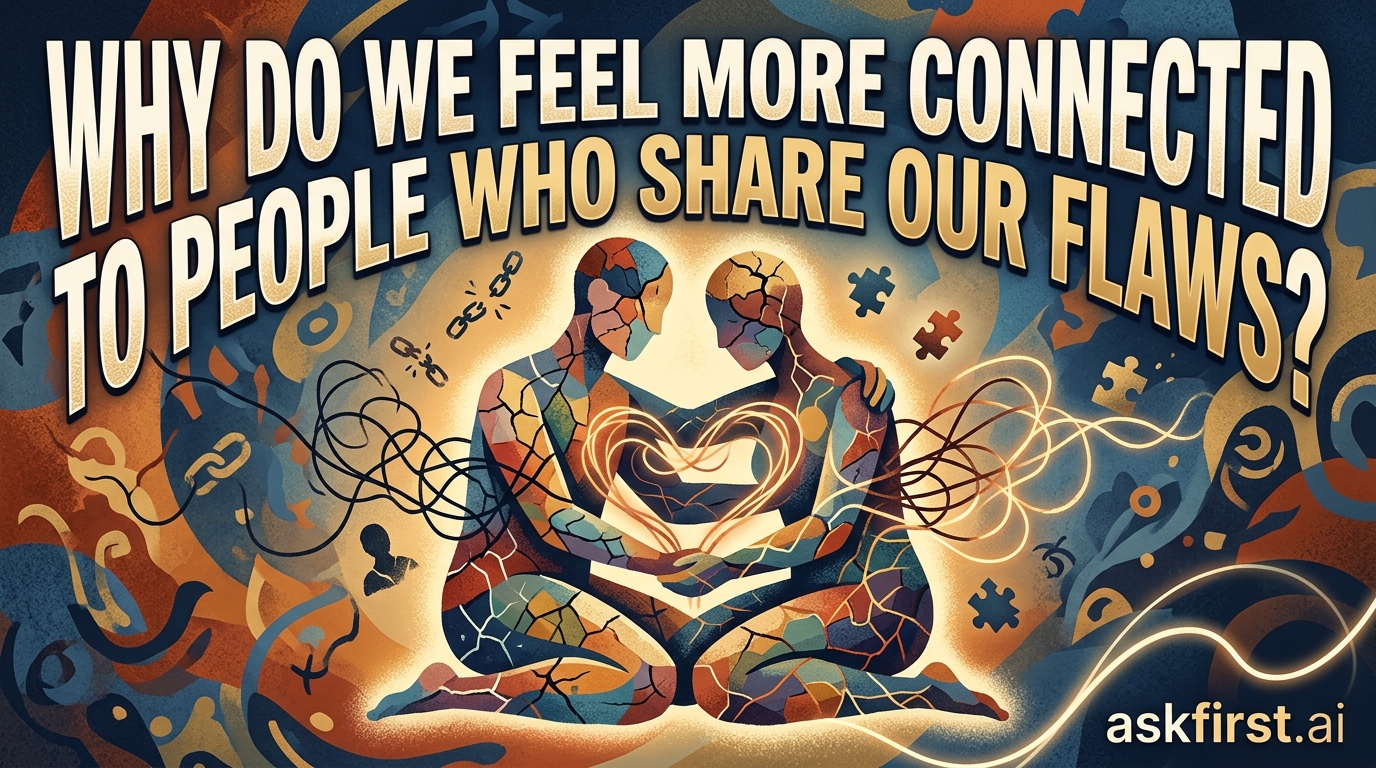
Human connection is fundamentally built upon the bridge of shared experience. While it is natural to feel drawn toward individuals who display perfection, competence, or success, the deepest levels of rapport and empathy are often forged through the acknowledgment of shared flaws. This phenomenon, rooted in social psychology, is often referred to as the 'Pratfall Effect' and the power of perceived vulnerability. When someone exposes a flaw, it signals authenticity and safety, allowing others to lower their psychological defenses.
The Pratfall Effect: Why Mistakes Make Us Likable
Proposed by psychologist Elliot Aronson in 1966, the Pratfall Effect posits that people who are perceived as competent become more likable when they make a blunder. Conversely, people who are perceived as average do not necessarily become more likable after a mistake. The key takeaway is that flaws humanize those who appear untouchable. When an individual displays a weakness, it creates a 'vulnerability loop'—an environment where others feel empowered to stop performing, stop masking their own imperfections, and start connecting as genuine, multifaceted beings.
Breaking the Mirror of Perfection
In an age of curated digital personas, we are often bombarded with images of 'perfect' lives. This creates a psychological distance. When we encounter someone who shares our specific flaw—be it procrastination, social anxiety, or a tendency toward over-apologizing—we experience a phenomenon called social validation. It provides a comforting realization: 'I am not alone.' This validation acts as a massive relief to the nervous system, reducing the cognitive load of self-monitoring. We no longer need to exert energy maintaining a polished image, which creates an immediate, subconscious bond of trust with the other party.
Biological Mechanisms of Empathy
Shared flaws serve as an unspoken social contract of 'equality.' From an evolutionary perspective, cooperation was essential for survival. By acknowledging our own fallibility, we demonstrate that we are not threats. Research in neuroscience suggests that the mirror neuron system is activated not only when we witness someone succeeding, but also when we see them experiencing difficulties similar to our own. This creates a shared neural state of empathetic resonance. The brain registers the shared flaw as a sign of safety, signaling to the amygdala that it is safe to trust this individual, as they operate from a similar 'template' of the human condition.
Strategic Authenticity vs. Over-sharing
It is essential to distinguish between healthy vulnerability and emotional dumping. True connection through flaws does not require broadcasting every insecurity to the world. Instead, it involves strategic authenticity. This means:
- Relatability over Perfection: Admitting to a minor mistake or a common struggle.
- Boundaries: Maintaining professional or personal integrity while acknowledging human limitations.
- Reciprocity: Opening up about a flaw to encourage the other person to feel comfortable expressing their true self.
When we reveal our flaws, we are essentially inviting the other person into our 'inner circle' of reality. By stripping away the ego's desire to appear perfect, we create a vacuum that is inevitably filled by trust and mutual respect. This is the bedrock of long-lasting friendships, successful partnerships, and effective leadership.
Conclusion: The Gift of Imperfection
Ultimately, flaws are not barriers to connection; they are the cracks through which the light of genuine personality shines. We feel more connected to those who share our flaws because they validate our existence, confirm our normalcy, and lower the stakes of social interaction. The person who embraces their humanity—flaws and all—is far more magnetic than the one who hides behind a veneer of invincibility. By leaning into our imperfections, we paradoxically become more attractive, more trustworthy, and infinitely more human. Embracing these commonalities is not just a psychological trick; it is the most honest way to engage with the world.