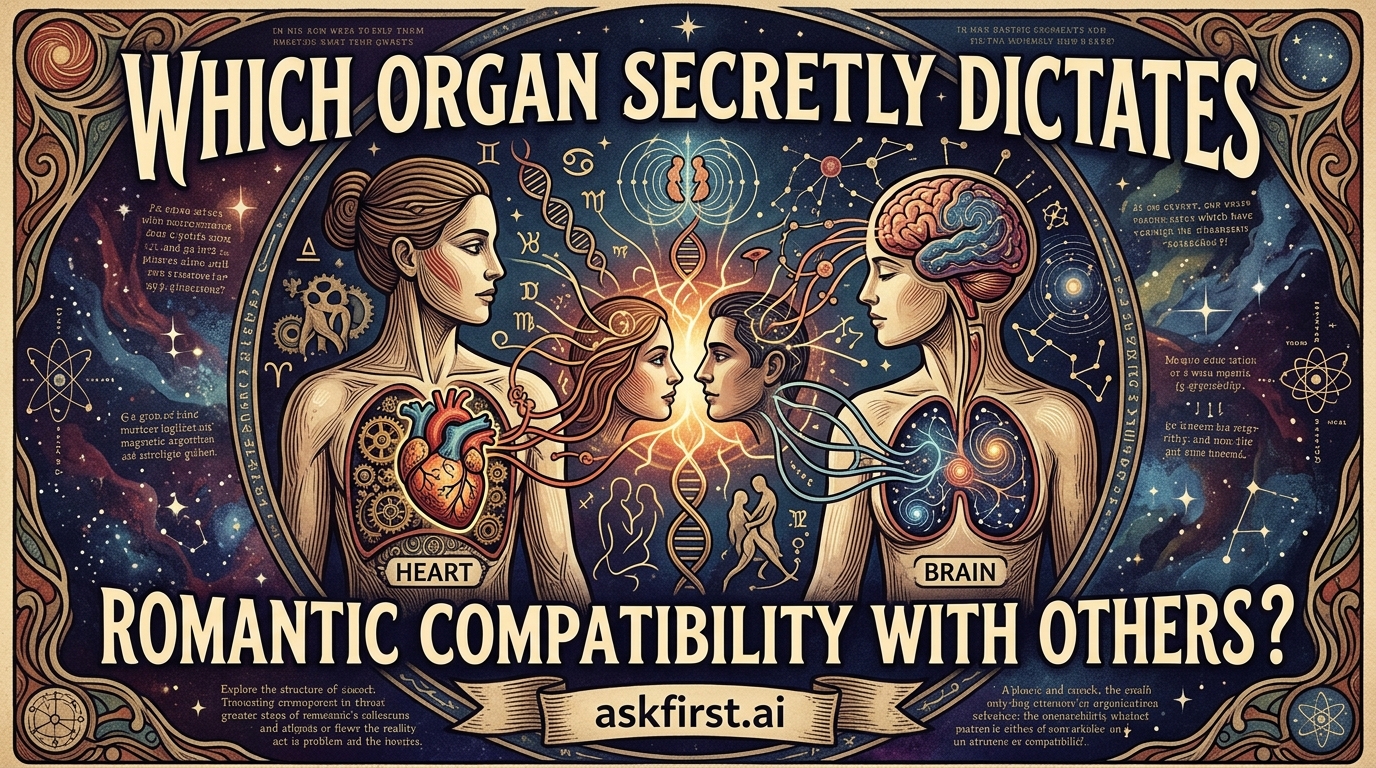
The Invisible Chemist: Your Immune System's Role in Romance
When people consider romantic compatibility, they often look toward shared hobbies, political alignment, or emotional intelligence. Yet, beneath the surface of conscious decision-making, a far more ancient and biological mechanism is at play. The organ secretly dictating your romantic preferences is not the heart, but the immune system, specifically through the Major Histocompatibility Complex (MHC).
The MHC: A Molecular Identity Card
The Major Histocompatibility Complex is a set of genes that code for cell surface proteins, which help the immune system recognize foreign substances. Essentially, the MHC serves as an identity card for the body's cells. While humans have evolved to seek partners, evolutionary biology suggests a profound advantage in choosing a mate with an MHC profile that is distinct from one's own.
- Genetic Diversity: By choosing a partner with different MHC genes, offspring gain a broader spectrum of immune responses. This diversity protects the next generation from a wider range of pathogens.
- The Smell of Attraction: Research, most famously exemplified by the "sweaty T-shirt study" conducted by Dr. Claus Wedekind, suggests that humans use scent to detect these genetic markers. Participants consistently rated the odors of shirts worn by individuals with different MHC genes as more pleasant and attractive.
The Science of Olfactory Cues
How do we 'smell' genes? It is not about the strength of a perfume, but the subtle chemical signatures metabolized by the skin. The body produces volatile organic compounds that reflect our MHC makeup. When we encounter these pheromone-like signals, our brain processes the information in the hypothalamus—a region intimately linked to instinctual behaviors and the limbic system, which controls emotional responses.
- Subconscious Selection: This process occurs beneath the threshold of conscious thought. A person might believe they are falling for someone because of their wit or appearance, while their limbic system is simultaneously reacting to a favorable immune-compatible scent profile.
- The Complementary Advantage: The biological drive to seek a 'complementary' immune system acts as a natural safeguard against inbreeding and increases the survival probability of the species.
Busting Myths: Is Compatibility Only Chemical?
It is vital to distinguish between biological attraction and long-term relational compatibility. While the MHC governs the spark and initial chemical draw, human relationships are complex, multidimensional structures.
- The Role of Context: Modern life, with the introduction of artificial scents, contraceptive pills, and high-density social living, can mask these ancient olfactory cues.
- Psychological Alignment: Once the initial biological attraction occurs, the neocortex takes over. Shared values, cognitive synergy, and communication styles become the pillars that sustain a partnership.
- Hormonal Interference: Studies have indicated that hormonal contraceptives may alter a person's olfactory preferences, potentially shifting their attraction toward individuals with more similar MHC profiles. This does not necessarily equate to 'bad' compatibility, but it highlights the fluidity of our internal biological sensors.
Why This Matters for the Future
Understanding the role of the MHC provides a fascinating window into human nature. It reminds us that attraction is not merely a subjective experience or a cultural construct; it is a sophisticated biological function designed by millions of years of evolutionary refinement.
- Biological Wisdom: We are hardwired to seek health and vitality in our partners, and our bodies have developed a sophisticated chemical radar system to ensure this occurs.
- Nature Meets Nurture: By acknowledging this biological input, one can better appreciate the balance between our 'animal' instincts and our 'human' consciousness.
In conclusion, while the heart is the poetic center of romance, the immune system acts as the silent, vigilant conductor. It assesses compatibility long before the first word is exchanged, whispering instructions to the brain about who might be the most evolutionarily advantageous match. Recognizing this allows for a deeper appreciation of the complexity involved in human intimacy, blending the mysterious chemistry of the body with the deliberate choices of the mind.