The Eternal Sweetness: Why Honey Defies Decay
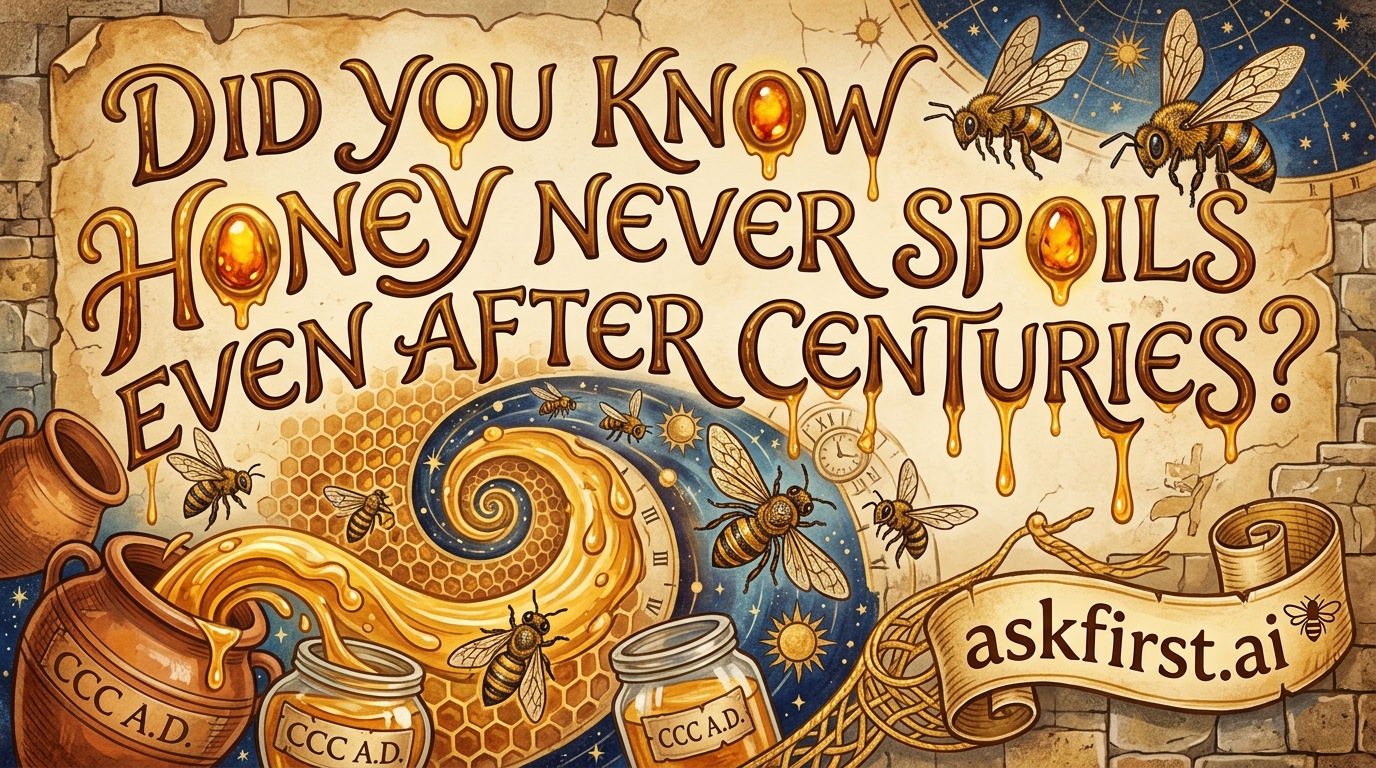
Honey, the golden nectar produced by honeybees, possesses an extraordinary chemical composition that allows it to remain edible for thousands of years. Archaeological discoveries have frequently unearthed pots of honey in ancient Egyptian tombs, some dating back over 3,000 years, that remain perfectly preserved. This phenomenon is not magic, but a masterclass in biological and chemical engineering developed by nature.
The Chemical Trifecta of Preservation
The secret to honey’s immortality lies in three primary pillars: low water content, high acidity, and the presence of hydrogen peroxide.
- Hygroscopic Properties: Honey is naturally hygroscopic, meaning it contains very little water in its natural state. Its high sugar concentration creates an environment where water activity is minimal. Bacteria and microorganisms require water to flourish; since honey leeches water molecules out of these microbes, they essentially dehydrate and die before they can cause spoilage.
- Acidity Levels: Honey has a pH level ranging from 3.2 to 4.5. This relatively high acidity is hostile to most bacteria and pathogenic organisms. Pathogens that might otherwise thrive in neutral environments find honey to be a biological fortress they cannot penetrate.
- Hydrogen Peroxide Production: During the process of turning nectar into honey, bees add an enzyme called glucose oxidase to the nectar. When the nectar is converted into honey, this enzyme breaks down, creating hydrogen peroxide as a byproduct. This serves as a powerful antimicrobial agent, effectively sanitizing the honey against potential invaders.
The Role of Bees and Nectar Processing
Bees play an instrumental role in ensuring this long shelf life. Through the rapid beating of their wings, bees fan the nectar inside the hive. This process evaporates excess water, reducing the moisture content from approximately 70% to under 18%. Once the water content drops below 18%, the honey reaches a stable state where it is virtually immune to fermentation and bacterial growth.
Understanding Crystallization: The Myth of Spoilage
Many consumers mistakenly believe that honey has 'spoiled' when it becomes cloudy, grainy, or solid in the jar. This is known as crystallization, and it is a natural, physical process—not a sign of expiration.
Crystallization occurs because honey is a supersaturated solution of two primary sugars: glucose and fructose. Over time, the glucose particles begin to clump together. Variables such as the type of flower the bees visited, storage temperature, and the amount of pollen present can influence how quickly honey crystallizes. If a jar of honey crystallizes, it remains perfectly safe to eat. The texture can be restored to a liquid state by gently heating the jar in a warm water bath.
Storage Best Practices
While honey is technically eternal, its quality can degrade if exposed to improper conditions. To preserve the flavor profile and nutritional integrity, consider the following guidelines:
- Keep it Airtight: Honey is hygroscopic, meaning it will absorb moisture from the air if left open. Excess moisture can lower the sugar concentration, potentially allowing yeast to grow, which causes fermentation.
- Maintain Temperature: Store honey at room temperature. Extreme heat can lead to the degradation of natural enzymes and darker colors, while cold storage significantly accelerates the crystallization process.
- Avoid Metal Containers: Due to its acidity, honey can react with certain metals, which may leach into the substance. Glass containers are the gold standard for long-term storage.
Why Honey is More Than Just Sugar
Beyond its durability, honey has been utilized throughout human history for its therapeutic properties. Ancient cultures employed honey as a wound dressing, citing its ability to create a protective barrier and combat localized infection. Today, science supports these historical claims, confirming that certain honeys, such as Manuka honey, possess significant antibacterial activity due to methylglyoxal (MGO).
Conclusion
Honey serves as a testament to the efficiency of the natural world. By balancing sugar, acidity, and enzymes, bees create a food source that transcends the limitations of time. Whether found in a modern pantry or an ancient ruin, the enduring nature of honey remains one of the most fascinating examples of preservation in the natural kingdom. So, the next time a jar of honey sits on a shelf for years, remember that it is not failing to expire—it is merely fulfilling its destiny as nature’s original, eternal superfood.