The Paradox of Joyful Tears: Understanding the Psychology
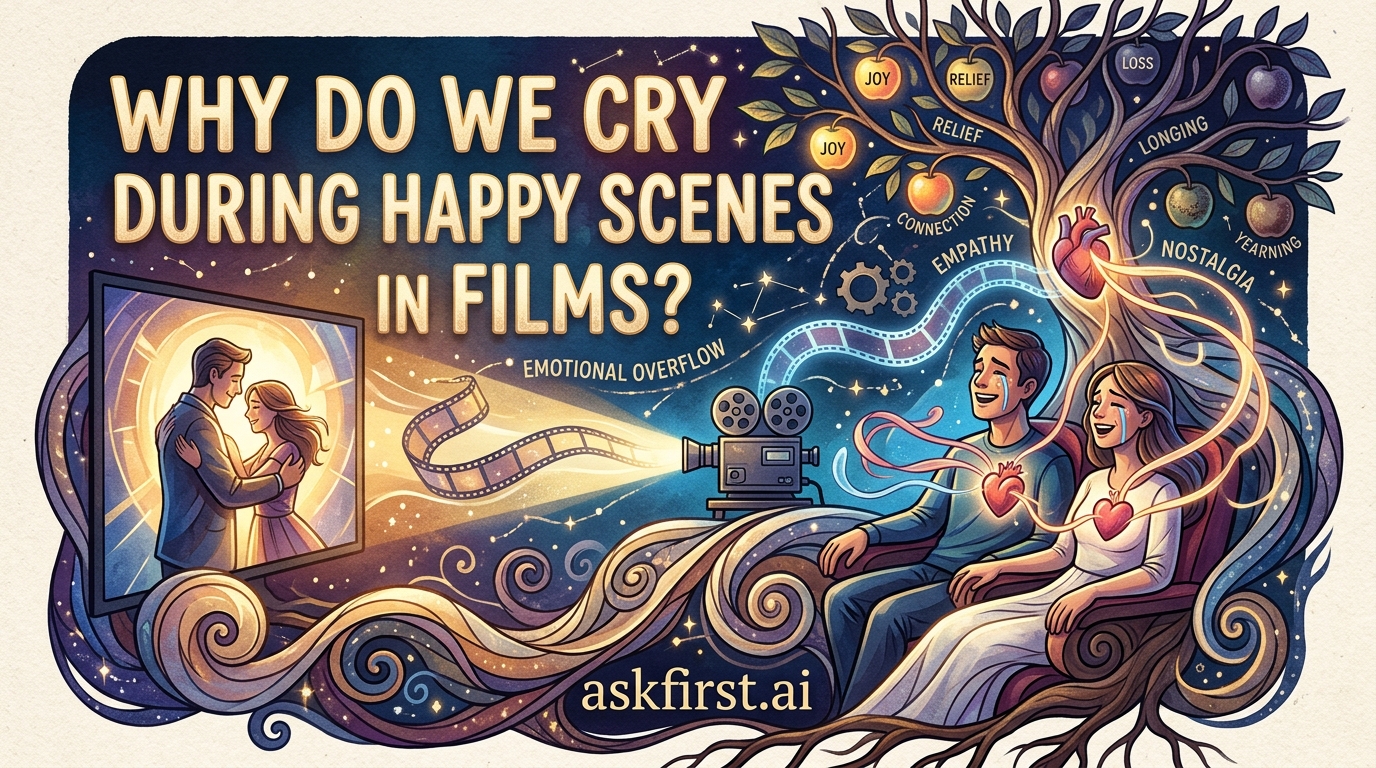
It is one of life’s most fascinating human experiences: sitting in a darkened theater or on a cozy sofa, watching a character finally achieve their dream, and finding oneself weeping uncontrollably. While crying is traditionally associated with sadness, frustration, or physical pain, the phenomenon of 'happy tears' highlights the intricate and often contradictory nature of human emotional regulation. Scientists define this as dimorphous expression—a situation where an individual displays a reaction that seems polar opposite to the internal emotion being felt.
The Biological Mechanism: Why Does This Happen?
At the core of this behavior lies the autonomic nervous system. When a person experiences a powerful positive emotion—such as overwhelming joy, relief, or a sense of profound beauty—the intensity can trigger a physiological "overload." Because the brain struggles to differentiate between high-intensity positive stimuli and high-intensity negative stimuli when they reach a certain threshold, it activates the lacrimal system. Tears, in this sense, act as a safety valve. They are a physical release mechanism that helps the body return to a state of equilibrium after being pushed to an extreme emotional peak.
Psychological Explanations: The Theory of Emotional Regulation
Psychologists suggest that crying during happy scenes serves several complex functions:
- Maintaining Balance: Intense emotions require a significant amount of neurological and physical energy. The act of crying helps dampen the intensity of the experience, preventing the individual from becoming "locked" in a state of overwhelming stimulation.
- Social Bonding and Signaling: From an evolutionary standpoint, crying serves as an honest signal. It tells those around us that we are experiencing something profound. Even in a fictional film context, our mirror neurons fire, connecting our emotional state to the screen and reinforcing the feeling of community with the audience.
- Appreciating the Journey: Often, the happiness shown in films follows a period of struggle. The tears represent not just the joy of the outcome, but the recognition of the difficulty of the path taken. It is an expression of gratitude or relief that the struggle has concluded.
The Role of Oxytocin and Empathy
When witnessing a touching scene, the brain releases oxytocin, often referred to as the 'bonding hormone.' This chemical promotes feelings of trust, connection, and empathy. As levels of oxytocin rise during moving cinematic moments, the physiological response can translate into a physical manifestation of emotion, such as a lump in the throat or the production of tears. Empathy plays a crucial role; we are essentially living the emotional journey of the character on screen. When the character finds success, our own brains celebrate that success, sometimes to the point of a somatic, tearful response.
Cultural and Evolutionary Perspectives
Beyond mere biology, culture plays a significant role in how we express emotion. While some cultures value stoicism, the act of weeping during a performance—whether a play, a symphony, or a film—is generally accepted as a sign of high emotional intelligence and sensitivity. It demonstrates that the viewer is "in tune" with the narrative. In many ways, the ability to shed tears of joy is a sign of psychological health. It indicates that the individual has not been desensitized by the world and remains capable of deep, empathetic engagement with the human experience.
Distinguishing Between Types of Crying
Not all tears are created equal. Biochemist William Frey II famously discovered that emotional tears contain higher levels of protein-based hormones like adrenocorticotropic hormone (ACTH) and prolactin compared to tears caused by irritants (like chopping onions). These hormones are associated with stress relief. While happy tears share a similar chemical composition to sad tears, the context dictates the purpose. If sad tears are a plea for comfort or help, happy tears are a celebration of overflow—a realization that the intensity of the moment is simply too vast to be contained by a smile alone.
Conclusion
Crying during a happy scene is far from an error in our biological programming. It is a testament to the sophistication of the human brain, which is wired to process beauty, relief, and joy with the same physiological intensity as life-altering challenges. By allowing ourselves to weep when we feel profound happiness, we engage in a vital process of emotional maintenance, proving that our hearts and minds are deeply connected in a beautiful, messy, and entirely human way.