The Psychology of Parasocial Connection
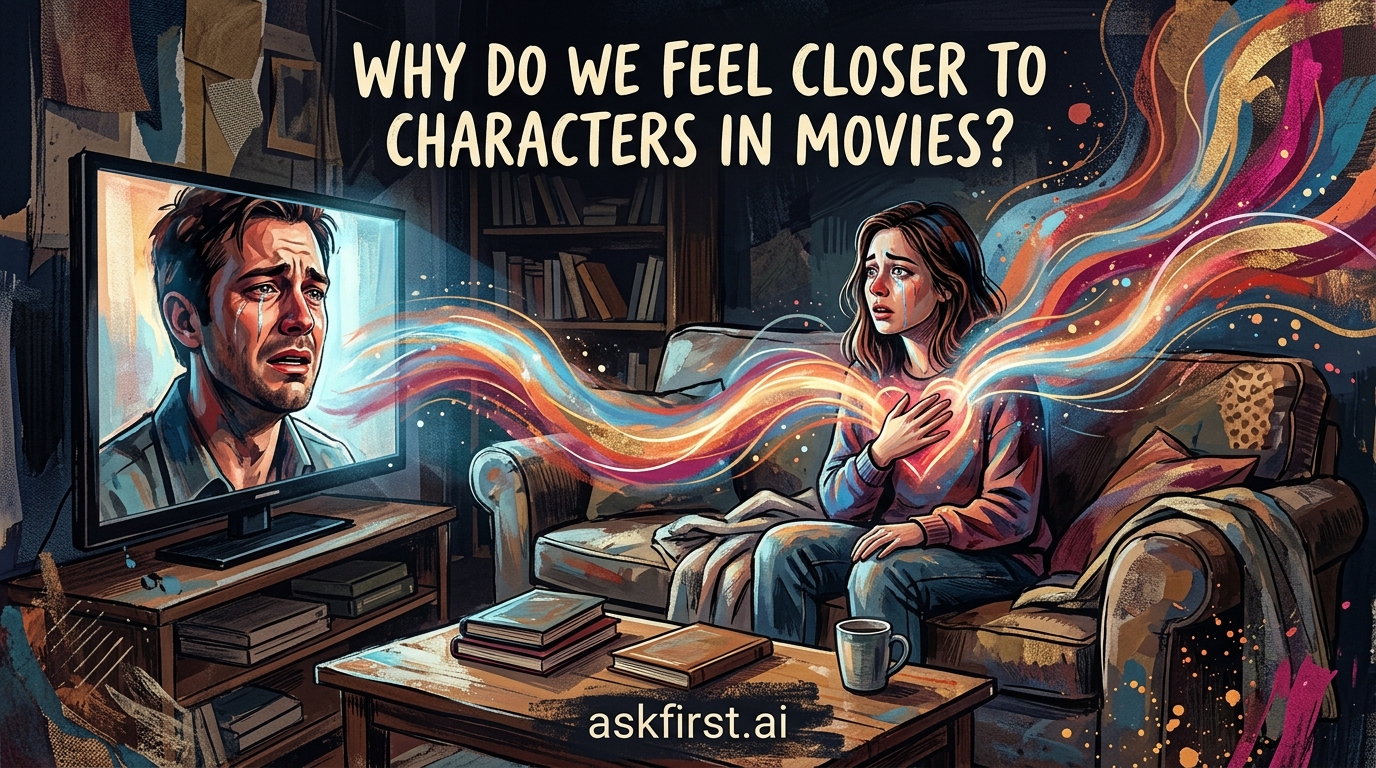
Human beings are social creatures hardwired for connection. When watching a film, the brain does not always distinguish between a real person and a compelling character. This phenomenon, known as parasocial interaction, describes one-sided relationships where audience members extend emotional energy, interest, and time toward media personas. Despite the lack of reciprocal interaction, the emotional intensity experienced is often indistinguishable from real-life social bonds.
The Neurobiology of Empathy
At the core of this connection lies the mirror neuron system. These specialized neurons fire both when an individual performs an action and when they observe someone else performing the same action. When a character on screen cries, triumphs, or experiences fear, the observer's brain simulates those same states. This neural mirroring creates a visceral sense of empathy, allowing the audience to literally feel the character's journey.
- Emotional Contagion: The subconscious mimicry of facial expressions and body language leads to the adoption of the character's emotional state.
- Neural Coupling: Studies in neurocinematics have shown that during engaging scenes, the brains of viewers synchronize with one another and with the film, creating a shared neurological experience.
Why Fictional Bonds Can Feel 'Real'
The perceived intimacy with characters often stems from the way movies bypass the social defenses used in everyday life. In reality, human interactions are fraught with uncertainty, social anxiety, and the risk of rejection. Conversely, fictional characters exist in a safe, controlled environment where the viewer is essentially a voyeur with no risk. This security allows for a deeper level of emotional investment without the fear of judgment or vulnerability.
The Role of Narrative Transportation
Psychologists define narrative transportation as the state where a viewer becomes so absorbed in a story that they are mentally transported out of their actual physical surroundings. Once transported, the viewer's critical thinking faculties are temporarily suspended, and their cognitive resources are entirely devoted to the story world. In this state, the 'self' blurs with the 'character,' leading to a strong sense of personal identification.
- Character Relatability: When a character possesses traits that mirror the viewer's own values or insecurities, the connection deepens through self-reflection.
- Wish Fulfillment: Often, audiences attach themselves to characters who embody traits they admire or wish they possessed, such as bravery, intelligence, or humor.
Cultural and Evolutionary Roots
Anthropologically, storytelling has served as a primary tool for survival and social cohesion for thousands of years. Before modern cinema, communities gathered around fires to hear legends. These stories taught survival strategies and reinforced social norms. Today, movies function as the digital campfire, and the characters are the archetypes of our collective culture. We feel close to these characters because they hold a mirror to our own human experience.
The Illusion of Depth
Unlike real people, whom we may never fully understand, characters in high-quality films are often presented with internal monologues or actions that reveal their deepest motivations. This omniscience—the ability to see a character's hidden thoughts and quiet moments—creates a feeling of intimacy that is rarely achieved in real-world relationships. We feel closer to a character because, in a ninety-minute runtime, we often witness more raw truth about them than we do about our own neighbors over the course of a year.
Conclusion
Our emotional attachment to cinema characters is not a sign of loneliness or social deficiency, but rather a testament to the sophistication of the human brain's social cognition. We feel close to characters because the machinery of the human mind is designed to seek out human-like patterns, invest in them, and derive meaning from their arcs. Through the magic of storytelling, we are allowed to live a thousand lives, expanding our own perspectives through the experiences of others, even when those others are merely pixels on a screen.