The Psychology of Parasocial Loss
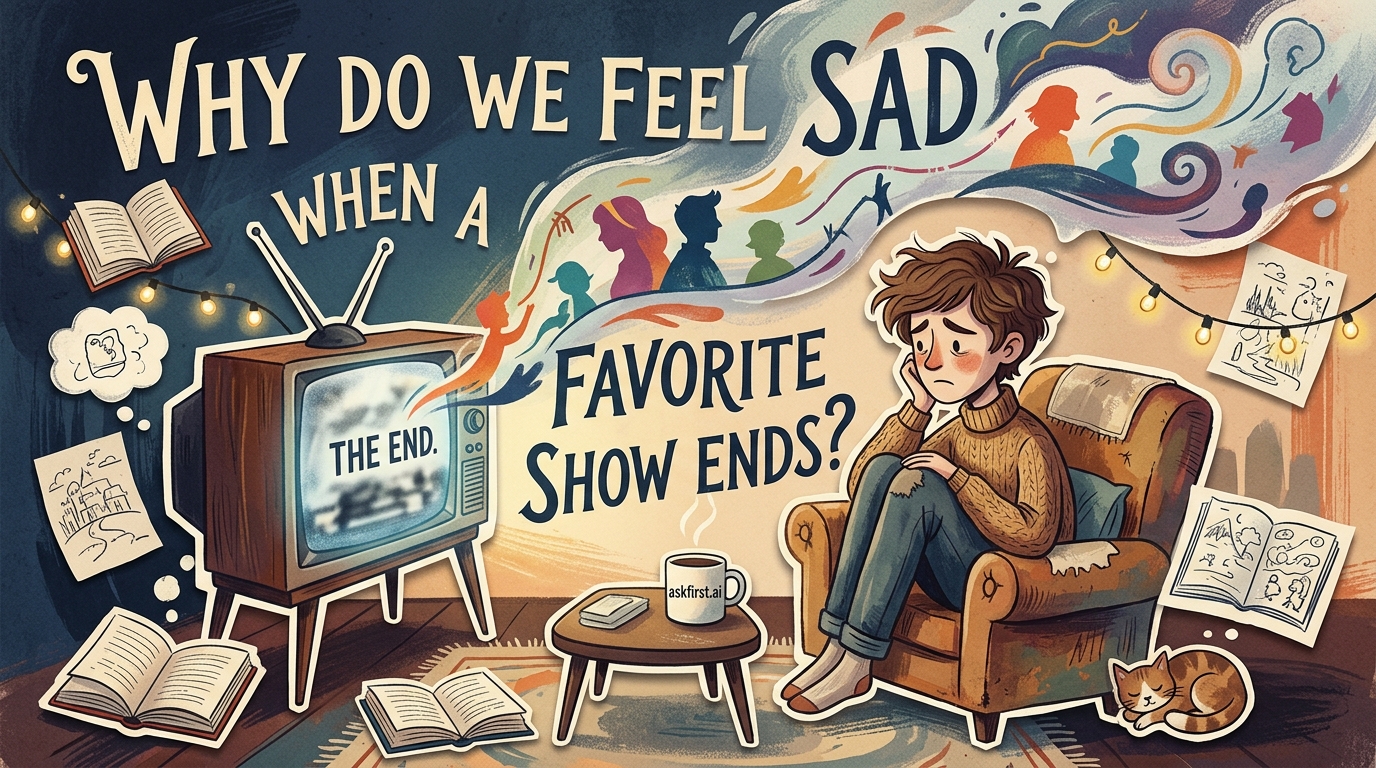
When a beloved television series concludes, the resulting emotional void is often referred to as 'Post-Series Depression'. While this term is informal, the psychological mechanisms behind it are grounded in complex human behaviors. Humans are inherently social creatures, evolved to thrive through connection. When engaging with a long-running series, the brain does not always distinguish between real-world relationships and the fictional personas presented on screen. This phenomenon is known as a parasocial interaction.
The Parasocial Bond Defined
Parasocial relationships are one-sided emotional attachments where one party extends emotional energy, interest, and time, while the other party—the character—is completely unaware of the other's existence. Over several seasons, viewers watch characters grow, suffer, succeed, and evolve. This process mimics the biological trajectory of real-life friendship development. As viewers spend hundreds of hours observing these characters, the brain's mirror neuron system activates, allowing individuals to 'feel' the emotions of the characters they watch. This emotional investment creates a genuine sense of intimacy. When the show ends, that regular, reliable source of social stimulation vanishes, triggering a response similar to the grief experienced after losing a real acquaintance.
Why the Brain Resists 'The End'
- The Routine Disruption: Human brains are wired for pattern recognition and habit formation. A favorite show often functions as a 'comfort anchor' in a person's daily life. Losing this routine creates a cognitive dissonance where the brain must adjust to a new, unfamiliar schedule.
- The Dopamine Cycle: Each episode acts as a 'reward' stimulus. The anticipation and subsequent consumption of the show release dopamine, a neurotransmitter associated with pleasure and motivation. Abruptly stopping this flow can lead to feelings of lethargy or restlessness.
- Narrative Closure and Identity: Many viewers use the narratives of television shows to navigate their own life challenges. If a viewer identifies strongly with a character's arc, that character becomes an extension of the viewer's own self-concept. The end of the show feels like an end to a chapter of the viewer’s own life journey.
Cognitive Framing of Narrative Worlds
Researchers often point to the 'Transportation Theory', which suggests that when a viewer is completely absorbed in a narrative, they are mentally transported into the story world. In this state, the viewer’s focus is diverted from the stresses of daily life, providing a safe harbor for emotional expression. The sadness felt at the conclusion is essentially a manifestation of being evicted from a place that offered safety, excitement, and companionship. It is not merely about the plot concluding; it is about the loss of a sanctuary that existed outside the viewer's immediate reality.
Mitigating the Emotional Impact
Understanding the biological basis of this sadness can help mitigate its effects. Experts suggest several strategies for managing the conclusion of a favorite series:
- Symbolic Replacement: Engaging with the creative community surrounding the show—such as reading fan-written analyses or participating in forums—can extend the social feeling of the experience.
- Narrative Reframing: Viewing the conclusion as a complete work of art rather than a loss can shift the focus from 'absence' to 'appreciation'.
- Active Engagement: Transitioning from passive consumption to creative activity, like discussing theories with friends or exploring the source material of the show, helps integrate the experience into one's own memories.
Evolutionary Significance of Storytelling
From an evolutionary perspective, storytelling was essential for the survival of the human species. Myths, legends, and epics allowed ancestors to model complex social scenarios, learn about dangers, and understand human morality without having to experience every consequence firsthand. Therefore, the emotional intensity we feel toward characters is actually a vestige of a deeply adaptive trait. We are evolutionarily designed to become invested in the people, real or imagined, that populate our social environment. Even though we know, logically, that these characters are constructs, the emotional centers of our brains treat their journeys with the gravitas of actual life events.
Ultimately, feeling sad when a show ends is a testament to the power of human imagination and empathy. It proves that the human capacity to connect transcends the boundaries of the physical world. Rather than viewing this sadness as a negative experience, it can be viewed as evidence of a healthy, functioning, and highly empathetic mind that finds genuine meaning in the stories we tell.